

72
N. Bairagi and S. K. Bhuyan
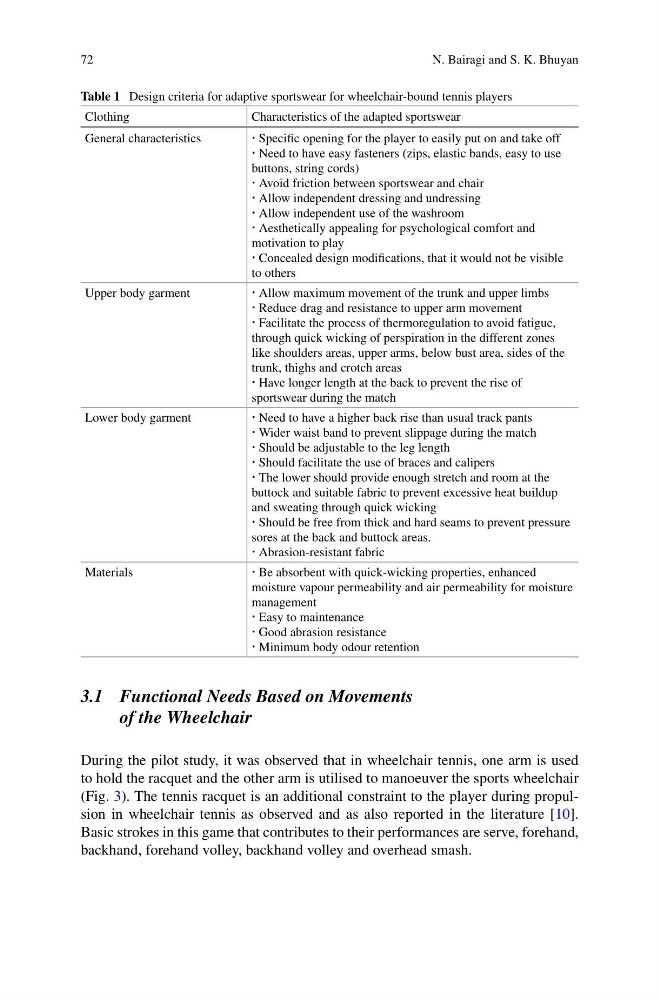
Table 1 Design criteria for adaptive sportswear for wheelchair-bound tennis players
Clothing
Characteristics of the adapted sportswear
General characteristics
Specific opening for the player to easily put on and take off
Need to have easy fasteners (zips, elastic bands, easy to use
buttons, string cords)
Avoid friction between sportswear and chair
Allow independent dressing and undressing
Allow independent use of the washroom
Aesthetically appealing for psychological comfort and
motivation to play
Concealed design modifications, that it would not be visible
to others
Upper body garment
Allow maximum movement of the trunk and upper limbs
Reduce drag and resistance to upper arm movement
Facilitate the process of thermoregulation to avoid fatigue,
through quick wicking of perspiration in the different zones
like shoulders areas, upper arms, below bust area, sides of the
trunk, thighs and crotch areas
Have longer length at the back to prevent the rise of
sportswear during the match
Lower body garment
Need to have a higher back rise than usual track pants
Wider waist band to prevent slippage during the match
Should be adjustable to the leg length
Should facilitate the use of braces and calipers
The lower should provide enough stretch and room at the
buttock and suitable fabric to prevent excessive heat buildup
and sweating through quick wicking
Should be free from thick and hard seams to prevent pressure
sores at the back and buttock areas.
Abrasion-resistant fabric
Materials
Be absorbent with quick-wicking properties, enhanced
moisture vapour permeability and air permeability for moisture
management
Easy to maintenance
Good abrasion resistance
Minimum body odour retention
3.1 Functional Needs Based on Movements
of the Wheelchair
During the pilot study, it was observed that in wheelchair tennis, one arm is used
to hold the racquet and the other arm is utilised to manoeuver the sports wheelchair
(Fig. 3). The tennis racquet is an additional constraint to the player during propulsion in wheelchair tennis as observed and as also reported in the literature [10].
Basic strokes in this game that contributes to their performances are serve, forehand,
backhand, forehand volley, backhand volley and overhead smash.
N. Bairagi and S. K. Bhuyan
Table 1 Design criteria for adaptive sportswear for wheelchair-bound tennis players
Clothing
Characteristics of the adapted sportswear
General characteristics
Specific opening for the player to easily put on and take off
Need to have easy fasteners (zips, elastic bands, easy to use
buttons, string cords)
Avoid friction between sportswear and chair
Allow independent dressing and undressing
Allow independent use of the washroom
Aesthetically appealing for psychological comfort and
motivation to play
Concealed design modifications, that it would not be visible
to others
Upper body garment
Allow maximum movement of the trunk and upper limbs
Reduce drag and resistance to upper arm movement
Facilitate the process of thermoregulation to avoid fatigue,
through quick wicking of perspiration in the different zones
like shoulders areas, upper arms, below bust area, sides of the
trunk, thighs and crotch areas
Have longer length at the back to prevent the rise of
sportswear during the match
Lower body garment
Need to have a higher back rise than usual track pants
Wider waist band to prevent slippage during the match
Should be adjustable to the leg length
Should facilitate the use of braces and calipers
The lower should provide enough stretch and room at the
buttock and suitable fabric to prevent excessive heat buildup
and sweating through quick wicking
Should be free from thick and hard seams to prevent pressure
sores at the back and buttock areas.
Abrasion-resistant fabric
Materials
Be absorbent with quick-wicking properties, enhanced
moisture vapour permeability and air permeability for moisture
management
Easy to maintenance
Good abrasion resistance
Minimum body odour retention
3.1 Functional Needs Based on Movements
of the Wheelchair
During the pilot study, it was observed that in wheelchair tennis, one arm is used
to hold the racquet and the other arm is utilised to manoeuver the sports wheelchair
(Fig. 3). The tennis racquet is an additional constraint to the player during propulsion in wheelchair tennis as observed and as also reported in the literature [10].
Basic strokes in this game that contributes to their performances are serve, forehand,
backhand, forehand volley, backhand volley and overhead smash.