

182
M. Sharan and S. Haldar
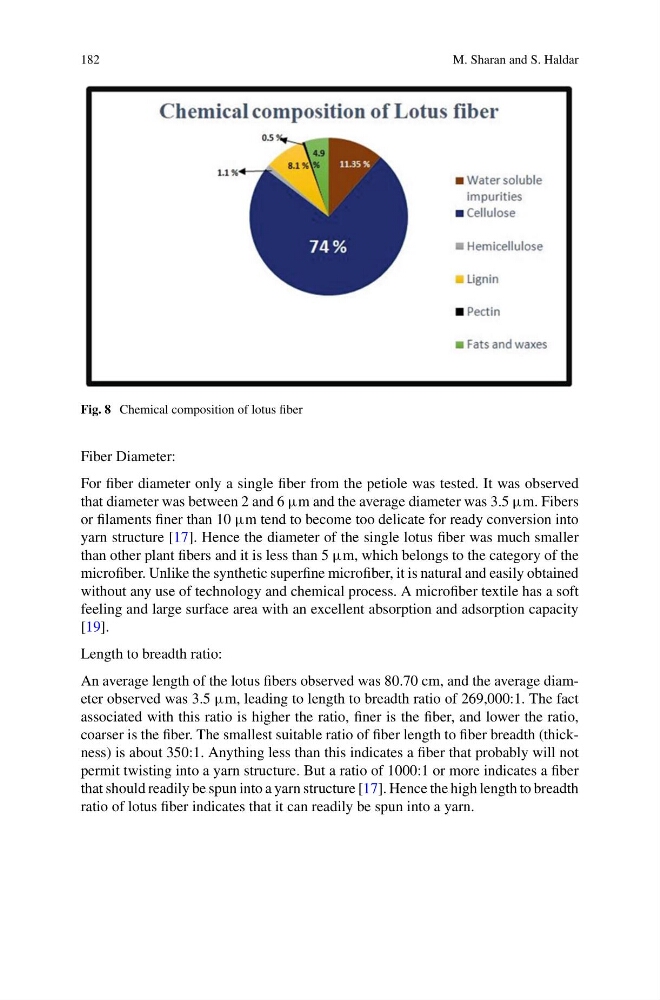
Fig. 8 Chemical composition of lotus fiber
Fiber Diameter:
For fiber diameter only a single fiber from the petiole was tested. It was observed
that diameter was between 2 and 6 µm and the average diameter was 3.5 µm. Fibers
or filaments finer than 10 µm tend to become too delicate for ready conversion into
yarn structure [17]. Hence the diameter of the single lotus fiber was much smaller
than other plant fibers and it is less than 5 µm, which belongs to the category of the
microfiber. Unlike the synthetic superfine microfiber, it is natural and easily obtained
without any use of technology and chemical process. A microfiber textile has a soft
feeling and large surface area with an excellent absorption and adsorption capacity
[19].
Length to breadth ratio:
An average length of the lotus fibers observed was 80.70 cm, and the average diameter observed was 3.5 µm, leading to length to breadth ratio of 269,000:1. The fact
associated with this ratio is higher the ratio, finer is the fiber, and lower the ratio,
coarser is the fiber. The smallest suitable ratio of fiber length to fiber breadth (thickness) is about 350:1. Anything less than this indicates a fiber that probably will not
permit twisting into a yarn structure. But a ratio of 1000:1 or more indicates a fiber
that should readily be spun into a yarn structure [17]. Hence the high length to breadth
ratio of lotus fiber indicates that it can readily be spun into a yarn.
M. Sharan and S. Haldar
Fig. 8 Chemical composition of lotus fiber
Fiber Diameter:
For fiber diameter only a single fiber from the petiole was tested. It was observed
that diameter was between 2 and 6 µm and the average diameter was 3.5 µm. Fibers
or filaments finer than 10 µm tend to become too delicate for ready conversion into
yarn structure [17]. Hence the diameter of the single lotus fiber was much smaller
than other plant fibers and it is less than 5 µm, which belongs to the category of the
microfiber. Unlike the synthetic superfine microfiber, it is natural and easily obtained
without any use of technology and chemical process. A microfiber textile has a soft
feeling and large surface area with an excellent absorption and adsorption capacity
[19].
Length to breadth ratio:
An average length of the lotus fibers observed was 80.70 cm, and the average diameter observed was 3.5 µm, leading to length to breadth ratio of 269,000:1. The fact
associated with this ratio is higher the ratio, finer is the fiber, and lower the ratio,
coarser is the fiber. The smallest suitable ratio of fiber length to fiber breadth (thickness) is about 350:1. Anything less than this indicates a fiber that probably will not
permit twisting into a yarn structure. But a ratio of 1000:1 or more indicates a fiber
that should readily be spun into a yarn structure [17]. Hence the high length to breadth
ratio of lotus fiber indicates that it can readily be spun into a yarn.