

knowledge that is not available from other sources because their knowledge is
developed through experience using technological change to treat patients. This
knowledge, both in relation to the entity where it is generated and to the interactions
among other entities, can impact a firm’s future service innovations.
Users have an intimate knowledge of how a product or a service performs in
practice (experience), when confronted with the challenges that arise in use, more
specifically involving technological change and clinical experience. This may raise
issues not envisioned by the technology developers (co-definition), and in turn
suggest improvements (co-development), and potential new solutions
(co-elevation). We will argue that the service innovation process involving users,
namely co-creation of service (Fitzsimmons & Fitzsimmons, 2007) follows two
distinct stages: firstly, co-experience and co-definition, secondly co-development
and possibly co-elevation, as portrayed in Fig. 6
17 :
Different incentives and organizational routines characterize the heterogeneity of
agents involved in the clinical system. For instance, while firms technologically
innovate to maximize their profits, medical users may value prestige and patient care
as important incentives to clinically innovate. The model supports this variation of
incentives as an explaining factor of the existence of the initial phase of
co-experience/co-definition. This phase represents the convergence of different
incentives through mutual understanding and collaborative efforts: for instance,
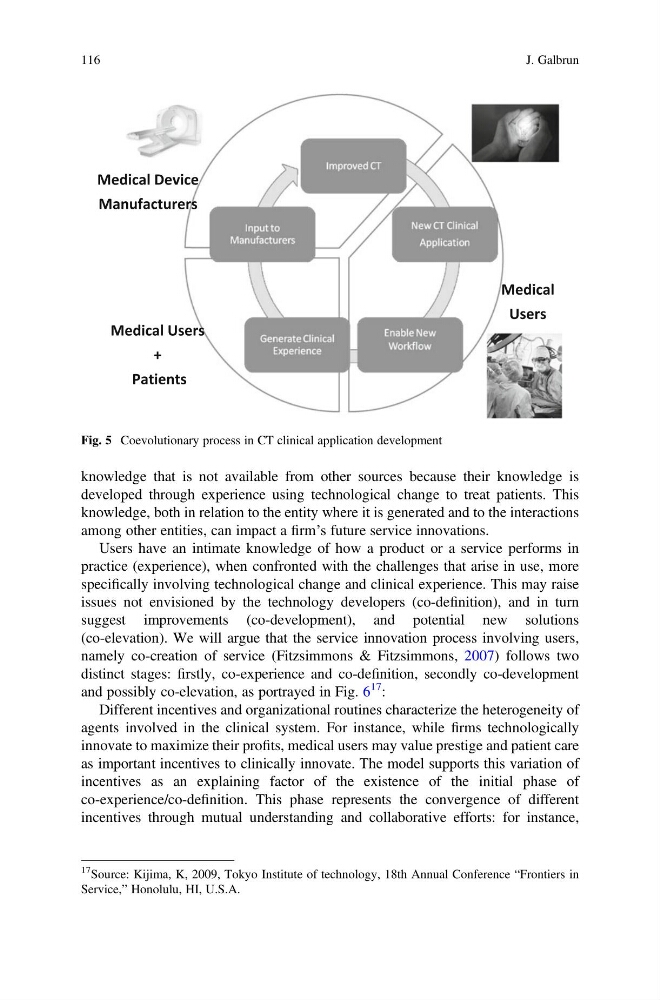
Fig. 5 Coevolutionary process in CT clinical application development
17 Source: Kijima, K, 2009, Tokyo Institute of technology, 18th Annual Conference “Frontiers in
Service,” Honolulu, HI, U.S.A.
116
J. Galbrun
developed through experience using technological change to treat patients. This
knowledge, both in relation to the entity where it is generated and to the interactions
among other entities, can impact a firm’s future service innovations.
Users have an intimate knowledge of how a product or a service performs in
practice (experience), when confronted with the challenges that arise in use, more
specifically involving technological change and clinical experience. This may raise
issues not envisioned by the technology developers (co-definition), and in turn
suggest improvements (co-development), and potential new solutions
(co-elevation). We will argue that the service innovation process involving users,
namely co-creation of service (Fitzsimmons & Fitzsimmons, 2007) follows two
distinct stages: firstly, co-experience and co-definition, secondly co-development
and possibly co-elevation, as portrayed in Fig. 6
17 :
Different incentives and organizational routines characterize the heterogeneity of
agents involved in the clinical system. For instance, while firms technologically
innovate to maximize their profits, medical users may value prestige and patient care
as important incentives to clinically innovate. The model supports this variation of
incentives as an explaining factor of the existence of the initial phase of
co-experience/co-definition. This phase represents the convergence of different
incentives through mutual understanding and collaborative efforts: for instance,
Fig. 5 Coevolutionary process in CT clinical application development
17 Source: Kijima, K, 2009, Tokyo Institute of technology, 18th Annual Conference “Frontiers in
Service,” Honolulu, HI, U.S.A.
116
J. Galbrun