

4.3 Nutrient Removal/Recovery from Wastewater
113
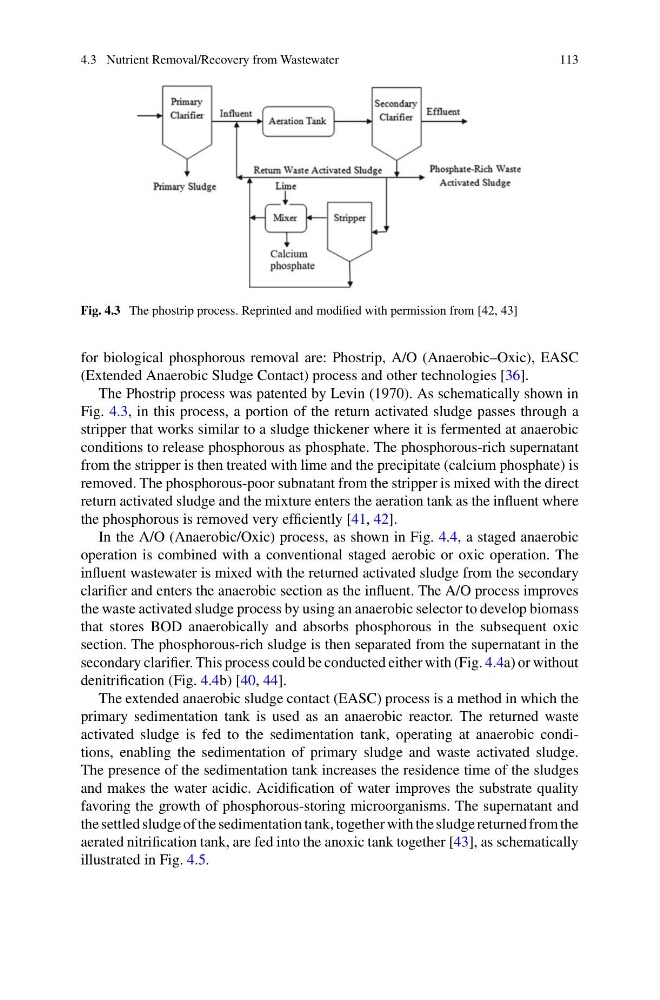
Fig. 4.3 The phostrip process. Reprinted and modified with permission from [42, 43]
for biological phosphorous removal are: Phostrip, A/O (Anaerobic–Oxic), EASC
(Extended Anaerobic Sludge Contact) process and other technologies [36].
The Phostrip process was patented by Levin (1970). As schematically shown in
Fig. 4.3, in this process, a portion of the return activated sludge passes through a
stripper that works similar to a sludge thickener where it is fermented at anaerobic
conditions to release phosphorous as phosphate. The phosphorous-rich supernatant
from the stripper is then treated with lime and the precipitate (calcium phosphate) is
removed. The phosphorous-poor subnatant from the stripper is mixed with the direct
return activated sludge and the mixture enters the aeration tank as the influent where
the phosphorous is removed very efficiently [41, 42].
In the A/O (Anaerobic/Oxic) process, as shown in Fig. 4.4, a staged anaerobic
operation is combined with a conventional staged aerobic or oxic operation. The
influent wastewater is mixed with the returned activated sludge from the secondary
clarifier and enters the anaerobic section as the influent. The A/O process improves
the waste activated sludge process by using an anaerobic selector to develop biomass
that stores BOD anaerobically and absorbs phosphorous in the subsequent oxic
section. The phosphorous-rich sludge is then separated from the supernatant in the
secondary clarifier. This process could be conducted either with (Fig. 4.4a) or without
denitrification (Fig. 4.4b) [40, 44].
The extended anaerobic sludge contact (EASC) process is a method in which the
primary sedimentation tank is used as an anaerobic reactor. The returned waste
activated sludge is fed to the sedimentation tank, operating at anaerobic conditions, enabling the sedimentation of primary sludge and waste activated sludge.
The presence of the sedimentation tank increases the residence time of the sludges
and makes the water acidic. Acidification of water improves the substrate quality
favoring the growth of phosphorous-storing microorganisms. The supernatant and
the settled sludge of the sedimentation tank, together with the sludge returned from the
aerated nitrification tank, are fed into the anoxic tank together [43], as schematically
illustrated in Fig. 4.5.
113
Fig. 4.3 The phostrip process. Reprinted and modified with permission from [42, 43]
for biological phosphorous removal are: Phostrip, A/O (Anaerobic–Oxic), EASC
(Extended Anaerobic Sludge Contact) process and other technologies [36].
The Phostrip process was patented by Levin (1970). As schematically shown in
Fig. 4.3, in this process, a portion of the return activated sludge passes through a
stripper that works similar to a sludge thickener where it is fermented at anaerobic
conditions to release phosphorous as phosphate. The phosphorous-rich supernatant
from the stripper is then treated with lime and the precipitate (calcium phosphate) is
removed. The phosphorous-poor subnatant from the stripper is mixed with the direct
return activated sludge and the mixture enters the aeration tank as the influent where
the phosphorous is removed very efficiently [41, 42].
In the A/O (Anaerobic/Oxic) process, as shown in Fig. 4.4, a staged anaerobic
operation is combined with a conventional staged aerobic or oxic operation. The
influent wastewater is mixed with the returned activated sludge from the secondary
clarifier and enters the anaerobic section as the influent. The A/O process improves
the waste activated sludge process by using an anaerobic selector to develop biomass
that stores BOD anaerobically and absorbs phosphorous in the subsequent oxic
section. The phosphorous-rich sludge is then separated from the supernatant in the
secondary clarifier. This process could be conducted either with (Fig. 4.4a) or without
denitrification (Fig. 4.4b) [40, 44].
The extended anaerobic sludge contact (EASC) process is a method in which the
primary sedimentation tank is used as an anaerobic reactor. The returned waste
activated sludge is fed to the sedimentation tank, operating at anaerobic conditions, enabling the sedimentation of primary sludge and waste activated sludge.
The presence of the sedimentation tank increases the residence time of the sludges
and makes the water acidic. Acidification of water improves the substrate quality
favoring the growth of phosphorous-storing microorganisms. The supernatant and
the settled sludge of the sedimentation tank, together with the sludge returned from the
aerated nitrification tank, are fed into the anoxic tank together [43], as schematically
illustrated in Fig. 4.5.