

duction of a plethora of metabolites, and it set
the ground for the development of synthetic
biology tools for baker’s yeast. While genome
sequencing of yet uncharacterized yeast species
is easy and rather cheap today, baker’s yeast
has a lead in the availability of tools over other
yeasts and is therefore (still) the preferred
eukaryotic platform for synthetic biology applications (Chen et al. 2018; Besada-Lombana
et al. 2018).
In the following, we describe the current
industrial use of yeasts for production of chemicals and heterologous proteins, with a focus
on the major industrial products and current
developments that may change bioproduction
of building blocks for chemical industry in the
near future.
II. Yeasts for Production of Primary
Metabolites
Primary metabolites play an important role in
the central metabolism and are directly
involved in the growth and reproduction of a
living cell. Through the pathways of the central
carbon metabolism, organisms convert organic
nutrients into metabolites that contribute to
energy generation for biosynthesis or serve as
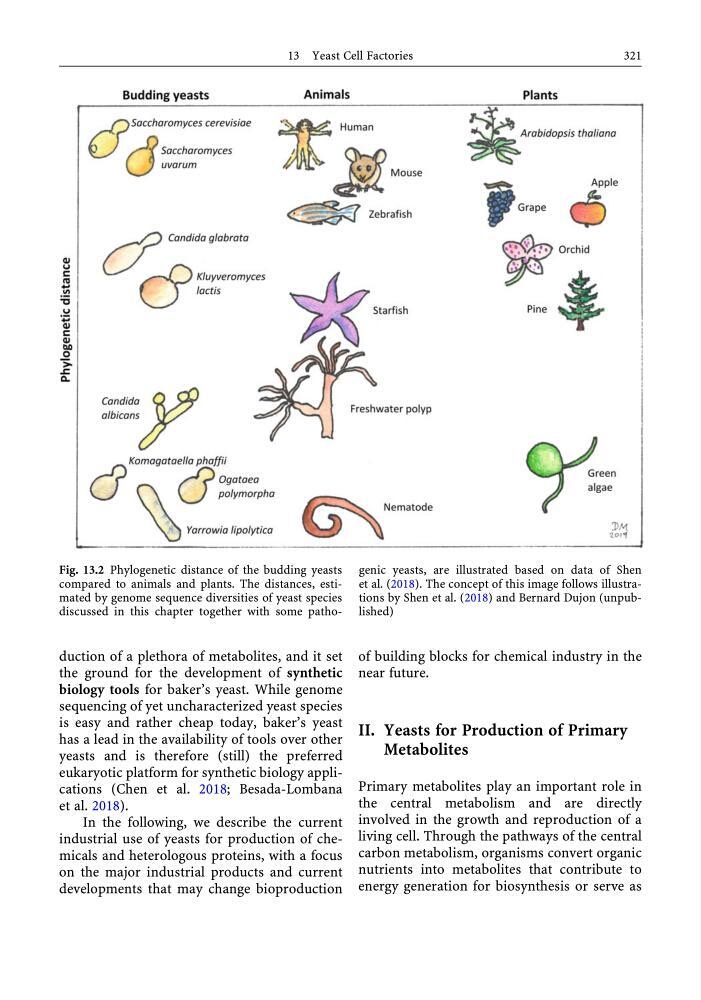
Fig. 13.2 Phylogenetic distance of the budding yeasts
compared to animals and plants. The distances, estimated by genome sequence diversities of yeast species
discussed in this chapter together with some pathogenic yeasts, are illustrated based on data of Shen
et al. (2018). The concept of this image follows illustrations by Shen et al. (2018) and Bernard Dujon (unpublished)
13 Yeast Cell Factories
321
the ground for the development of synthetic
biology tools for baker’s yeast. While genome
sequencing of yet uncharacterized yeast species
is easy and rather cheap today, baker’s yeast
has a lead in the availability of tools over other
yeasts and is therefore (still) the preferred
eukaryotic platform for synthetic biology applications (Chen et al. 2018; Besada-Lombana
et al. 2018).
In the following, we describe the current
industrial use of yeasts for production of chemicals and heterologous proteins, with a focus
on the major industrial products and current
developments that may change bioproduction
of building blocks for chemical industry in the
near future.
II. Yeasts for Production of Primary
Metabolites
Primary metabolites play an important role in
the central metabolism and are directly
involved in the growth and reproduction of a
living cell. Through the pathways of the central
carbon metabolism, organisms convert organic
nutrients into metabolites that contribute to
energy generation for biosynthesis or serve as
Fig. 13.2 Phylogenetic distance of the budding yeasts
compared to animals and plants. The distances, estimated by genome sequence diversities of yeast species
discussed in this chapter together with some pathogenic yeasts, are illustrated based on data of Shen
et al. (2018). The concept of this image follows illustrations by Shen et al. (2018) and Bernard Dujon (unpublished)
13 Yeast Cell Factories
321