

(Bentley 2014). In fungi, gene-expression cassettes have typically employed terminators
derived from tef1 and trpC from Aspergilli,
and it appears that terminators can be functionally transferred from one fungal species
or genera to another. For example, A. nidulans
tef1 and trpC terminators have successfully
been used in various Aspergilli (Nødvig et al.
2015) and T. atroroseus (Nielsen et al. 2017),
while the terminators of T. reesei cbhII and pdc
were applied in A. niger (Blumhoff et al. 2013)
and the basidiomycete Ganoderma lucidum
(Qin et al. 2017), respectively. Since functionality is often conserved during heterologous
application of terminators, an alternative
approach for gene expression uses the GOI
and its natural terminator directly as a functional unit for assembly of the gene-expression
cassette (Gressler et al. 2015; Li et al. 2018).
We note that no thorough comparative
analyses of the impact of terminators on the
overall protein production have been performed for filamentous fungi despite the prominent roles of terminators in the RNA life-cycle.
However, in other expression systems, e.g., in
yeasts, the choice of terminator has been
demonstrated to significantly influence production yields (Curran et al. 2013; Morse et al.
2017), and it may therefore be useful to assemble expression cassettes with terminator variants if production yields are suboptimal. To
this end, we also note that small functional
synthetic terminator bio-blocks have been
developed for S. cerevisiae to facilitate geneexpression cassette assembly and control of
production yields (Curran et al. 2015).
E. Protein Tags and Linkers
In many cases, it is desirable to expand the
sequence of a protein with additional
sequences encoding domains that provide new
properties to the protein to facilitate its secretion, purification, or visibility (Table 10.3).
These new domains often need to be attached
b
-Dox
+Dox
P 1
tTA2 s
T 1
tTA2 s
a
+Dox
-Dox
rtTA2 s -M2
rtTA2 s -M2
T 1
Expression
tTA2 s
tTA2 s
tetO7 P core
T 2
GOI
No expression
tetO7 P core
T 2
GOI
Dox
rtTA2 s -M2
No expression
rtTA2 s -M2
Expression
tetO7 P core
T 2
GOI
tetO7 P core
T 2
GOI
Dox
P 1
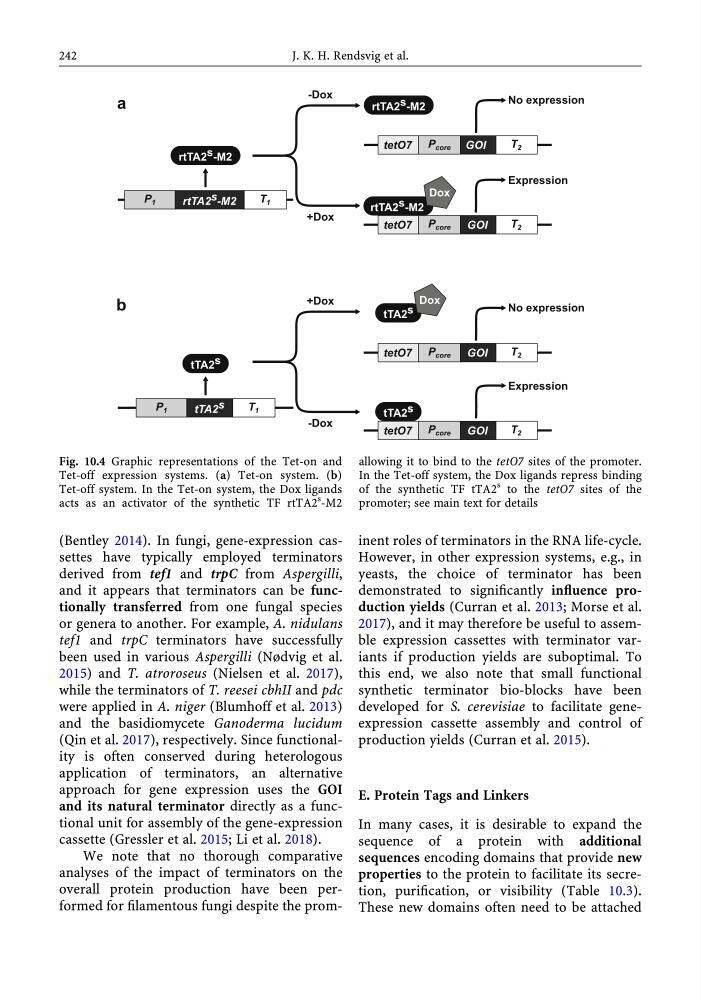
Fig. 10.4 Graphic representations of the Tet-on and
Tet-off expression systems. (a) Tet-on system. (b)
Tet-off system. In the Tet-on system, the Dox ligands
acts as an activator of the synthetic TF rtTA2
s -M2
allowing it to bind to the tetO7 sites of the promoter.
In the Tet-off system, the Dox ligands repress binding
of the synthetic TF tTA2
s to the tetO7 sites of the
promoter; see main text for details
242
J. K. H. Rendsvig et al.
derived from tef1 and trpC from Aspergilli,
and it appears that terminators can be functionally transferred from one fungal species
or genera to another. For example, A. nidulans
tef1 and trpC terminators have successfully
been used in various Aspergilli (Nødvig et al.
2015) and T. atroroseus (Nielsen et al. 2017),
while the terminators of T. reesei cbhII and pdc
were applied in A. niger (Blumhoff et al. 2013)
and the basidiomycete Ganoderma lucidum
(Qin et al. 2017), respectively. Since functionality is often conserved during heterologous
application of terminators, an alternative
approach for gene expression uses the GOI
and its natural terminator directly as a functional unit for assembly of the gene-expression
cassette (Gressler et al. 2015; Li et al. 2018).
We note that no thorough comparative
analyses of the impact of terminators on the
overall protein production have been performed for filamentous fungi despite the prominent roles of terminators in the RNA life-cycle.
However, in other expression systems, e.g., in
yeasts, the choice of terminator has been
demonstrated to significantly influence production yields (Curran et al. 2013; Morse et al.
2017), and it may therefore be useful to assemble expression cassettes with terminator variants if production yields are suboptimal. To
this end, we also note that small functional
synthetic terminator bio-blocks have been
developed for S. cerevisiae to facilitate geneexpression cassette assembly and control of
production yields (Curran et al. 2015).
E. Protein Tags and Linkers
In many cases, it is desirable to expand the
sequence of a protein with additional
sequences encoding domains that provide new
properties to the protein to facilitate its secretion, purification, or visibility (Table 10.3).
These new domains often need to be attached
b
-Dox
+Dox
P 1
tTA2 s
T 1
tTA2 s
a
+Dox
-Dox
rtTA2 s -M2
rtTA2 s -M2
T 1
Expression
tTA2 s
tTA2 s
tetO7 P core
T 2
GOI
No expression
tetO7 P core
T 2
GOI
Dox
rtTA2 s -M2
No expression
rtTA2 s -M2
Expression
tetO7 P core
T 2
GOI
tetO7 P core
T 2
GOI
Dox
P 1
Fig. 10.4 Graphic representations of the Tet-on and
Tet-off expression systems. (a) Tet-on system. (b)
Tet-off system. In the Tet-on system, the Dox ligands
acts as an activator of the synthetic TF rtTA2
s -M2
allowing it to bind to the tetO7 sites of the promoter.
In the Tet-off system, the Dox ligands repress binding
of the synthetic TF tTA2
s to the tetO7 sites of the
promoter; see main text for details
242
J. K. H. Rendsvig et al.