

ent names depending on their function and
features (Table 5.1), are bound to an Argonaute
(Ago) protein that uses one strand of these
sRNAs to guide selective destruction, translational repression, or transcriptional suppression of target RNAs. Fungi, as plants and
nematodes, present an additional RNAdependent RNA polymerase (RdRP) protein
that generates dsRNA from single-strand RNA
(ssRNA) acting as inducers or amplifiers of
sRNA signals (Torres-Martı ´nez and Ruiz-Va ´zquez 2017). Genes coding for the key RNAi
components are present in the genomes of
most fungi, except for some relevant examples,
such as Cryptococcus deuterogattii (Feretzaki
et al. 2016), some species of the phylum Microsporidia and subphylum Ustilaginomycotina,
and those of the subphylum Saccharomycotina
and the class Wallemiomycetes (Choi et al.
2014; Nakayashiki et al. 2006; Laurie et al.
2008). Besides the core RNAi components, several accessories proteins with secondary functions have been described (Table 5.2). The high
number of fungi that may have a functional
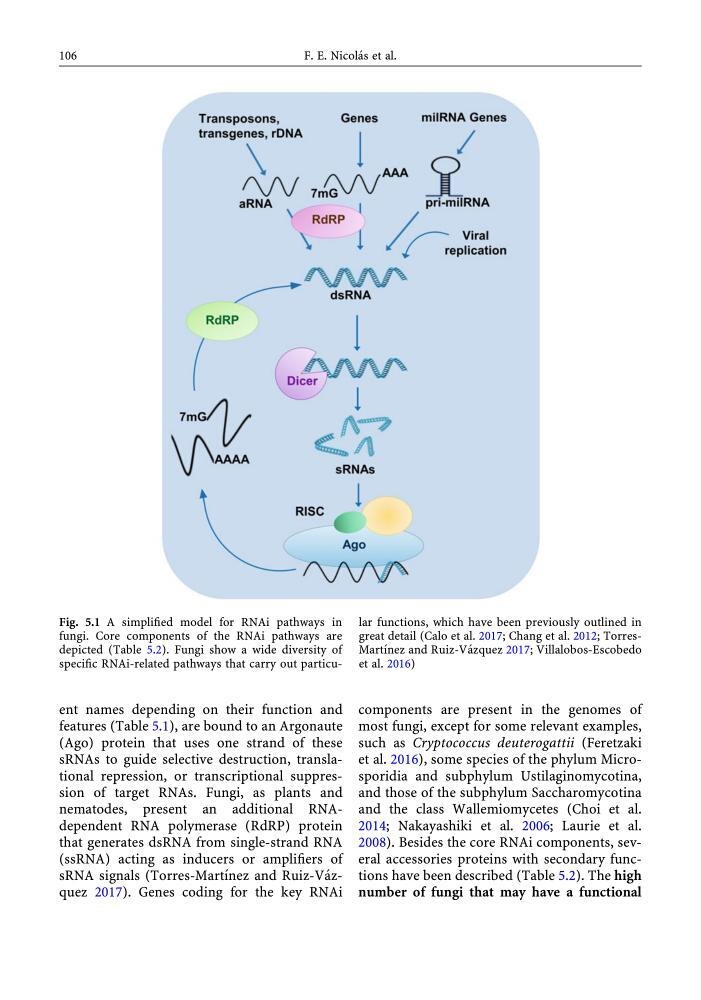
Fig. 5.1 A simplified model for RNAi pathways in
fungi. Core components of the RNAi pathways are
depicted (Table 5.2). Fungi show a wide diversity of
specific RNAi-related pathways that carry out particular functions, which have been previously outlined in
great detail (Calo et al. 2017; Chang et al. 2012; TorresMartı ´nez and Ruiz-Va ´zquez 2017; Villalobos-Escobedo
et al. 2016)
106
F. E. Nicola ´s et al.
features (Table 5.1), are bound to an Argonaute
(Ago) protein that uses one strand of these
sRNAs to guide selective destruction, translational repression, or transcriptional suppression of target RNAs. Fungi, as plants and
nematodes, present an additional RNAdependent RNA polymerase (RdRP) protein
that generates dsRNA from single-strand RNA
(ssRNA) acting as inducers or amplifiers of
sRNA signals (Torres-Martı ´nez and Ruiz-Va ´zquez 2017). Genes coding for the key RNAi
components are present in the genomes of
most fungi, except for some relevant examples,
such as Cryptococcus deuterogattii (Feretzaki
et al. 2016), some species of the phylum Microsporidia and subphylum Ustilaginomycotina,
and those of the subphylum Saccharomycotina
and the class Wallemiomycetes (Choi et al.
2014; Nakayashiki et al. 2006; Laurie et al.
2008). Besides the core RNAi components, several accessories proteins with secondary functions have been described (Table 5.2). The high
number of fungi that may have a functional
Fig. 5.1 A simplified model for RNAi pathways in
fungi. Core components of the RNAi pathways are
depicted (Table 5.2). Fungi show a wide diversity of
specific RNAi-related pathways that carry out particular functions, which have been previously outlined in
great detail (Calo et al. 2017; Chang et al. 2012; TorresMartı ´nez and Ruiz-Va ´zquez 2017; Villalobos-Escobedo
et al. 2016)
106
F. E. Nicola ´s et al.