

catalytic activity of the bacteria is still preserved. This composite material has
potential applications in the elimination of water pollutants. The removal of atrazine
at trace levels could be achieved successfully using the newly developed catalytic
catalysts.
For most real applications, silica gels should be dried and used as aerogel. The
preparation of silica aerogel is usually done by removing the liquid phase of the
porous silica-based molecular network of silica wet gels. In this process, the volume
percentage of the silica gel network that can be maintained reaches over 50% [17].
The liquid phase is typically removed by drying under supercritical conditions, but
can also be done by adding surfactant molecules or using ionic liquids as solvents
[18, 19].
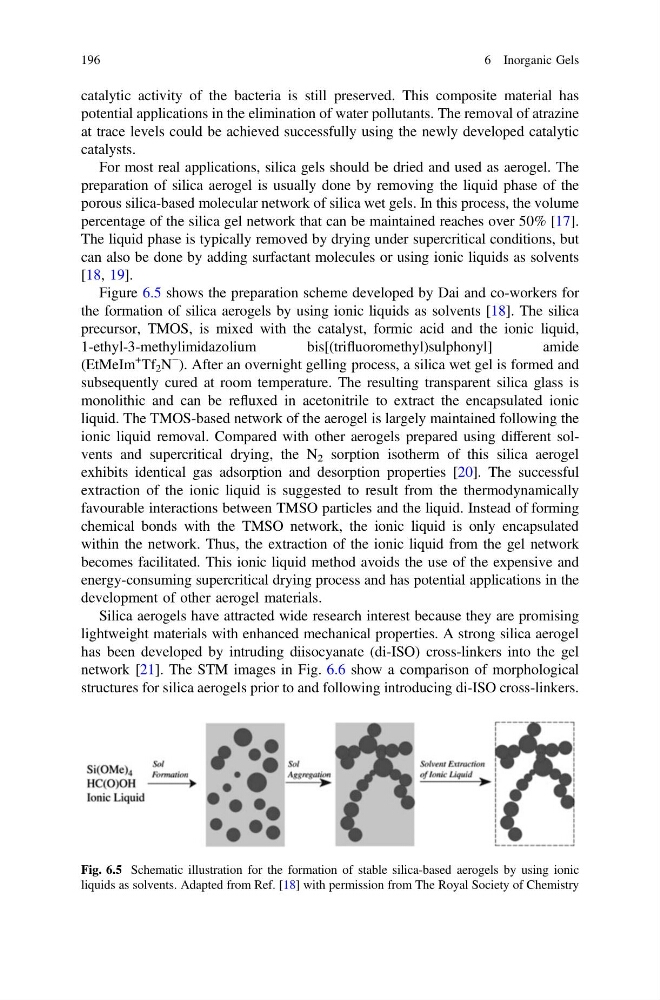
Figure 6.5 shows the preparation scheme developed by Dai and co-workers for
the formation of silica aerogels by using ionic liquids as solvents [18]. The silica
precursor, TMOS, is mixed with the catalyst, formic acid and the ionic liquid,
1-ethyl-3-methylimidazolium
bis[(trifluoromethyl)sulphonyl]
amide
(EtMeIm
+ Tf 2 N
− ). After an overnight gelling process, a silica wet gel is formed and
subsequently cured at room temperature. The resulting transparent silica glass is
monolithic and can be refluxed in acetonitrile to extract the encapsulated ionic
liquid. The TMOS-based network of the aerogel is largely maintained following the
ionic liquid removal. Compared with other aerogels prepared using different solvents and supercritical drying, the N 2 sorption isotherm of this silica aerogel
exhibits identical gas adsorption and desorption properties [20]. The successful
extraction of the ionic liquid is suggested to result from the thermodynamically
favourable interactions between TMSO particles and the liquid. Instead of forming
chemical bonds with the TMSO network, the ionic liquid is only encapsulated
within the network. Thus, the extraction of the ionic liquid from the gel network
becomes facilitated. This ionic liquid method avoids the use of the expensive and
energy-consuming supercritical drying process and has potential applications in the
development of other aerogel materials.
Silica aerogels have attracted wide research interest because they are promising
lightweight materials with enhanced mechanical properties. A strong silica aerogel
has been developed by intruding diisocyanate (di-ISO) cross-linkers into the gel
network [21]. The STM images in Fig. 6.6 show a comparison of morphological
structures for silica aerogels prior to and following introducing di-ISO cross-linkers.
Fig. 6.5 Schematic illustration for the formation of stable silica-based aerogels by using ionic
liquids as solvents. Adapted from Ref. [18] with permission from The Royal Society of Chemistry
196
6 Inorganic Gels
potential applications in the elimination of water pollutants. The removal of atrazine
at trace levels could be achieved successfully using the newly developed catalytic
catalysts.
For most real applications, silica gels should be dried and used as aerogel. The
preparation of silica aerogel is usually done by removing the liquid phase of the
porous silica-based molecular network of silica wet gels. In this process, the volume
percentage of the silica gel network that can be maintained reaches over 50% [17].
The liquid phase is typically removed by drying under supercritical conditions, but
can also be done by adding surfactant molecules or using ionic liquids as solvents
[18, 19].
Figure 6.5 shows the preparation scheme developed by Dai and co-workers for
the formation of silica aerogels by using ionic liquids as solvents [18]. The silica
precursor, TMOS, is mixed with the catalyst, formic acid and the ionic liquid,
1-ethyl-3-methylimidazolium
bis[(trifluoromethyl)sulphonyl]
amide
(EtMeIm
+ Tf 2 N
− ). After an overnight gelling process, a silica wet gel is formed and
subsequently cured at room temperature. The resulting transparent silica glass is
monolithic and can be refluxed in acetonitrile to extract the encapsulated ionic
liquid. The TMOS-based network of the aerogel is largely maintained following the
ionic liquid removal. Compared with other aerogels prepared using different solvents and supercritical drying, the N 2 sorption isotherm of this silica aerogel
exhibits identical gas adsorption and desorption properties [20]. The successful
extraction of the ionic liquid is suggested to result from the thermodynamically
favourable interactions between TMSO particles and the liquid. Instead of forming
chemical bonds with the TMSO network, the ionic liquid is only encapsulated
within the network. Thus, the extraction of the ionic liquid from the gel network
becomes facilitated. This ionic liquid method avoids the use of the expensive and
energy-consuming supercritical drying process and has potential applications in the
development of other aerogel materials.
Silica aerogels have attracted wide research interest because they are promising
lightweight materials with enhanced mechanical properties. A strong silica aerogel
has been developed by intruding diisocyanate (di-ISO) cross-linkers into the gel
network [21]. The STM images in Fig. 6.6 show a comparison of morphological
structures for silica aerogels prior to and following introducing di-ISO cross-linkers.
Fig. 6.5 Schematic illustration for the formation of stable silica-based aerogels by using ionic
liquids as solvents. Adapted from Ref. [18] with permission from The Royal Society of Chemistry
196
6 Inorganic Gels