

was obtained. And then the precursor was introduced into a domestic microwave
oven (700 W) and irradiated for different length of time, during which the combustion took place and black foamlike GTHs were obtained.
Recently, we also employ the vacuum activation in the preparation of graphenebased composites. Ti
3+ self-doped TiO 2 –graphene photocatalyst was successfully
prepared by a one-step vacuum activation which involved a relative lower temperature and was facile to reproduce on large scale [53]. Compared with other traditional preparation methods, the vacuum activation exhibits advantages of low
temperature and low costing, which can achieve the reduction of GO, the selfdoping of Ti
3+ in TiO 2 , and the loading of TiO 2 nanoparticles on GR surface at
the same time. In conclusion, considering the applications of simple vacuum activation method to prepare different kinds of photocatalysts with high photocatalytic
activities, we anticipate our research to be a starting point for the synthesis of new
materials with high photoactivity by a simple and cheap method.
5.2.1.2 Characterizations
For the binary composite, the micromorphology is very important to reflect the
compounding between the components. For the most reported 2D-structured TiO 2 /
graphene composite, the graphene shows a large-scale layer structure and plays the
role of support. And the nanosized TiO 2 particles play the role of major active
component, which is loading on the surface of graphene. The degree of dispersion of
TiO 2 nanoparticles on the graphene relates to the photocatalytic activity of composite. The TEM and SEM are considered as the most intuitive characterizations for the
micromorphology of TiO 2 /graphene composite.
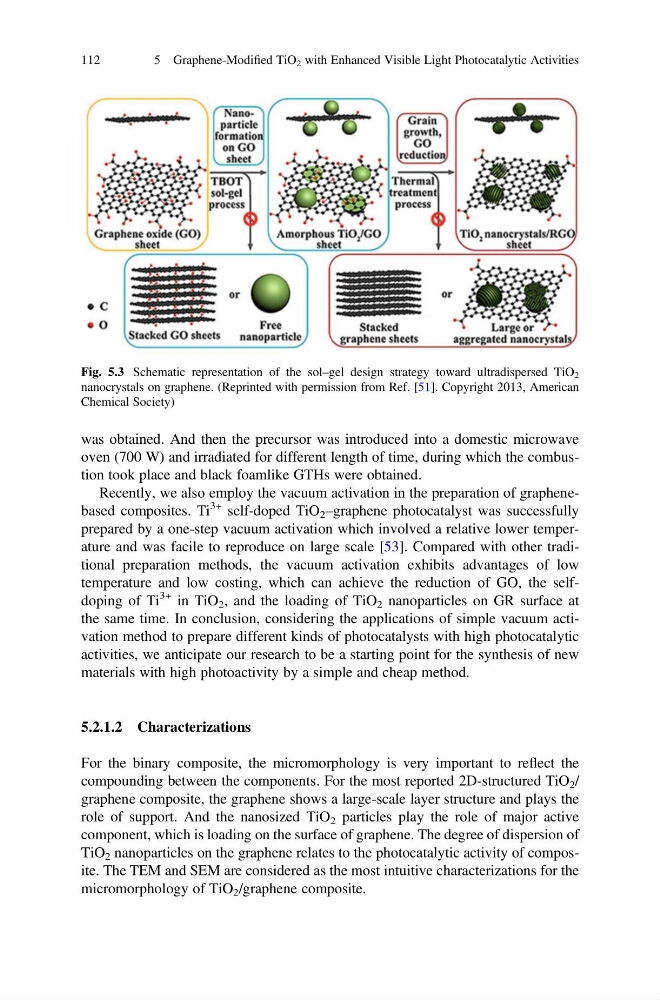
Fig. 5.3 Schematic representation of the sol–gel design strategy toward ultradispersed TiO 2
nanocrystals on graphene. (Reprinted with permission from Ref. [51]. Copyright 2013, American
Chemical Society)
112
5 Graphene-Modified TiO 2 with Enhanced Visible Light Photocatalytic Activities
oven (700 W) and irradiated for different length of time, during which the combustion took place and black foamlike GTHs were obtained.
Recently, we also employ the vacuum activation in the preparation of graphenebased composites. Ti
3+ self-doped TiO 2 –graphene photocatalyst was successfully
prepared by a one-step vacuum activation which involved a relative lower temperature and was facile to reproduce on large scale [53]. Compared with other traditional preparation methods, the vacuum activation exhibits advantages of low
temperature and low costing, which can achieve the reduction of GO, the selfdoping of Ti
3+ in TiO 2 , and the loading of TiO 2 nanoparticles on GR surface at
the same time. In conclusion, considering the applications of simple vacuum activation method to prepare different kinds of photocatalysts with high photocatalytic
activities, we anticipate our research to be a starting point for the synthesis of new
materials with high photoactivity by a simple and cheap method.
5.2.1.2 Characterizations
For the binary composite, the micromorphology is very important to reflect the
compounding between the components. For the most reported 2D-structured TiO 2 /
graphene composite, the graphene shows a large-scale layer structure and plays the
role of support. And the nanosized TiO 2 particles play the role of major active
component, which is loading on the surface of graphene. The degree of dispersion of
TiO 2 nanoparticles on the graphene relates to the photocatalytic activity of composite. The TEM and SEM are considered as the most intuitive characterizations for the
micromorphology of TiO 2 /graphene composite.
Fig. 5.3 Schematic representation of the sol–gel design strategy toward ultradispersed TiO 2
nanocrystals on graphene. (Reprinted with permission from Ref. [51]. Copyright 2013, American
Chemical Society)
112
5 Graphene-Modified TiO 2 with Enhanced Visible Light Photocatalytic Activities