

also species where other H-atoms of benzene are substituted. Of course such
substituents may influence on the electron density distribution including the
hydroxyl group. However the aim of those searches was only to evaluate briefly the
differences between the neutron and X-ray diffraction results if the covalent bond
containing H-atom is considered. In a case of the neutron diffraction the positions of
atoms in the crystal correspond to the positions of nuclei while for the X-ray
measurements these are the positions of the local maxima of electron density; in
other words in the latter case we have the positions of attractors. This is why the
QTAIM approach may be applied for the crystal structures’ results [1–3] and for
numerous crystal structures the topological analysis based on the experimental
electron density is performed. The mentioned above searches on the phenol
derivatives were carried out for high quality measurements since the following
search criteria were applied: no disordered structures, no structures with unresolved
errors, no powder structures, no polymeric structures, e.s.d.’s for C–C
bonds ≤ 0.005 Å and the discrepancy index R ≤ 7 %.
The precision of the determination of the positions of the maxima of electron
density for H-atoms in X-ray diffraction measurements is much lower than the
precision of determination of hydrogen nuclei positions in the neutron diffraction
[8] but one can see that statistically the X-ray O–H bonds are much shorter than the
neutron diffraction counterparts (Fig. 15.18); the mean OH bond length for X-ray
experiments is equal to 0.871 Å while this value for neutron diffraction amounts
0.990 Å; the corresponding median values are equal to 0.841 Å and 0.984 Å,
respectively. The median values are presented here since the bond length distributions are not the normal ones. The number of the OH bonds included in the
histograms (Fig. 15.18) for the X-ray and neutron diffraction is equal to 3798 and
12, respectively. This is because, in general, the number of X-ray observations
collected in CSD is large in comparison with the neutron diffraction ones; the total
number of crystal structures stored into Cambridge Structural Database is equal to
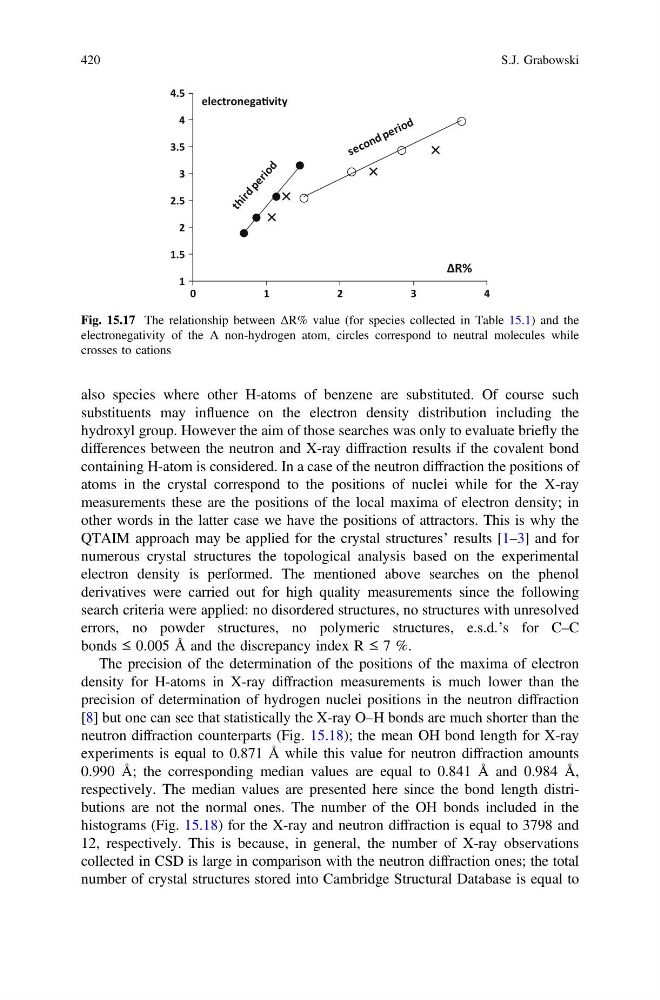
Fig. 15.17 The relationship between ΔR% value (for species collected in Table 15.1) and the
electronegativity of the A non-hydrogen atom, circles correspond to neutral molecules while
crosses to cations
420
S.J. Grabowski
substituents may influence on the electron density distribution including the
hydroxyl group. However the aim of those searches was only to evaluate briefly the
differences between the neutron and X-ray diffraction results if the covalent bond
containing H-atom is considered. In a case of the neutron diffraction the positions of
atoms in the crystal correspond to the positions of nuclei while for the X-ray
measurements these are the positions of the local maxima of electron density; in
other words in the latter case we have the positions of attractors. This is why the
QTAIM approach may be applied for the crystal structures’ results [1–3] and for
numerous crystal structures the topological analysis based on the experimental
electron density is performed. The mentioned above searches on the phenol
derivatives were carried out for high quality measurements since the following
search criteria were applied: no disordered structures, no structures with unresolved
errors, no powder structures, no polymeric structures, e.s.d.’s for C–C
bonds ≤ 0.005 Å and the discrepancy index R ≤ 7 %.
The precision of the determination of the positions of the maxima of electron
density for H-atoms in X-ray diffraction measurements is much lower than the
precision of determination of hydrogen nuclei positions in the neutron diffraction
[8] but one can see that statistically the X-ray O–H bonds are much shorter than the
neutron diffraction counterparts (Fig. 15.18); the mean OH bond length for X-ray
experiments is equal to 0.871 Å while this value for neutron diffraction amounts
0.990 Å; the corresponding median values are equal to 0.841 Å and 0.984 Å,
respectively. The median values are presented here since the bond length distributions are not the normal ones. The number of the OH bonds included in the
histograms (Fig. 15.18) for the X-ray and neutron diffraction is equal to 3798 and
12, respectively. This is because, in general, the number of X-ray observations
collected in CSD is large in comparison with the neutron diffraction ones; the total
number of crystal structures stored into Cambridge Structural Database is equal to
Fig. 15.17 The relationship between ΔR% value (for species collected in Table 15.1) and the
electronegativity of the A non-hydrogen atom, circles correspond to neutral molecules while
crosses to cations
420
S.J. Grabowski