

development: improvement of turnover number (or frequency), use of atmospheric
oxygen as an ideal terminal oxidant, activation of even more challenging sp
3 C–H
bonds [83–85], and application to asymmetric catalysis. The clarification of
detailed mechanisms and design of new Cu-based catalysis can address these
problems and open a door to truly useful and practical synthetic transformation
based on C–H activation chemistry.
References
1. Murai S, Kakiuchi F, Sekine S, Tanaka Y, Kamatani A, Sonoda A, Chatani N (1993) Nature
366:529
2. Daugulis O, Do H-Q, Shabashov D (2009) Acc Chem Res 42:1074
3. Kulkarni AA, Daugulis O (2009) Synthesis 24:4087
4. Wendlandt AE, Suess AM, Stahl SS (2011) Angew Chem Int Ed 50:11062
5. Hirano K, Miura M (2012) Chem Commun 48:10704
6. Hirano K, Miura M (2014) Top Catal 57:878
7. Chen X, Hao X-S, Goodhue CE, Yu J-Q (2006) J Am Chem Soc 128:6790
8. Uemura T, Imoto S, Chatani N (2006) Chem Lett 35:842
9. Guo X-X, Gu D-W, Wu Z, Zhang W (2015) Chem Rev 115:1622
10. de Meijere A, Diederich F (2004) Metal-catalyzed cross-coupling reactions, 2nd edn. WileyVCH, Weinheim
11. Tsuji J (2004) Palladium reagents and catalysts, 2nd edn. Wiley, Chichester
12. Miyaura N (2002) Top Curr Chem 2002:219
13. Chinchilla R, Na ´jera C (2007) Chem Rev 107:874
14. Doucet H, Hierso J-C (2007) Angew Chem Int Ed 46:834
15. Chinchilla R, Najera C (2011) Chem Soc Rev 40:5084
16. Thomas AM, Sujatha A, Anilkumar G (2014) RSC Adv 4:21688
17. Kitahara M, Hirano K, Tsurugi H, Satoh T, Miura M (2010) Chem Eur J 16:1722
18. Matsuyama N, Kitahara M, Hirano K, Satoh T, Miura M (2010) Org Lett 12:2358
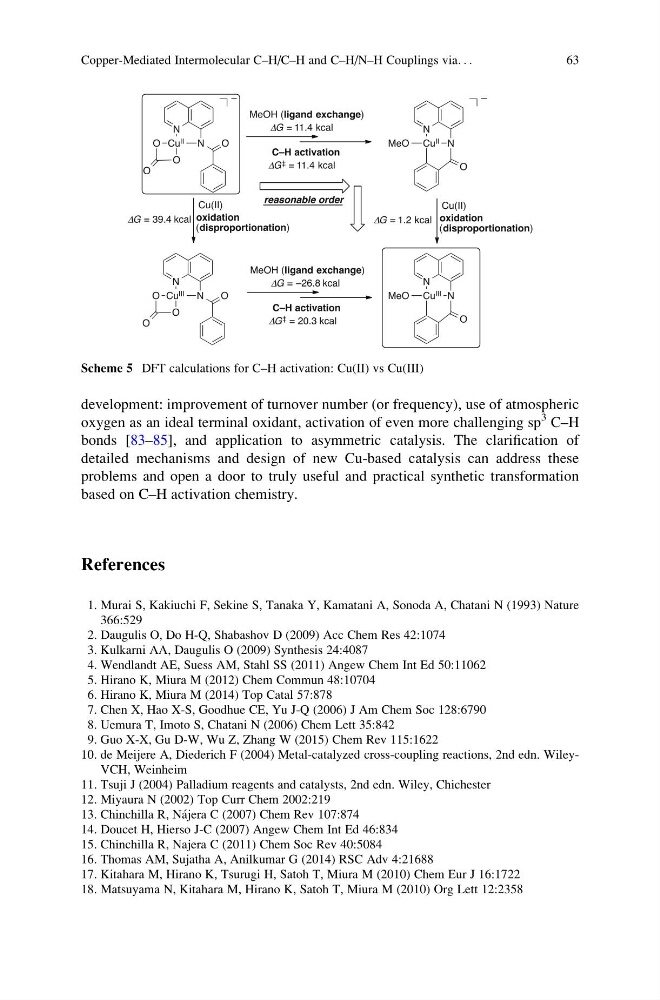
Scheme 5 DFT calculations for C–H activation: Cu(II) vs Cu(III)
Copper-Mediated Intermolecular C–H/C–H and C–H/N–H Couplings via. . .
63
oxygen as an ideal terminal oxidant, activation of even more challenging sp
3 C–H
bonds [83–85], and application to asymmetric catalysis. The clarification of
detailed mechanisms and design of new Cu-based catalysis can address these
problems and open a door to truly useful and practical synthetic transformation
based on C–H activation chemistry.
References
1. Murai S, Kakiuchi F, Sekine S, Tanaka Y, Kamatani A, Sonoda A, Chatani N (1993) Nature
366:529
2. Daugulis O, Do H-Q, Shabashov D (2009) Acc Chem Res 42:1074
3. Kulkarni AA, Daugulis O (2009) Synthesis 24:4087
4. Wendlandt AE, Suess AM, Stahl SS (2011) Angew Chem Int Ed 50:11062
5. Hirano K, Miura M (2012) Chem Commun 48:10704
6. Hirano K, Miura M (2014) Top Catal 57:878
7. Chen X, Hao X-S, Goodhue CE, Yu J-Q (2006) J Am Chem Soc 128:6790
8. Uemura T, Imoto S, Chatani N (2006) Chem Lett 35:842
9. Guo X-X, Gu D-W, Wu Z, Zhang W (2015) Chem Rev 115:1622
10. de Meijere A, Diederich F (2004) Metal-catalyzed cross-coupling reactions, 2nd edn. WileyVCH, Weinheim
11. Tsuji J (2004) Palladium reagents and catalysts, 2nd edn. Wiley, Chichester
12. Miyaura N (2002) Top Curr Chem 2002:219
13. Chinchilla R, Na ´jera C (2007) Chem Rev 107:874
14. Doucet H, Hierso J-C (2007) Angew Chem Int Ed 46:834
15. Chinchilla R, Najera C (2011) Chem Soc Rev 40:5084
16. Thomas AM, Sujatha A, Anilkumar G (2014) RSC Adv 4:21688
17. Kitahara M, Hirano K, Tsurugi H, Satoh T, Miura M (2010) Chem Eur J 16:1722
18. Matsuyama N, Kitahara M, Hirano K, Satoh T, Miura M (2010) Org Lett 12:2358
Scheme 5 DFT calculations for C–H activation: Cu(II) vs Cu(III)
Copper-Mediated Intermolecular C–H/C–H and C–H/N–H Couplings via. . .
63