

6.4 Shoe Manufacturing
93
Table 6.7 Workflows for the shoe factory
Flows (direction and amount)
(wrm,1) 4350
(wrm,2) 1850
(wrm,14) 30200
(wrm,15) 34500
(wrm,44) 4900
(1,3) 4350
(2,4) 1850
(3,5) 4500
(4,5) 4000
(5,6) 8500
(6,7) 4250
(6,8) 4250
(7,9) 8500
(8,9) 2700
(9,10) 1000
(9,11) 1000
(9,12) 500
(9,13) 400
(10,14) 450
(11,14) 2900
(12,14) 2250
(13,14) 5150
(14,16) 30200
(15,16) 34500
(16,17) 34500
(17,18) 26200
(18,19) 26200
(19,20) 26200
(19,21) 26200
(21,22) 26200
(22,23) 26200
(23,24) 26200
(24,25) 34500
(25,26) 34500
(25,26) 34500
(26,27) 26200
(27,28) 11300
(28,29) 26200
(29,30) 26200
(30,31) 25700
(31,32) 34500
(32,33) 26200
(33,34) 34500
(34,35) 26200
(35,36) 14400
(36,37) 14400
(37,38) 28100
(38,39) 22000
(39,40) 32300
(40,41) 34500
(41,42) 34500
(42,43) 34500
(43,44) 34500
(44,45) 4900
(45,46) 34500
(46,47) 7000
(47,48) 34500
(48,49) 7000
(49,50) 26200
(50,51) 34500
(51,52) 34500
(52,sw) 34500
Warehouse of raw materials
Support facility
Entrance of
production
line
Shoes
exit here
Offices
Entrance
Shoe warehouse
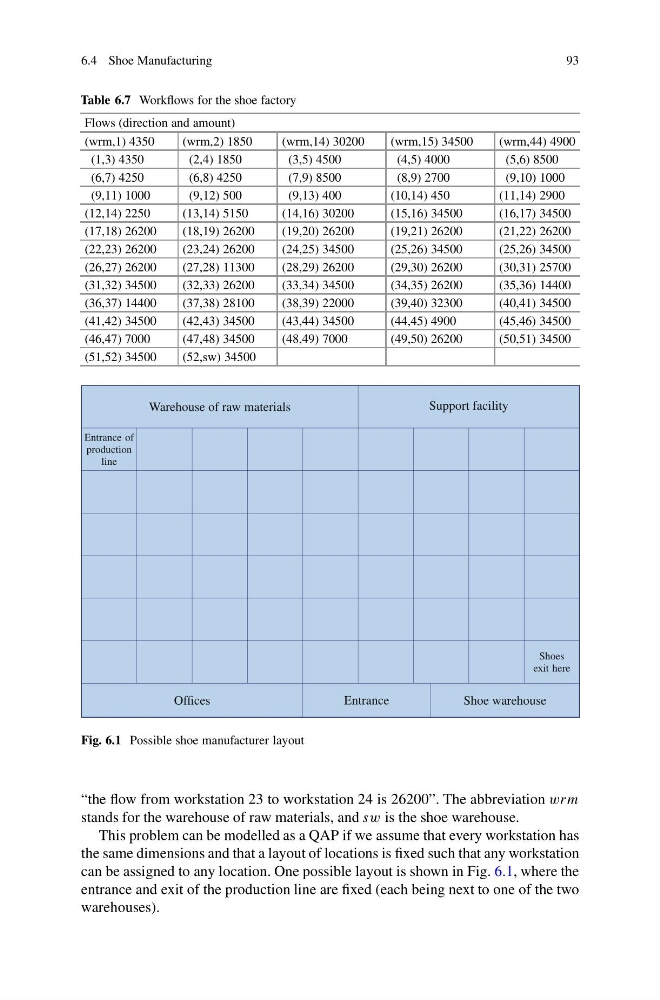
Fig. 6.1 Possible shoe manufacturer layout
“the flow from workstation 23 to workstation 24 is 26200”. The abbreviation wrm
stands for the warehouse of raw materials, and sw is the shoe warehouse.
This problem can be modelled as a QAP if we assume that every workstation has
the same dimensions and that a layout of locations is fixed such that any workstation
can be assigned to any location. One possible layout is shown in Fig. 6.1, where the
entrance and exit of the production line are fixed (each being next to one of the two
warehouses).
93
Table 6.7 Workflows for the shoe factory
Flows (direction and amount)
(wrm,1) 4350
(wrm,2) 1850
(wrm,14) 30200
(wrm,15) 34500
(wrm,44) 4900
(1,3) 4350
(2,4) 1850
(3,5) 4500
(4,5) 4000
(5,6) 8500
(6,7) 4250
(6,8) 4250
(7,9) 8500
(8,9) 2700
(9,10) 1000
(9,11) 1000
(9,12) 500
(9,13) 400
(10,14) 450
(11,14) 2900
(12,14) 2250
(13,14) 5150
(14,16) 30200
(15,16) 34500
(16,17) 34500
(17,18) 26200
(18,19) 26200
(19,20) 26200
(19,21) 26200
(21,22) 26200
(22,23) 26200
(23,24) 26200
(24,25) 34500
(25,26) 34500
(25,26) 34500
(26,27) 26200
(27,28) 11300
(28,29) 26200
(29,30) 26200
(30,31) 25700
(31,32) 34500
(32,33) 26200
(33,34) 34500
(34,35) 26200
(35,36) 14400
(36,37) 14400
(37,38) 28100
(38,39) 22000
(39,40) 32300
(40,41) 34500
(41,42) 34500
(42,43) 34500
(43,44) 34500
(44,45) 4900
(45,46) 34500
(46,47) 7000
(47,48) 34500
(48,49) 7000
(49,50) 26200
(50,51) 34500
(51,52) 34500
(52,sw) 34500
Warehouse of raw materials
Support facility
Entrance of
production
line
Shoes
exit here
Offices
Entrance
Shoe warehouse
Fig. 6.1 Possible shoe manufacturer layout
“the flow from workstation 23 to workstation 24 is 26200”. The abbreviation wrm
stands for the warehouse of raw materials, and sw is the shoe warehouse.
This problem can be modelled as a QAP if we assume that every workstation has
the same dimensions and that a layout of locations is fixed such that any workstation
can be assigned to any location. One possible layout is shown in Fig. 6.1, where the
entrance and exit of the production line are fixed (each being next to one of the two
warehouses).