

cocatalysts, activation by ethylene monomer during the induction period, and the
effect of Ti-modification of Phillips catalysts has been achieved through various
spectroscopic methods, in particular through combined multiple methodologies.
Further development can be expected with the development of the spectroscopic
techniques and the emergence of new techniques such as time- and temperatureresolved FTIR spectroscopy [62], pressure- and temperature-resolved FTIR
spectroscopy under in-situ or operando conditions [63, 77], in-situ XAS
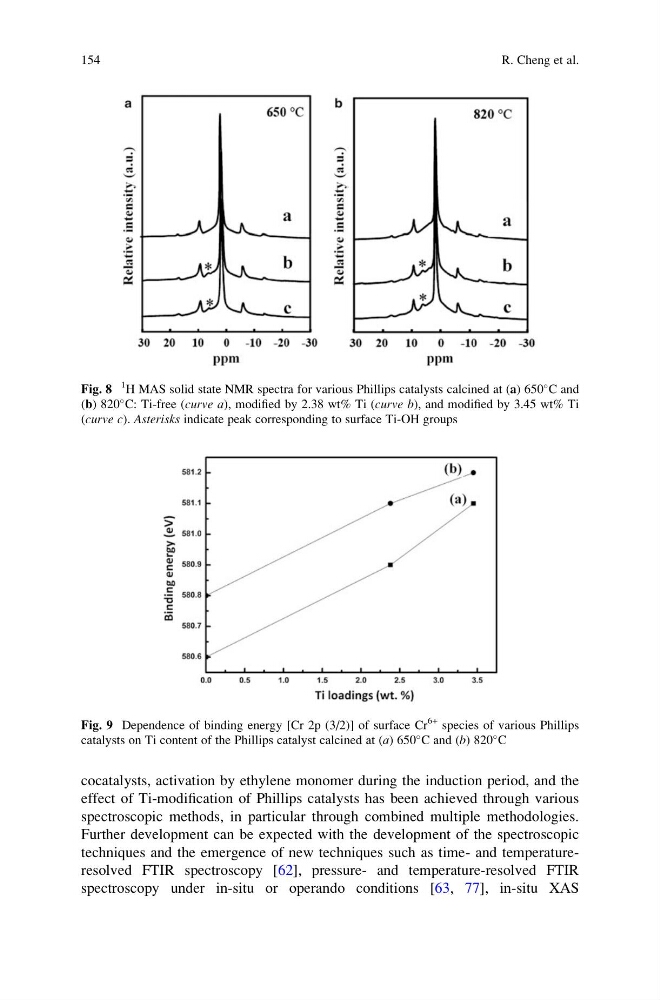
Fig. 9 Dependence of binding energy [Cr 2p (3/2)] of surface Cr
6+ species of various Phillips
catalysts on Ti content of the Phillips catalyst calcined at (a) 650
C and (b) 820
C
Fig. 8
1
H MAS solid state NMR spectra for various Phillips catalysts calcined at (a) 650
C and
(b) 820
C: Ti-free (curve a), modified by 2.38 wt% Ti (curve b), and modified by 3.45 wt% Ti
(curve c). Asterisks indicate peak corresponding to surface Ti-OH groups
154
R. Cheng et al.
effect of Ti-modification of Phillips catalysts has been achieved through various
spectroscopic methods, in particular through combined multiple methodologies.
Further development can be expected with the development of the spectroscopic
techniques and the emergence of new techniques such as time- and temperatureresolved FTIR spectroscopy [62], pressure- and temperature-resolved FTIR
spectroscopy under in-situ or operando conditions [63, 77], in-situ XAS
Fig. 9 Dependence of binding energy [Cr 2p (3/2)] of surface Cr
6+ species of various Phillips
catalysts on Ti content of the Phillips catalyst calcined at (a) 650
C and (b) 820
C
Fig. 8
1
H MAS solid state NMR spectra for various Phillips catalysts calcined at (a) 650
C and
(b) 820
C: Ti-free (curve a), modified by 2.38 wt% Ti (curve b), and modified by 3.45 wt% Ti
(curve c). Asterisks indicate peak corresponding to surface Ti-OH groups
154
R. Cheng et al.