

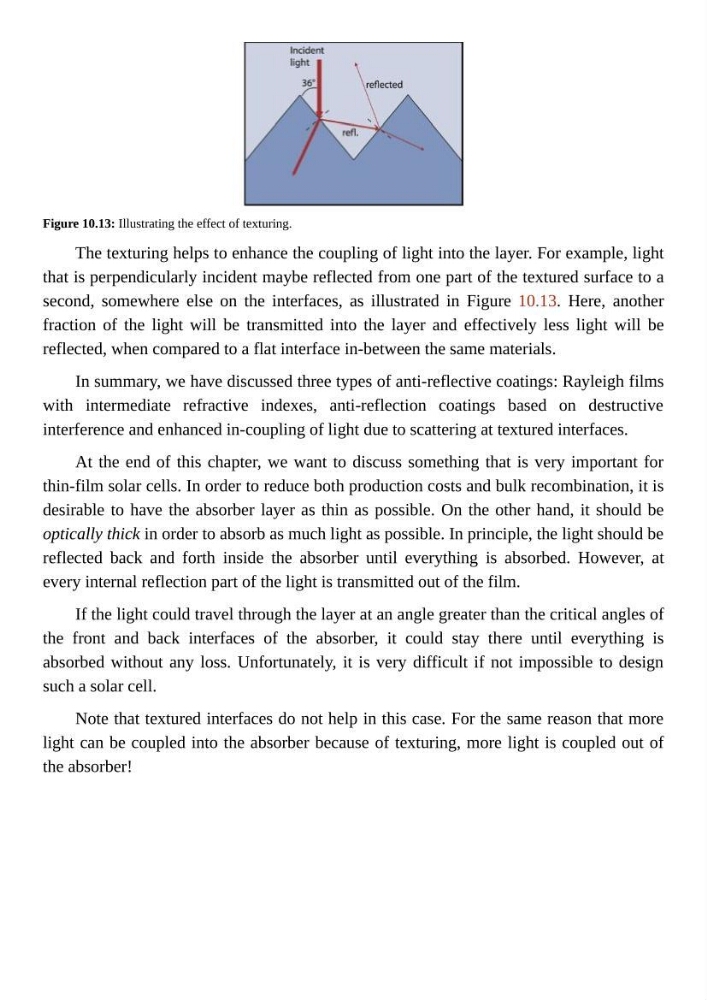
Figure 10.13: Illustrating the effect of texturing.
The texturing helps to enhance the coupling of light into the layer. For example, light
that is perpendicularly incident maybe reflected from one part of the textured surface to a
second, somewhere else on the interfaces, as illustrated in Figure 10.13. Here, another
fraction of the light will be transmitted into the layer and effectively less light will be
reflected, when compared to a flat interface in-between the same materials.
In summary, we have discussed three types of anti-reflective coatings: Rayleigh films
with intermediate refractive indexes, anti-reflection coatings based on destructive
interference and enhanced in-coupling of light due to scattering at textured interfaces.
At the end of this chapter, we want to discuss something that is very important for
thin-film solar cells. In order to reduce both production costs and bulk recombination, it is
desirable to have the absorber layer as thin as possible. On the other hand, it should be
optically thick in order to absorb as much light as possible. In principle, the light should be
reflected back and forth inside the absorber until everything is absorbed. However, at
every internal reflection part of the light is transmitted out of the film.
If the light could travel through the layer at an angle greater than the critical angles of
the front and back interfaces of the absorber, it could stay there until everything is
absorbed without any loss. Unfortunately, it is very difficult if not impossible to design
such a solar cell.
Note that textured interfaces do not help in this case. For the same reason that more
light can be coupled into the absorber because of texturing, more light is coupled out of
the absorber!
The texturing helps to enhance the coupling of light into the layer. For example, light
that is perpendicularly incident maybe reflected from one part of the textured surface to a
second, somewhere else on the interfaces, as illustrated in Figure 10.13. Here, another
fraction of the light will be transmitted into the layer and effectively less light will be
reflected, when compared to a flat interface in-between the same materials.
In summary, we have discussed three types of anti-reflective coatings: Rayleigh films
with intermediate refractive indexes, anti-reflection coatings based on destructive
interference and enhanced in-coupling of light due to scattering at textured interfaces.
At the end of this chapter, we want to discuss something that is very important for
thin-film solar cells. In order to reduce both production costs and bulk recombination, it is
desirable to have the absorber layer as thin as possible. On the other hand, it should be
optically thick in order to absorb as much light as possible. In principle, the light should be
reflected back and forth inside the absorber until everything is absorbed. However, at
every internal reflection part of the light is transmitted out of the film.
If the light could travel through the layer at an angle greater than the critical angles of
the front and back interfaces of the absorber, it could stay there until everything is
absorbed without any loss. Unfortunately, it is very difficult if not impossible to design
such a solar cell.
Note that textured interfaces do not help in this case. For the same reason that more
light can be coupled into the absorber because of texturing, more light is coupled out of
the absorber!