

245
7.2 Plant and Algal Polyphenols
Polyphenols are one of the most widespread secondary metabolites in the plant kingdom, with several thousand structures (Cheynier 2005; Tsao 2010; Quideau et al.
2011; Belščak-Cvitanović et al. 2018). Plant polyphenols can be found in almost all
organs of edible and nonedible plants and have a pivotal role in their growth and
development. Fruits, vegetables, seeds, cereals, bark, coffee, and tea are known to be
a rich source of polyphenols, not only to the scientific community but also to the
general public because of the current promotion of the beneficial effects of polyphenols for health. Thus, crude extracts of fruits, herbs, vegetables, cereals, etc. have
been attracted growing interests in food and cosmetic industries, because they are
rich in phenolic compounds, especially flavonoids. Algae, notably marine algae (seaweeds) or microalgae (mainly Chlorella sp.), are also an interesting source of polyphenols although much less explored than their plant counterparts (Hajimahmoodi
et al. 2010; Goiris et al. 2012; Joana Gil-Chávez et al. 2013; Wang et al. 2014;
Michalak and Chojnacka 2015; Zakaria et al. 2017). The reason might be that carotenoid pigments have been the most usual antioxidant target considered in algal
extracts (Crampon et al. 2011; Goiris et al. 2012; Kadam et al. 2013). However,
polyphenolic compounds, including catechins and flavonols (aglycone and glucosides), have been extracted in some red, brown, and green algae (Yoshie et al. 2000;
Santoso et al. 2004; Shoubaky et al. 2016; Tanna and Mishra 2018). Phlorotannins
which are the dominant polyphenols in brown algae (Alariaceae, Fucaceae,
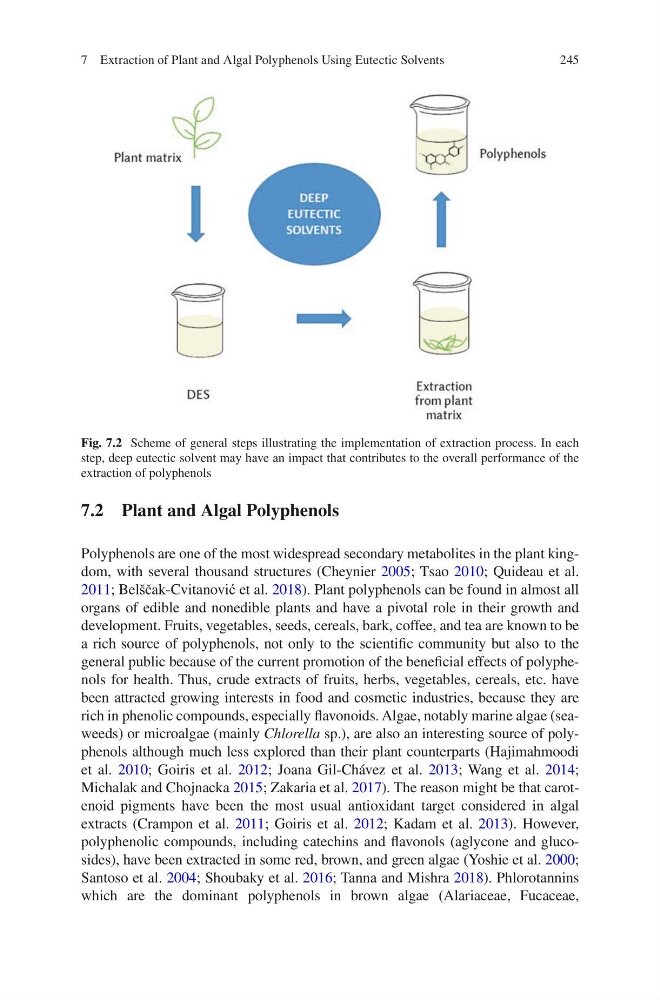
Fig. 7.2 Scheme of general steps illustrating the implementation of extraction process. In each
step, deep eutectic solvent may have an impact that contributes to the overall performance of the
extraction of polyphenols
7 Extraction of Plant and Algal Polyphenols Using Eutectic Solvents
7.2 Plant and Algal Polyphenols
Polyphenols are one of the most widespread secondary metabolites in the plant kingdom, with several thousand structures (Cheynier 2005; Tsao 2010; Quideau et al.
2011; Belščak-Cvitanović et al. 2018). Plant polyphenols can be found in almost all
organs of edible and nonedible plants and have a pivotal role in their growth and
development. Fruits, vegetables, seeds, cereals, bark, coffee, and tea are known to be
a rich source of polyphenols, not only to the scientific community but also to the
general public because of the current promotion of the beneficial effects of polyphenols for health. Thus, crude extracts of fruits, herbs, vegetables, cereals, etc. have
been attracted growing interests in food and cosmetic industries, because they are
rich in phenolic compounds, especially flavonoids. Algae, notably marine algae (seaweeds) or microalgae (mainly Chlorella sp.), are also an interesting source of polyphenols although much less explored than their plant counterparts (Hajimahmoodi
et al. 2010; Goiris et al. 2012; Joana Gil-Chávez et al. 2013; Wang et al. 2014;
Michalak and Chojnacka 2015; Zakaria et al. 2017). The reason might be that carotenoid pigments have been the most usual antioxidant target considered in algal
extracts (Crampon et al. 2011; Goiris et al. 2012; Kadam et al. 2013). However,
polyphenolic compounds, including catechins and flavonols (aglycone and glucosides), have been extracted in some red, brown, and green algae (Yoshie et al. 2000;
Santoso et al. 2004; Shoubaky et al. 2016; Tanna and Mishra 2018). Phlorotannins
which are the dominant polyphenols in brown algae (Alariaceae, Fucaceae,
Fig. 7.2 Scheme of general steps illustrating the implementation of extraction process. In each
step, deep eutectic solvent may have an impact that contributes to the overall performance of the
extraction of polyphenols
7 Extraction of Plant and Algal Polyphenols Using Eutectic Solvents