

348
the early 1990s on cyclodextrin-based polymers for chromatographic applications
was abandoned 1 year later.
At the same period, Professor Gerhard Wenz asked Professor Morcellet and
Professor Casu to participate in the implementation of a European project on cyclodextrin polymers. In 1995, the project, focusing on the “Development from cyclodextrin derivatives to polymeric materials for selective transport, separation and
detection of active substances” (FAIR Program 1995–1999, European Commission
DGXII, contract no. CT 95-0300), was accepted. This was my entrance to the world
of oligosaccharides and polysaccharides for environmental applications. As part of
this project, after obtaining my PhD in 1995, I spent 2 years as a postdoctoral fellow
at the Chemical Unit of G. Ronzoni Institute, under the direction of Dr. Torri and
Professor Benito Casu, to work on the synthesis and NMR characterization of
cyclodextrin-epichlorohydrin polymers, two of the objectives of the FAIR Program.
At that time, the Institute’s internationally recognized chemistry unit played a leading role in the pure and applied chemistry of carbohydrates and biopolymers. During
the FAIR project, I had the opportunity to work with academics, including Dr.
Anna-Maria Naggi, Dr. Carmen Vecchi, Dr. Marco Guerrini, Dr. Cesare Cosentino,
Dr. Edwin Yates, Dr. Bernard Martel, Professor Wenz, Professor Wilfried König
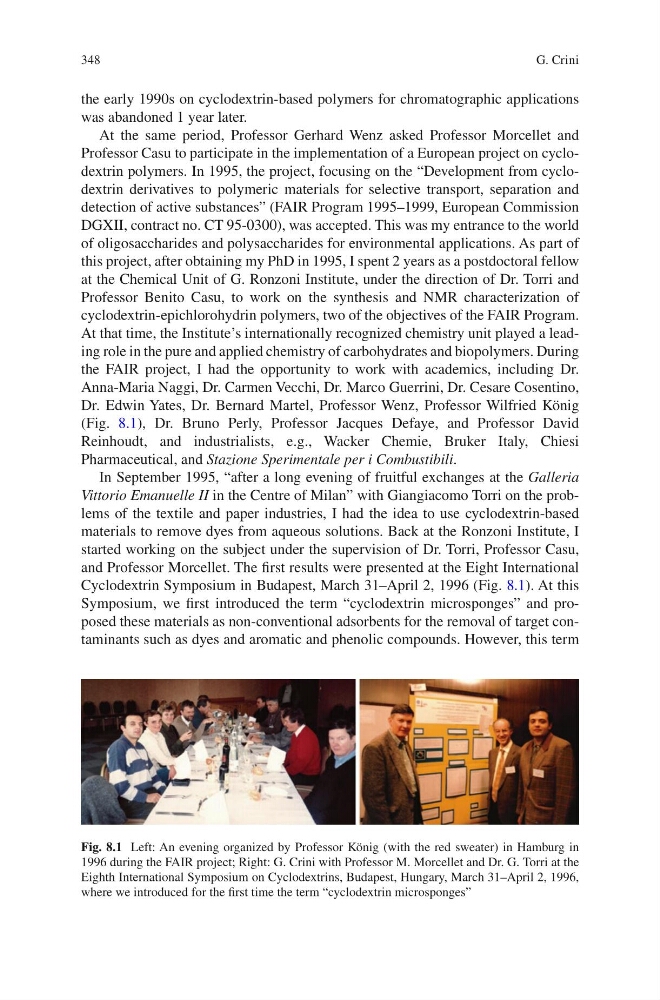
(Fig. 8.1), Dr. Bruno Perly, Professor Jacques Defaye, and Professor David
Reinhoudt, and industrialists, e.g., Wacker Chemie, Bruker Italy, Chiesi
Pharmaceutical, and Stazione Sperimentale per i Combustibili.
In September 1995, “after a long evening of fruitful exchanges at the Galleria
Vittorio Emanuelle II in the Centre of Milan” with Giangiacomo Torri on the problems of the textile and paper industries, I had the idea to use cyclodextrin-based
materials to remove dyes from aqueous solutions. Back at the Ronzoni Institute, I
started working on the subject under the supervision of Dr. Torri, Professor Casu,
and Professor Morcellet. The first results were presented at the Eight International
Cyclodextrin Symposium in Budapest, March 31–April 2, 1996 (Fig. 8.1). At this
Symposium, we first introduced the term “cyclodextrin microsponges” and proposed these materials as non-conventional adsorbents for the removal of target contaminants such as dyes and aromatic and phenolic compounds. However, this term
Fig. 8.1 Left: An evening organized by Professor König (with the red sweater) in Hamburg in
1996 during the FAIR project; Right: G. Crini with Professor M. Morcellet and Dr. G. Torri at the
Eighth International Symposium on Cyclodextrins, Budapest, Hungary, March 31–April 2, 1996,
where we introduced for the first time the term “cyclodextrin microsponges”
G. Crini
the early 1990s on cyclodextrin-based polymers for chromatographic applications
was abandoned 1 year later.
At the same period, Professor Gerhard Wenz asked Professor Morcellet and
Professor Casu to participate in the implementation of a European project on cyclodextrin polymers. In 1995, the project, focusing on the “Development from cyclodextrin derivatives to polymeric materials for selective transport, separation and
detection of active substances” (FAIR Program 1995–1999, European Commission
DGXII, contract no. CT 95-0300), was accepted. This was my entrance to the world
of oligosaccharides and polysaccharides for environmental applications. As part of
this project, after obtaining my PhD in 1995, I spent 2 years as a postdoctoral fellow
at the Chemical Unit of G. Ronzoni Institute, under the direction of Dr. Torri and
Professor Benito Casu, to work on the synthesis and NMR characterization of
cyclodextrin-epichlorohydrin polymers, two of the objectives of the FAIR Program.
At that time, the Institute’s internationally recognized chemistry unit played a leading role in the pure and applied chemistry of carbohydrates and biopolymers. During
the FAIR project, I had the opportunity to work with academics, including Dr.
Anna-Maria Naggi, Dr. Carmen Vecchi, Dr. Marco Guerrini, Dr. Cesare Cosentino,
Dr. Edwin Yates, Dr. Bernard Martel, Professor Wenz, Professor Wilfried König
(Fig. 8.1), Dr. Bruno Perly, Professor Jacques Defaye, and Professor David
Reinhoudt, and industrialists, e.g., Wacker Chemie, Bruker Italy, Chiesi
Pharmaceutical, and Stazione Sperimentale per i Combustibili.
In September 1995, “after a long evening of fruitful exchanges at the Galleria
Vittorio Emanuelle II in the Centre of Milan” with Giangiacomo Torri on the problems of the textile and paper industries, I had the idea to use cyclodextrin-based
materials to remove dyes from aqueous solutions. Back at the Ronzoni Institute, I
started working on the subject under the supervision of Dr. Torri, Professor Casu,
and Professor Morcellet. The first results were presented at the Eight International
Cyclodextrin Symposium in Budapest, March 31–April 2, 1996 (Fig. 8.1). At this
Symposium, we first introduced the term “cyclodextrin microsponges” and proposed these materials as non-conventional adsorbents for the removal of target contaminants such as dyes and aromatic and phenolic compounds. However, this term
Fig. 8.1 Left: An evening organized by Professor König (with the red sweater) in Hamburg in
1996 during the FAIR project; Right: G. Crini with Professor M. Morcellet and Dr. G. Torri at the
Eighth International Symposium on Cyclodextrins, Budapest, Hungary, March 31–April 2, 1996,
where we introduced for the first time the term “cyclodextrin microsponges”
G. Crini