

185
User-Centred Agile Development
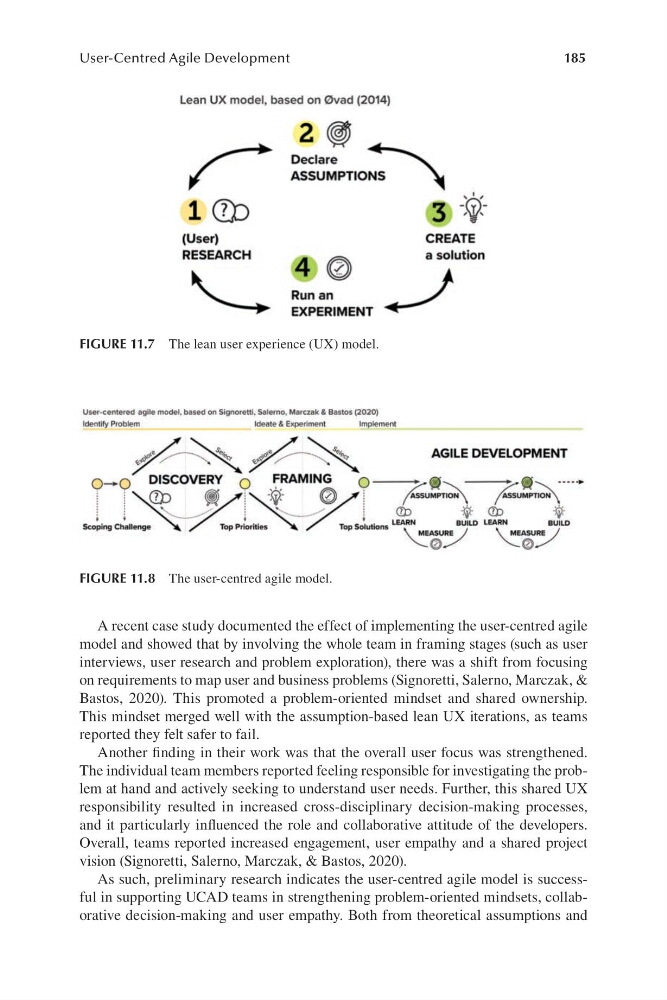
FIGURE 11.7 The lean user experience ( UX) model.
FIGURE 11.8 The user-centred agile model.
A recent case study documented the effect of implementing the us er-centred agile
model and showed that by involving the whole team in framing stages ( such as user
interviews, user research and problem exploration), there was a shift from focusing
on requirements to map user and business problems (S ignoretti, Salerno, Marczak, &
Bastos, 2020). This promoted a problem-oriented mindset and shared ownership.
This mindset merged well with the a ssumption-based lean UX iterations, as teams
reported they felt safer to fail.
Another finding in their work was that the overall user focus was strengthened.
The individual team members reported feeling responsible for investigating the problem at hand and actively seeking to understand user needs. Further, this shared UX
responsibility resulted in increased c ross-disciplinary decision-making processes,
and it particularly influenced the role and collaborative attitude of the developers.
Overall, teams reported increased engagement, user empathy and a shared project
vision (S ignoretti, Salerno, Marczak, & Bastos, 2020).
As such, preliminary research indicates the us er-centred agile model is successful in supporting UCAD teams in strengthening p roblem-oriented mindsets, collaborative d ecision-making and user empathy. Both from theoretical assumptions and
User-Centred Agile Development
FIGURE 11.7 The lean user experience ( UX) model.
FIGURE 11.8 The user-centred agile model.
A recent case study documented the effect of implementing the us er-centred agile
model and showed that by involving the whole team in framing stages ( such as user
interviews, user research and problem exploration), there was a shift from focusing
on requirements to map user and business problems (S ignoretti, Salerno, Marczak, &
Bastos, 2020). This promoted a problem-oriented mindset and shared ownership.
This mindset merged well with the a ssumption-based lean UX iterations, as teams
reported they felt safer to fail.
Another finding in their work was that the overall user focus was strengthened.
The individual team members reported feeling responsible for investigating the problem at hand and actively seeking to understand user needs. Further, this shared UX
responsibility resulted in increased c ross-disciplinary decision-making processes,
and it particularly influenced the role and collaborative attitude of the developers.
Overall, teams reported increased engagement, user empathy and a shared project
vision (S ignoretti, Salerno, Marczak, & Bastos, 2020).
As such, preliminary research indicates the us er-centred agile model is successful in supporting UCAD teams in strengthening p roblem-oriented mindsets, collaborative d ecision-making and user empathy. Both from theoretical assumptions and