

144
Sensemaking in Safety Critical and Complex Situations
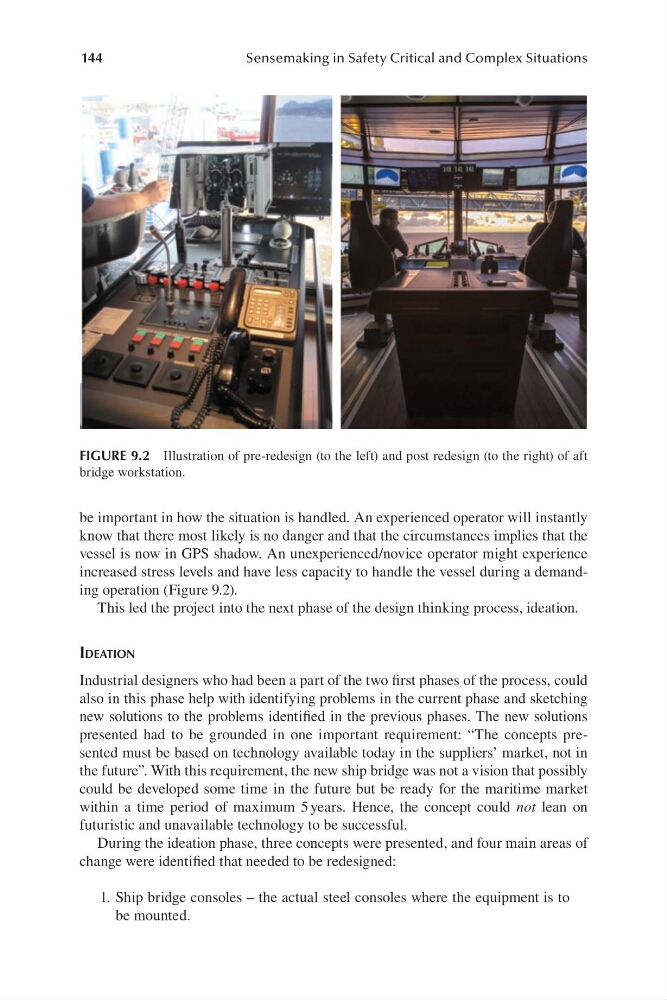
FIGURE 9.2 Illustration of pre-redesign ( to the left) and post redesign (t o the right) of aft
bridge workstation.
be important in how the situation is handled. An experienced operator will instantly
know that there most likely is no danger and that the circumstances implies that the
vessel is now in GPS shadow. An unexperienced/ novice operator might experience
increased stress levels and have less capacity to handle the vessel during a demanding operation (Figure 9.2).
This led the project into the next phase of the design thinking process, ideation.
iDeation
Industrial designers who had been a part of the two first phases of the process, could
also in this phase help with identifying problems in the current phase and sketching
new solutions to the problems identified in the previous phases. The new solutions
presented had to be grounded in one important requirement: “T he concepts presented must be based on technology available today in the suppliers’ market, not in
the future”. With this requirement, the new ship bridge was not a vision that possibly
could be developed some time in the future but be ready for the maritime market
within a time period of maximum 5 years. Hence, the concept could not lean on
futuristic and unavailable technology to be successful.
During the ideation phase, three concepts were presented, and four main areas of
change were identified that needed to be redesigned:
1. Ship bridge c onsoles – the actual steel consoles where the equipment is to
be mounted.
Sensemaking in Safety Critical and Complex Situations
FIGURE 9.2 Illustration of pre-redesign ( to the left) and post redesign (t o the right) of aft
bridge workstation.
be important in how the situation is handled. An experienced operator will instantly
know that there most likely is no danger and that the circumstances implies that the
vessel is now in GPS shadow. An unexperienced/ novice operator might experience
increased stress levels and have less capacity to handle the vessel during a demanding operation (Figure 9.2).
This led the project into the next phase of the design thinking process, ideation.
iDeation
Industrial designers who had been a part of the two first phases of the process, could
also in this phase help with identifying problems in the current phase and sketching
new solutions to the problems identified in the previous phases. The new solutions
presented had to be grounded in one important requirement: “T he concepts presented must be based on technology available today in the suppliers’ market, not in
the future”. With this requirement, the new ship bridge was not a vision that possibly
could be developed some time in the future but be ready for the maritime market
within a time period of maximum 5 years. Hence, the concept could not lean on
futuristic and unavailable technology to be successful.
During the ideation phase, three concepts were presented, and four main areas of
change were identified that needed to be redesigned:
1. Ship bridge c onsoles – the actual steel consoles where the equipment is to
be mounted.