

143
Unified Bridge
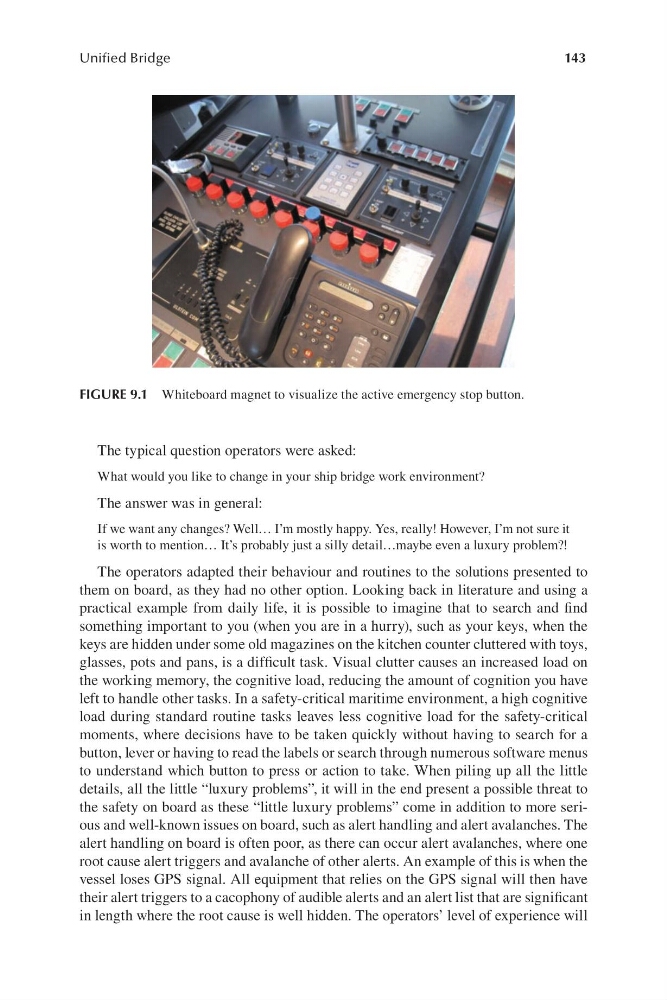
FIGURE 9.1 Whiteboard magnet to visualize the active emergency stop button.
The typical question operators were asked:
What would you like to change in your ship bridge work environment?
The answer was in general:
If we want any changes? Well… I’m mostly happy. Yes, really! However, I’m not sure it
is worth to mention… It’s probably just a silly detail…maybe even a luxury problem?!
The operators adapted their behaviour and routines to the solutions presented to
them on board, as they had no other option. Looking back in literature and using a
practical example from daily life, it is possible to imagine that to search and find
something important to you ( when you are in a hurry), such as your keys, when the
keys are hidden under some old magazines on the kitchen counter cluttered with toys,
glasses, pots and pans, is a difficult task. Visual clutter causes an increased load on
the working memory, the cognitive load, reducing the amount of cognition you have
left to handle other tasks. In a s afety-critical maritime environment, a high cognitive
load during standard routine tasks leaves less cognitive load for the s afety-critical
moments, where decisions have to be taken quickly without having to search for a
button, lever or having to read the labels or search through numerous software menus
to understand which button to press or action to take. When piling up all the little
details, all the little “l uxury problems”, it will in the end present a possible threat to
the safety on board as these “l ittle luxury problems” come in addition to more serious and well-known issues on board, such as alert handling and alert avalanches. The
alert handling on board is often poor, as there can occur alert avalanches, where one
root cause alert triggers and avalanche of other alerts. An example of this is when the
vessel loses GPS signal. All equipment that relies on the GPS signal will then have
their alert triggers to a cacophony of audible alerts and an alert list that are significant
in length where the root cause is well hidden. The operators’ level of experience will
Unified Bridge
FIGURE 9.1 Whiteboard magnet to visualize the active emergency stop button.
The typical question operators were asked:
What would you like to change in your ship bridge work environment?
The answer was in general:
If we want any changes? Well… I’m mostly happy. Yes, really! However, I’m not sure it
is worth to mention… It’s probably just a silly detail…maybe even a luxury problem?!
The operators adapted their behaviour and routines to the solutions presented to
them on board, as they had no other option. Looking back in literature and using a
practical example from daily life, it is possible to imagine that to search and find
something important to you ( when you are in a hurry), such as your keys, when the
keys are hidden under some old magazines on the kitchen counter cluttered with toys,
glasses, pots and pans, is a difficult task. Visual clutter causes an increased load on
the working memory, the cognitive load, reducing the amount of cognition you have
left to handle other tasks. In a s afety-critical maritime environment, a high cognitive
load during standard routine tasks leaves less cognitive load for the s afety-critical
moments, where decisions have to be taken quickly without having to search for a
button, lever or having to read the labels or search through numerous software menus
to understand which button to press or action to take. When piling up all the little
details, all the little “l uxury problems”, it will in the end present a possible threat to
the safety on board as these “l ittle luxury problems” come in addition to more serious and well-known issues on board, such as alert handling and alert avalanches. The
alert handling on board is often poor, as there can occur alert avalanches, where one
root cause alert triggers and avalanche of other alerts. An example of this is when the
vessel loses GPS signal. All equipment that relies on the GPS signal will then have
their alert triggers to a cacophony of audible alerts and an alert list that are significant
in length where the root cause is well hidden. The operators’ level of experience will