

593
Hydrocracking
Highly aromatic or refractory recycle stocks or gas oils that contain varying proportions of
highly condensed aromatic structures (e.g., naphthalene and phenanthrene) usually crack, in the
absence of hydrogen, to yield intractable residues and coke (Speight and Ozum, 2002; Dehghani
et al., 2009).
An essential difference between pyrolysis (thermal decomposition, usually in the absence of
any added agent) and hydrogenolysis (thermal decomposition in the presence of hydrogen and
a catalyst or a hydrogen-donating solvent) of petroleum is that in pyrolysis, a certain amount of
polymerized heavier products, like cracked residuum and coke, is always formed along with the
light products, such as gas and gasoline. During hydrogenolysis (destructive hydrogenation),
polymerization may be partly or even entirely prevented so that only light products are formed.
The prevention of coke formation usually results in an increased distillate (e.g., gasoline) yield.
The condensed type of molecule, such as naphthalene or phenanthrene, is one that is closely associated with the formation of coke, but in an atmosphere of hydrogen and in contact with catalysts,
these condensed molecules are converted into lower molecular weight saturated compounds that
boil within the gasoline range.
The mechanism of hydrocracking is basically similar to that of catalytic cracking, but with
concurrent hydrogenation. The catalyst assists in the production of carbonium ions via olefin intermediates, and these intermediates are quickly hydrogenated under the high-hydrogen
partial pressures employed in hydrocracking. The rapid hydrogenation prevents adsorption of
olefins on the catalyst and, hence, prevents their subsequent dehydrogenation, which ultimately
leads to coke formation so that long on-stream times can be obtained without the necessity of
catalyst regeneration.
One of the most important reactions in hydrocracking is the partial hydrogenation of polycyclic
aromatics followed by rupture of the saturated rings to form substituted monocyclic aromatics. The
side chains may then be split off to give iso-paraffins. It is desirable to avoid excessive hydrogenation activity of the catalyst so that the monocyclic aromatics become hydrogenated to naphthenes;
furthermore, repeated hydrogenation leads to loss in octane number, which increases the catalytic
reforming required to process the hydrocracked naphtha.
Side chains of three or four carbon atoms are easily removed from an aromatic ring during
catalytic cracking, but the reaction of aromatic rings with shorter side chains appears to be quite
different. For example, hydrocracking single-ring aromatics containing four or more methyl groups
produces largely iso-butane and benzene. It may be that successive isomerization of the feed molecule adsorbed on the catalyst occurs until a four-carbon side chain is formed, which then breaks
Visbreaking
Hydrotreating
Hydropyrolysis
Hydrocracking
Hydrovisbreaking
Catalytic cracking
100%
80%
60%
40%
20%
0%
Coking
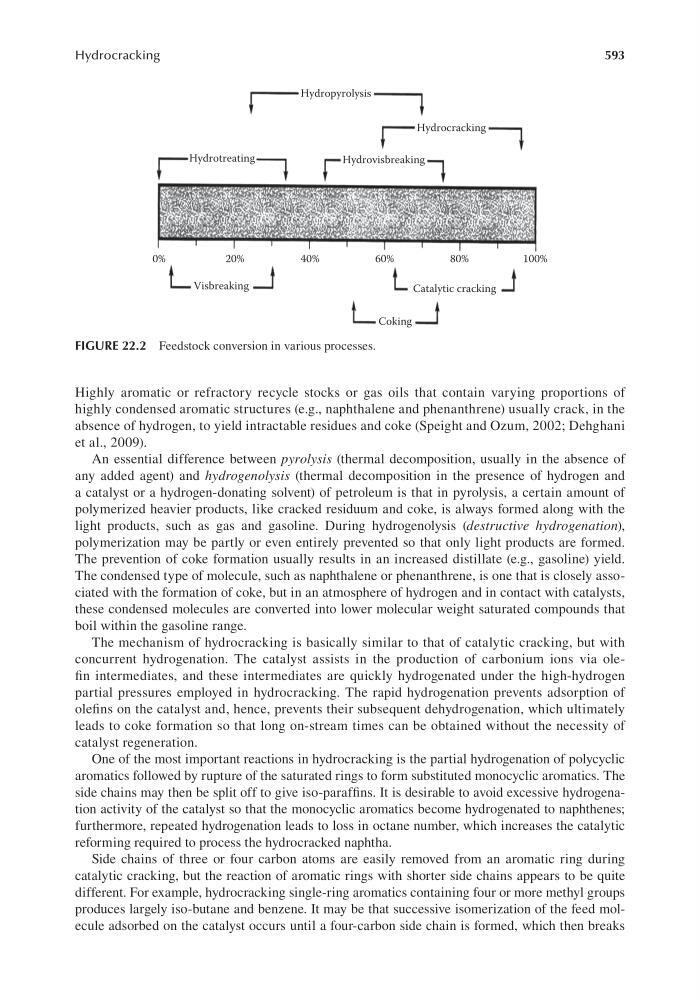
FIGURE 22.2 Feedstock conversion in various processes.
Hydrocracking
Highly aromatic or refractory recycle stocks or gas oils that contain varying proportions of
highly condensed aromatic structures (e.g., naphthalene and phenanthrene) usually crack, in the
absence of hydrogen, to yield intractable residues and coke (Speight and Ozum, 2002; Dehghani
et al., 2009).
An essential difference between pyrolysis (thermal decomposition, usually in the absence of
any added agent) and hydrogenolysis (thermal decomposition in the presence of hydrogen and
a catalyst or a hydrogen-donating solvent) of petroleum is that in pyrolysis, a certain amount of
polymerized heavier products, like cracked residuum and coke, is always formed along with the
light products, such as gas and gasoline. During hydrogenolysis (destructive hydrogenation),
polymerization may be partly or even entirely prevented so that only light products are formed.
The prevention of coke formation usually results in an increased distillate (e.g., gasoline) yield.
The condensed type of molecule, such as naphthalene or phenanthrene, is one that is closely associated with the formation of coke, but in an atmosphere of hydrogen and in contact with catalysts,
these condensed molecules are converted into lower molecular weight saturated compounds that
boil within the gasoline range.
The mechanism of hydrocracking is basically similar to that of catalytic cracking, but with
concurrent hydrogenation. The catalyst assists in the production of carbonium ions via olefin intermediates, and these intermediates are quickly hydrogenated under the high-hydrogen
partial pressures employed in hydrocracking. The rapid hydrogenation prevents adsorption of
olefins on the catalyst and, hence, prevents their subsequent dehydrogenation, which ultimately
leads to coke formation so that long on-stream times can be obtained without the necessity of
catalyst regeneration.
One of the most important reactions in hydrocracking is the partial hydrogenation of polycyclic
aromatics followed by rupture of the saturated rings to form substituted monocyclic aromatics. The
side chains may then be split off to give iso-paraffins. It is desirable to avoid excessive hydrogenation activity of the catalyst so that the monocyclic aromatics become hydrogenated to naphthenes;
furthermore, repeated hydrogenation leads to loss in octane number, which increases the catalytic
reforming required to process the hydrocracked naphtha.
Side chains of three or four carbon atoms are easily removed from an aromatic ring during
catalytic cracking, but the reaction of aromatic rings with shorter side chains appears to be quite
different. For example, hydrocracking single-ring aromatics containing four or more methyl groups
produces largely iso-butane and benzene. It may be that successive isomerization of the feed molecule adsorbed on the catalyst occurs until a four-carbon side chain is formed, which then breaks
Visbreaking
Hydrotreating
Hydropyrolysis
Hydrocracking
Hydrovisbreaking
Catalytic cracking
100%
80%
60%
40%
20%
0%
Coking
FIGURE 22.2 Feedstock conversion in various processes.