

499
Thermal Cracking
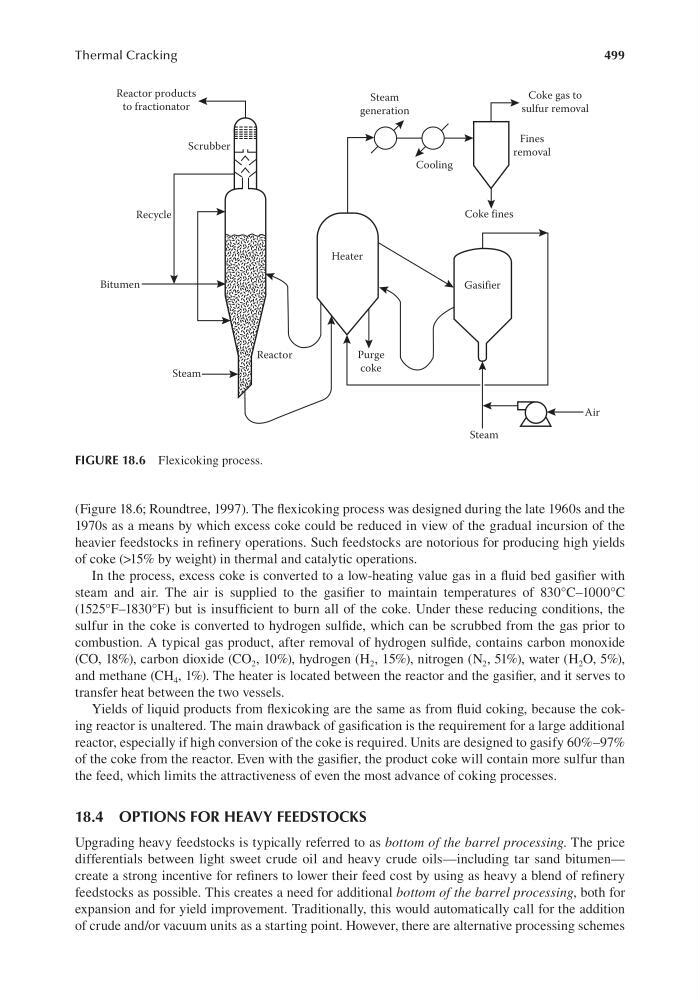
(Figure 18.6; Roundtree, 1997). The flexicoking process was designed during the late 1960s and the
1970s as a means by which excess coke could be reduced in view of the gradual incursion of the
heavier feedstocks in refinery operations. Such feedstocks are notorious for producing high yields
of coke (>15% by weight) in thermal and catalytic operations.
In the process, excess coke is converted to a low-heating value gas in a fluid bed gasifier with
steam and air. The air is supplied to the gasifier to maintain temperatures of 830°C–1000°C
(1525°F–1830°F) but is insufficient to burn all of the coke. Under these reducing conditions, the
sulfur in the coke is converted to hydrogen sulfide, which can be scrubbed from the gas prior to
combustion. A typical gas product, after removal of hydrogen sulfide, contains carbon monoxide
(CO, 18%), carbon dioxide (CO 2 , 10%), hydrogen (H 2 , 15%), nitrogen (N 2 , 51%), water (H 2 O, 5%),
and methane (CH 4 , 1%). The heater is located between the reactor and the gasifier, and it serves to
transfer heat between the two vessels.
Yields of liquid products from flexicoking are the same as from fluid coking, because the coking reactor is unaltered. The main drawback of gasification is the requirement for a large additional
reactor, especially if high conversion of the coke is required. Units are designed to gasify 60%–97%
of the coke from the reactor. Even with the gasifier, the product coke will contain more sulfur than
the feed, which limits the attractiveness of even the most advance of coking processes.
18.4 OPTIONS FOR HEAVY FEEDSTOCKS
Upgrading heavy feedstocks is typically referred to as bottom of the barrel processing. The price
differentials between light sweet crude oil and heavy crude oils—including tar sand bitumen—
create a strong incentive for refiners to lower their feed cost by using as heavy a blend of refinery
feedstocks as possible. This creates a need for additional bottom of the barrel processing, both for
expansion and for yield improvement. Traditionally, this would automatically call for the addition
of crude and/or vacuum units as a starting point. However, there are alternative processing schemes
Reactor products
to fractionator
Steam
generation
Cooling
Coke fines
Fines
removal
Coke gas to
sulfur removal
Gasifier
Air
Heater
Purge
coke
Reactor
Steam
Bitumen
Scrubber
Recycle
Steam
FIGURE 18.6 Flexicoking process.