

463
Distillation
accordingly. In such a case, the products will be named accordingly using the prefix cracked, for
example, cracked residuum in which case the term pitch (Chapter 1) is applied.
17.3.1 AtmosPHerIC Pressure dIstIllAtIon
The present-day petroleum distillation unit is, in fact, a collection of distillation units that enable a
fairly efficient degree of fractionation to be achieved. In contrast to the early units, which consisted
of separate stills, a tower is used in the modern-day refinery.
It is common practice to use furnaces to heat the feedstock only when distillation temperatures
above 205°C (400°F) are required. Lower temperatures (such as that used in the redistillation of
naphtha and similar low-boiling products) are provided by heat exchangers and/or steam reboilers.
To vacuum system
Vacuum
residuum
Lubricating oils
Residuum
Vacuum
tower
Vacuum
gas oil
Furnace
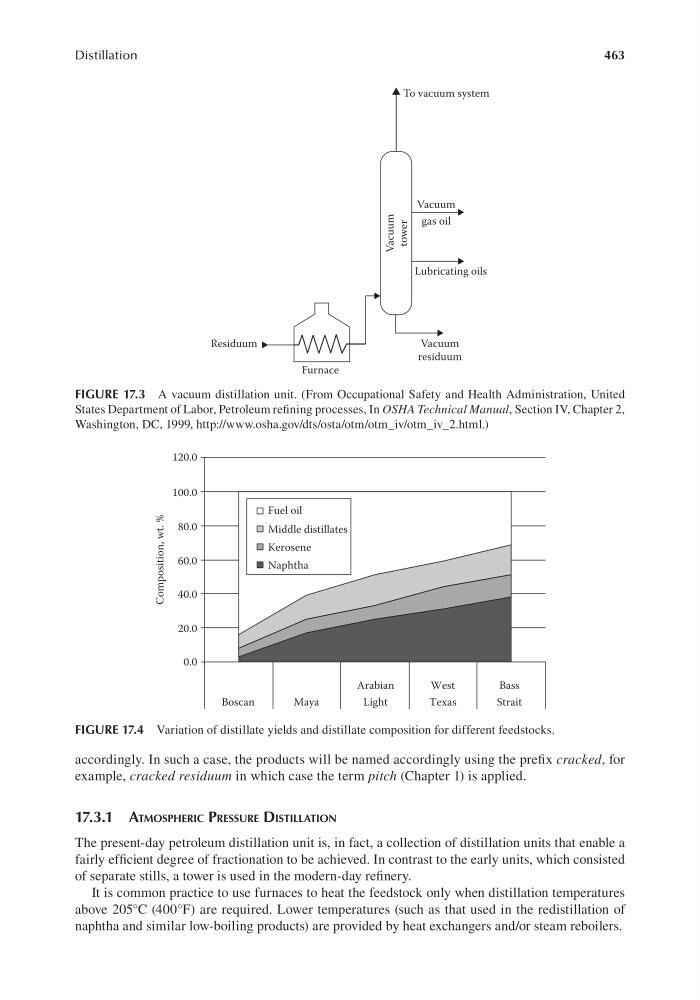
FIGURE 17.3 A vacuum distillation unit. (From Occupational Safety and Health Administration, United
States Department of Labor, Petroleum refining processes, In OSHA Technical Manual, Section IV, Chapter 2,
Washington, DC, 1999, http://www.osha.gov/dts/osta/otm/otm_iv/otm_iv_2.html.)
0.0
20.0
40.0
60.0
80.0
100.0
120.0
Arabian
Light
West
Texas
Bass
Strait
Boscan
Maya
Composition, wt. %
Fuel oil
Middle distillates
Kerosene
Naphtha
FIGURE 17.4 Variation of distillate yields and distillate composition for different feedstocks.