

era, delivered by the computer screen on the ceiling that can be shifted anytime by the programmer
following the content provided by the museum curator. This virtual reality (VR) area is a Heterotopia
space because in this empty physical space, by using VR glasses, the visitors experience a VR tour
of cultural spaces within the Bible. When experiencing the virtual space, it is as if visitors have
traveled through the past time-space dimension, deriving a hyper-reality.
Hyper-reality is a spatial experience generated through simulation. Here, metaphysic representation, the vanishing of reality ideology, duplication of nostalgic, and fantasy world replaces
the form-meaning (Piliang 1999, 2004). Digital technology was also applied in the World Stage
Theatre, where walls and ceilings were covered by digital screens. This condition resulted in a
continuously changing spatial image adjusting with the presentation currently displayed on the
front screen, creating a 360˚ virtual perception.
3.3 Heterotopia space characteristic of a Louis Vuitton Store
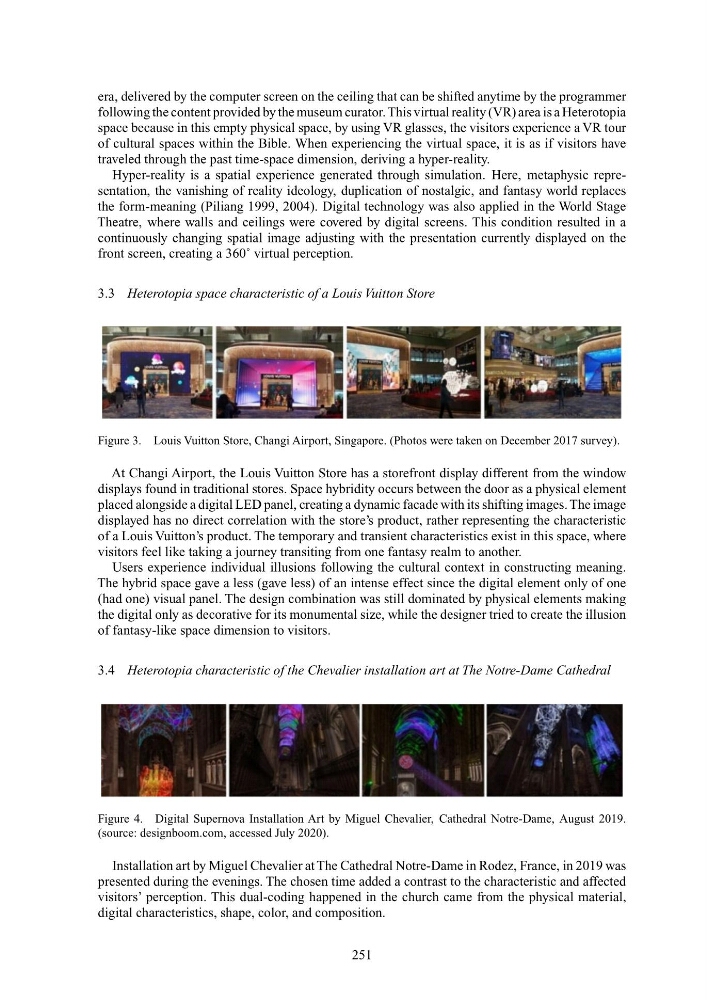
Figure 3. Louis Vuitton Store, Changi Airport, Singapore. (Photos were taken on December 2017 survey).
At Changi Airport, the Louis Vuitton Store has a storefront display different from the window
displays found in traditional stores. Space hybridity occurs between the door as a physical element
placed alongside a digital LED panel, creating a dynamic facade with its shifting images. The image
displayed has no direct correlation with the store’s product, rather representing the characteristic
of a Louis Vuitton’s product. The temporary and transient characteristics exist in this space, where
visitors feel like taking a journey transiting from one fantasy realm to another.
Users experience individual illusions following the cultural context in constructing meaning.
The hybrid space gave a less (gave less) of an intense effect since the digital element only of one
(had one) visual panel. The design combination was still dominated by physical elements making
the digital only as decorative for its monumental size, while the designer tried to create the illusion
of fantasy-like space dimension to visitors.
3.4 Heterotopia characteristic of the Chevalier installation art at The Notre-Dame Cathedral
Figure 4. Digital Supernova Installation Art by Miguel Chevalier, Cathedral Notre-Dame, August 2019.
(source: designboom.com, accessed July 2020).
Installation art by Miguel Chevalier at The Cathedral Notre-Dame in Rodez, France, in 2019 was
presented during the evenings. The chosen time added a contrast to the characteristic and affected
visitors’ perception. This dual-coding happened in the church came from the physical material,
digital characteristics, shape, color, and composition.
251
following the content provided by the museum curator. This virtual reality (VR) area is a Heterotopia
space because in this empty physical space, by using VR glasses, the visitors experience a VR tour
of cultural spaces within the Bible. When experiencing the virtual space, it is as if visitors have
traveled through the past time-space dimension, deriving a hyper-reality.
Hyper-reality is a spatial experience generated through simulation. Here, metaphysic representation, the vanishing of reality ideology, duplication of nostalgic, and fantasy world replaces
the form-meaning (Piliang 1999, 2004). Digital technology was also applied in the World Stage
Theatre, where walls and ceilings were covered by digital screens. This condition resulted in a
continuously changing spatial image adjusting with the presentation currently displayed on the
front screen, creating a 360˚ virtual perception.
3.3 Heterotopia space characteristic of a Louis Vuitton Store
Figure 3. Louis Vuitton Store, Changi Airport, Singapore. (Photos were taken on December 2017 survey).
At Changi Airport, the Louis Vuitton Store has a storefront display different from the window
displays found in traditional stores. Space hybridity occurs between the door as a physical element
placed alongside a digital LED panel, creating a dynamic facade with its shifting images. The image
displayed has no direct correlation with the store’s product, rather representing the characteristic
of a Louis Vuitton’s product. The temporary and transient characteristics exist in this space, where
visitors feel like taking a journey transiting from one fantasy realm to another.
Users experience individual illusions following the cultural context in constructing meaning.
The hybrid space gave a less (gave less) of an intense effect since the digital element only of one
(had one) visual panel. The design combination was still dominated by physical elements making
the digital only as decorative for its monumental size, while the designer tried to create the illusion
of fantasy-like space dimension to visitors.
3.4 Heterotopia characteristic of the Chevalier installation art at The Notre-Dame Cathedral
Figure 4. Digital Supernova Installation Art by Miguel Chevalier, Cathedral Notre-Dame, August 2019.
(source: designboom.com, accessed July 2020).
Installation art by Miguel Chevalier at The Cathedral Notre-Dame in Rodez, France, in 2019 was
presented during the evenings. The chosen time added a contrast to the characteristic and affected
visitors’ perception. This dual-coding happened in the church came from the physical material,
digital characteristics, shape, color, and composition.
251