

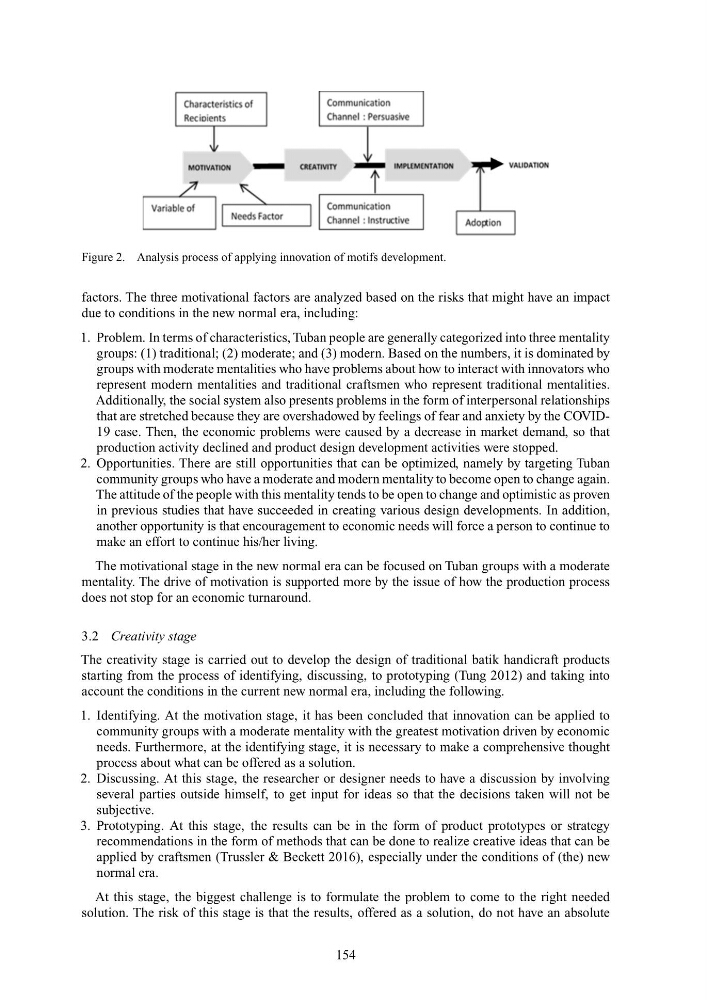
Figure 2. Analysis process of applying innovation of motifs development.
factors. The three motivational factors are analyzed based on the risks that might have an impact
due to conditions in the new normal era, including:
1. Problem. In terms of characteristics, Tuban people are generally categorized into three mentality
groups: (1) traditional; (2) moderate; and (3) modern. Based on the numbers, it is dominated by
groups with moderate mentalities who have problems about how to interact with innovators who
represent modern mentalities and traditional craftsmen who represent traditional mentalities.
Additionally, the social system also presents problems in the form of interpersonal relationships
that are stretched because they are overshadowed by feelings of fear and anxiety by the COVID19 case. Then, the economic problems were caused by a decrease in market demand, so that
production activity declined and product design development activities were stopped.
2. Opportunities. There are still opportunities that can be optimized, namely by targeting Tuban
community groups who have a moderate and modern mentality to become open to change again.
The attitude of the people with this mentality tends to be open to change and optimistic as proven
in previous studies that have succeeded in creating various design developments. In addition,
another opportunity is that encouragement to economic needs will force a person to continue to
make an effort to continue his/her living.
The motivational stage in the new normal era can be focused on Tuban groups with a moderate
mentality. The drive of motivation is supported more by the issue of how the production process
does not stop for an economic turnaround.
3.2 Creativity stage
The creativity stage is carried out to develop the design of traditional batik handicraft products
starting from the process of identifying, discussing, to prototyping (Tung 2012) and taking into
account the conditions in the current new normal era, including the following.
1. Identifying. At the motivation stage, it has been concluded that innovation can be applied to
community groups with a moderate mentality with the greatest motivation driven by economic
needs. Furthermore, at the identifying stage, it is necessary to make a comprehensive thought
process about what can be offered as a solution.
2. Discussing. At this stage, the researcher or designer needs to have a discussion by involving
several parties outside himself, to get input for ideas so that the decisions taken will not be
subjective.
3. Prototyping. At this stage, the results can be in the form of product prototypes or strategy
recommendations in the form of methods that can be done to realize creative ideas that can be
applied by craftsmen (Trussler & Beckett 2016), especially under the conditions of (the) new
normal era.
At this stage, the biggest challenge is to formulate the problem to come to the right needed
solution. The risk of this stage is that the results, offered as a solution, do not have an absolute
154
factors. The three motivational factors are analyzed based on the risks that might have an impact
due to conditions in the new normal era, including:
1. Problem. In terms of characteristics, Tuban people are generally categorized into three mentality
groups: (1) traditional; (2) moderate; and (3) modern. Based on the numbers, it is dominated by
groups with moderate mentalities who have problems about how to interact with innovators who
represent modern mentalities and traditional craftsmen who represent traditional mentalities.
Additionally, the social system also presents problems in the form of interpersonal relationships
that are stretched because they are overshadowed by feelings of fear and anxiety by the COVID19 case. Then, the economic problems were caused by a decrease in market demand, so that
production activity declined and product design development activities were stopped.
2. Opportunities. There are still opportunities that can be optimized, namely by targeting Tuban
community groups who have a moderate and modern mentality to become open to change again.
The attitude of the people with this mentality tends to be open to change and optimistic as proven
in previous studies that have succeeded in creating various design developments. In addition,
another opportunity is that encouragement to economic needs will force a person to continue to
make an effort to continue his/her living.
The motivational stage in the new normal era can be focused on Tuban groups with a moderate
mentality. The drive of motivation is supported more by the issue of how the production process
does not stop for an economic turnaround.
3.2 Creativity stage
The creativity stage is carried out to develop the design of traditional batik handicraft products
starting from the process of identifying, discussing, to prototyping (Tung 2012) and taking into
account the conditions in the current new normal era, including the following.
1. Identifying. At the motivation stage, it has been concluded that innovation can be applied to
community groups with a moderate mentality with the greatest motivation driven by economic
needs. Furthermore, at the identifying stage, it is necessary to make a comprehensive thought
process about what can be offered as a solution.
2. Discussing. At this stage, the researcher or designer needs to have a discussion by involving
several parties outside himself, to get input for ideas so that the decisions taken will not be
subjective.
3. Prototyping. At this stage, the results can be in the form of product prototypes or strategy
recommendations in the form of methods that can be done to realize creative ideas that can be
applied by craftsmen (Trussler & Beckett 2016), especially under the conditions of (the) new
normal era.
At this stage, the biggest challenge is to formulate the problem to come to the right needed
solution. The risk of this stage is that the results, offered as a solution, do not have an absolute
154