

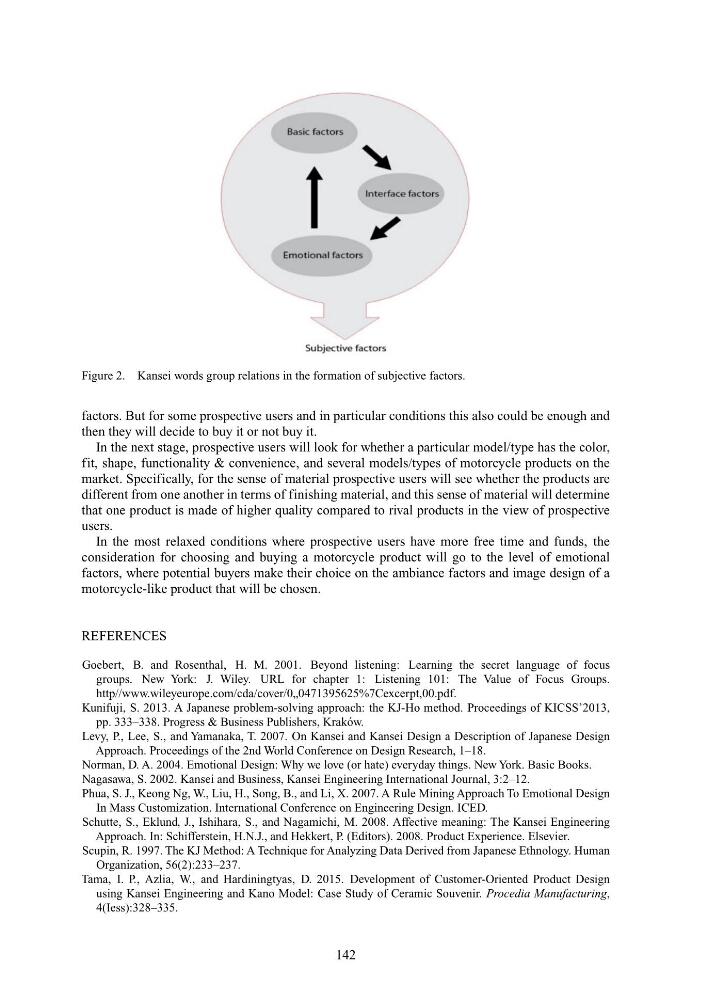
Figure 2. Kansei words group relations in the formation of subjective factors.
factors. But for some prospective users and in particular conditions this also could be enough and
then they will decide to buy it or not buy it.
In the next stage, prospective users will look for whether a particular model/type has the color,
fit, shape, functionality & convenience, and several models/types of motorcycle products on the
market. Specifically, for the sense of material prospective users will see whether the products are
different from one another in terms of finishing material, and this sense of material will determine
that one product is made of higher quality compared to rival products in the view of prospective
users.
In the most relaxed conditions where prospective users have more free time and funds, the
consideration for choosing and buying a motorcycle product will go to the level of emotional
factors, where potential buyers make their choice on the ambiance factors and image design of a
motorcycle-like product that will be chosen.
REFERENCES
Goebert, B. and Rosenthal, H. M. 2001. Beyond listening: Learning the secret language of focus
groups. New York: J. Wiley. URL for chapter 1: Listening 101: The Value of Focus Groups.
http//www.wileyeurope.com/cda/cover/0„0471395625%7Cexcerpt,00.pdf.
Kunifuji, S. 2013. A Japanese problem-solving approach: the KJ-Ho method. Proceedings of KICSS’2013,
pp. 333–338. Progress & Business Publishers, Kraków.
Levy, P., Lee, S., and Yamanaka, T. 2007. On Kansei and Kansei Design a Description of Japanese Design
Approach. Proceedings of the 2nd World Conference on Design Research, 1–18.
Norman, D. A. 2004. Emotional Design: Why we love (or hate) everyday things. New York. Basic Books.
Nagasawa, S. 2002. Kansei and Business, Kansei Engineering International Journal, 3:2–12.
Phua, S. J., Keong Ng, W., Liu, H., Song, B., and Li, X. 2007. A Rule Mining Approach To Emotional Design
In Mass Customization. International Conference on Engineering Design. ICED.
Schutte, S., Eklund, J., Ishihara, S., and Nagamichi, M. 2008. Affective meaning: The Kansei Engineering
Approach. In: Schifferstein, H.N.J., and Hekkert, P. (Editors). 2008. Product Experience. Elsevier.
Scupin, R. 1997. The KJ Method: A Technique for Analyzing Data Derived from Japanese Ethnology. Human
Organization, 56(2):233–237.
Tama, I. P., Azlia, W., and Hardiningtyas, D. 2015. Development of Customer-Oriented Product Design
using Kansei Engineering and Kano Model: Case Study of Ceramic Souvenir. Procedia Manufacturing,
4(Iess):328–335.
142
factors. But for some prospective users and in particular conditions this also could be enough and
then they will decide to buy it or not buy it.
In the next stage, prospective users will look for whether a particular model/type has the color,
fit, shape, functionality & convenience, and several models/types of motorcycle products on the
market. Specifically, for the sense of material prospective users will see whether the products are
different from one another in terms of finishing material, and this sense of material will determine
that one product is made of higher quality compared to rival products in the view of prospective
users.
In the most relaxed conditions where prospective users have more free time and funds, the
consideration for choosing and buying a motorcycle product will go to the level of emotional
factors, where potential buyers make their choice on the ambiance factors and image design of a
motorcycle-like product that will be chosen.
REFERENCES
Goebert, B. and Rosenthal, H. M. 2001. Beyond listening: Learning the secret language of focus
groups. New York: J. Wiley. URL for chapter 1: Listening 101: The Value of Focus Groups.
http//www.wileyeurope.com/cda/cover/0„0471395625%7Cexcerpt,00.pdf.
Kunifuji, S. 2013. A Japanese problem-solving approach: the KJ-Ho method. Proceedings of KICSS’2013,
pp. 333–338. Progress & Business Publishers, Kraków.
Levy, P., Lee, S., and Yamanaka, T. 2007. On Kansei and Kansei Design a Description of Japanese Design
Approach. Proceedings of the 2nd World Conference on Design Research, 1–18.
Norman, D. A. 2004. Emotional Design: Why we love (or hate) everyday things. New York. Basic Books.
Nagasawa, S. 2002. Kansei and Business, Kansei Engineering International Journal, 3:2–12.
Phua, S. J., Keong Ng, W., Liu, H., Song, B., and Li, X. 2007. A Rule Mining Approach To Emotional Design
In Mass Customization. International Conference on Engineering Design. ICED.
Schutte, S., Eklund, J., Ishihara, S., and Nagamichi, M. 2008. Affective meaning: The Kansei Engineering
Approach. In: Schifferstein, H.N.J., and Hekkert, P. (Editors). 2008. Product Experience. Elsevier.
Scupin, R. 1997. The KJ Method: A Technique for Analyzing Data Derived from Japanese Ethnology. Human
Organization, 56(2):233–237.
Tama, I. P., Azlia, W., and Hardiningtyas, D. 2015. Development of Customer-Oriented Product Design
using Kansei Engineering and Kano Model: Case Study of Ceramic Souvenir. Procedia Manufacturing,
4(Iess):328–335.
142