

407
− Maximum use of mineral equipment capacity.
− Minimizing deviations from long-term production Scheduling.
− Ensuring that the mentioned goals can be achieved in the coming years or months.
− Considering the angles of steady slope in different parts of the mine.
− Providing access to all working benches in the mine.
− Ensuring of the required width for maneuvering the shovel and truck on the benches.
If short-term plans could be prepared for mining to achieve all of the above objectives,
it could be claimed that the profits will be maximized. It is worth noting that in the shortterm scheduling, the overall capacity of the equipment is considered, but no plan is prepared
for the machinery at this stage, meaning that the place and time of equipment use is not
determined.
4 DECISION DEPARTMENTS AT OPEN PIT MINES
Given the fact that mining projects are usually long-term projects in which economic problems of current interest have a significant role, an accurate scheduling is required to design
and implement them based on different factors. For this purpose, three intervals are considered in open-pit mine production scheduling: long-term, mid-term, and short-term scheduling intervals (Graves 1981).
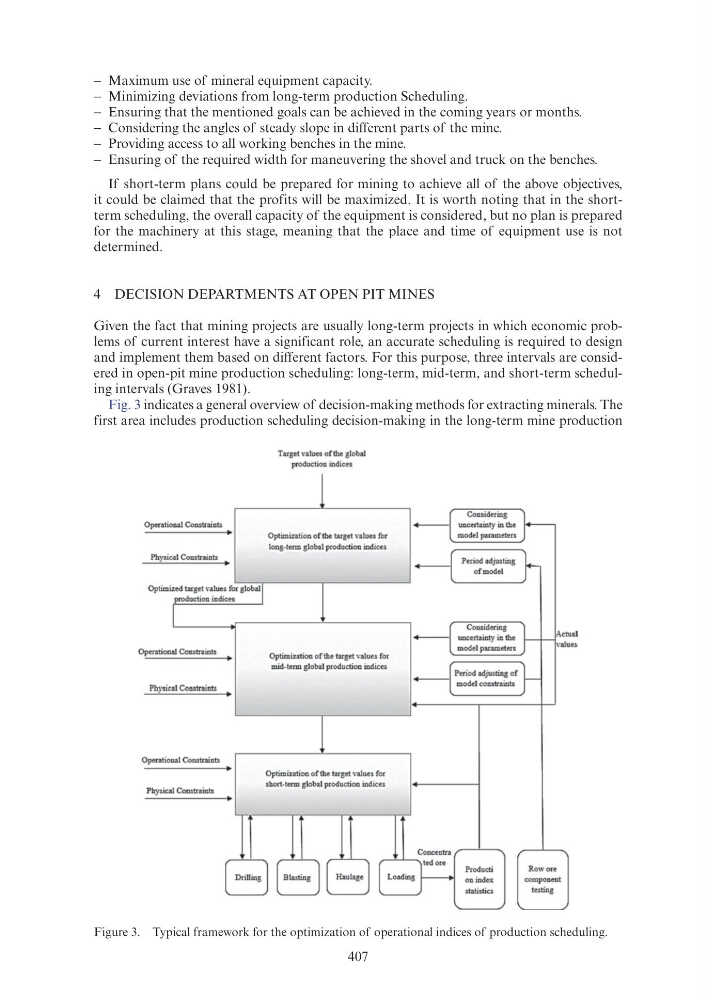
Fig. 3 indicates a general overview of decision-making methods for extracting minerals. The
first area includes production scheduling decision-making in the long-term mine production
Figure 3. Typical framework for the optimization of operational indices of production scheduling.
Operational Constraints
Physical Constraints
Operational Constraints
Physical Constraints
Operational Constraints
Physical Constraints
Target values of the global
production indices
Optimization of the target \:alues for
long-term global production indices
Optimization of the target values for
mid-term global production indices
Optimization of the target values for
short-term global production indices
Concentra .---~-,
Producti
on index
statistics
Row ore
compon~?Dt
testing
− Maximum use of mineral equipment capacity.
− Minimizing deviations from long-term production Scheduling.
− Ensuring that the mentioned goals can be achieved in the coming years or months.
− Considering the angles of steady slope in different parts of the mine.
− Providing access to all working benches in the mine.
− Ensuring of the required width for maneuvering the shovel and truck on the benches.
If short-term plans could be prepared for mining to achieve all of the above objectives,
it could be claimed that the profits will be maximized. It is worth noting that in the shortterm scheduling, the overall capacity of the equipment is considered, but no plan is prepared
for the machinery at this stage, meaning that the place and time of equipment use is not
determined.
4 DECISION DEPARTMENTS AT OPEN PIT MINES
Given the fact that mining projects are usually long-term projects in which economic problems of current interest have a significant role, an accurate scheduling is required to design
and implement them based on different factors. For this purpose, three intervals are considered in open-pit mine production scheduling: long-term, mid-term, and short-term scheduling intervals (Graves 1981).
Fig. 3 indicates a general overview of decision-making methods for extracting minerals. The
first area includes production scheduling decision-making in the long-term mine production
Figure 3. Typical framework for the optimization of operational indices of production scheduling.
Operational Constraints
Physical Constraints
Operational Constraints
Physical Constraints
Operational Constraints
Physical Constraints
Target values of the global
production indices
Optimization of the target \:alues for
long-term global production indices
Optimization of the target values for
mid-term global production indices
Optimization of the target values for
short-term global production indices
Concentra .---~-,
Producti
on index
statistics
Row ore
compon~?Dt
testing