

2. With orbital overlap, bonding character is covalent. Without orbital overlap,
bonding character is ionic.
3 Results and Discussion
3.1 He–H
+ Model
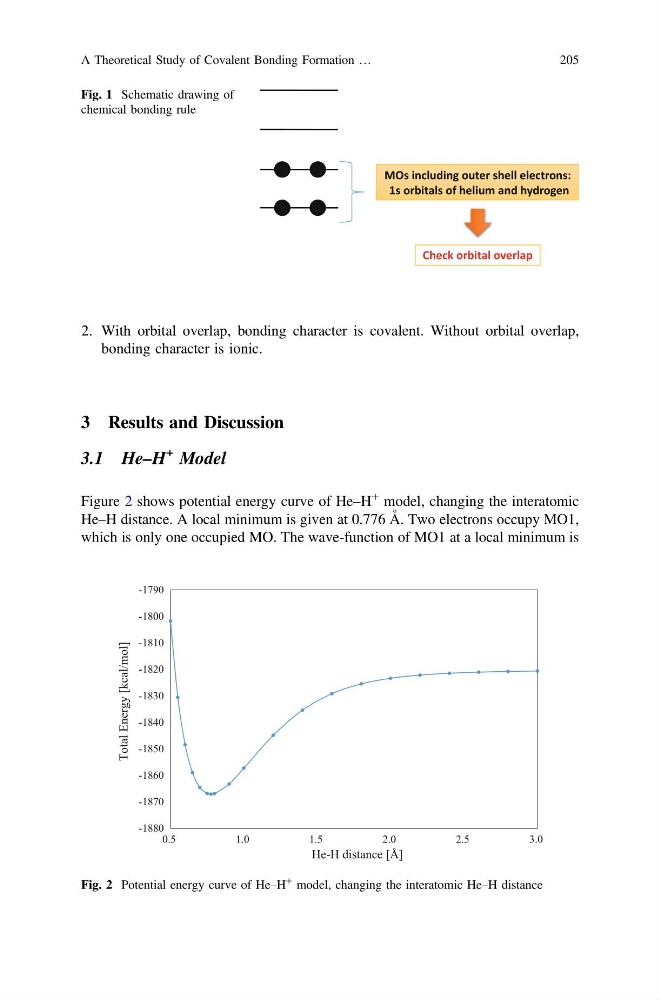
Figure 2 shows potential energy curve of He–H
+ model, changing the interatomic
He–H distance. A local minimum is given at 0.776 Å. Two electrons occupy MO1,
which is only one occupied MO. The wave-function of MO1 at a local minimum is
MOs including outer shell electrons:
1s orbitals of helium and hydrogen
Check orbital overlap
Fig. 1 Schematic drawing of
chemical bonding rule
-1880
-1870
-1860
-1850
-1840
-1830
-1820
-1810
-1800
-1790
0.5
1.0
1.5
2.0
2.5
3.0
Total Energy [kcal/mol]
He-H distance [Å]
Fig. 2 Potential energy curve of He–H
+ model, changing the interatomic He–H distance
A Theoretical Study of Covalent Bonding Formation …
205
bonding character is ionic.
3 Results and Discussion
3.1 He–H
+ Model
Figure 2 shows potential energy curve of He–H
+ model, changing the interatomic
He–H distance. A local minimum is given at 0.776 Å. Two electrons occupy MO1,
which is only one occupied MO. The wave-function of MO1 at a local minimum is
MOs including outer shell electrons:
1s orbitals of helium and hydrogen
Check orbital overlap
Fig. 1 Schematic drawing of
chemical bonding rule
-1880
-1870
-1860
-1850
-1840
-1830
-1820
-1810
-1800
-1790
0.5
1.0
1.5
2.0
2.5
3.0
Total Energy [kcal/mol]
He-H distance [Å]
Fig. 2 Potential energy curve of He–H
+ model, changing the interatomic He–H distance
A Theoretical Study of Covalent Bonding Formation …
205