

involves the nitrogen cycle including oxidative deamination of amino acids under
aerobic condition, the anaerobic or microaerophilic dissimilatory nitrate reduction,
and the aerobic assimilatory ureolytic process that can raise pH and facilitate
carbonate precipitation. Another interesting microbial activity that simultaneously
increases the pH and the concentration of dissolved inorganic carbon is the metabolism of organic acids [78]. In addition to the metabolic activities, carbonate
precipitation can also be achieved by ion exchange process through cell membrane
by unknown mechanism [69, 79].
The bacterial surface is known to serve as a nucleation site for calcite precipitation [80]. The cell wall has negatively charged residues which can bind positively
charged metal ions such as calcium [41, 81]. The bound metal ions (calcium) attract
anions like carbonate, and the reaction leads to precipitation (i.e., calcium carbonate)
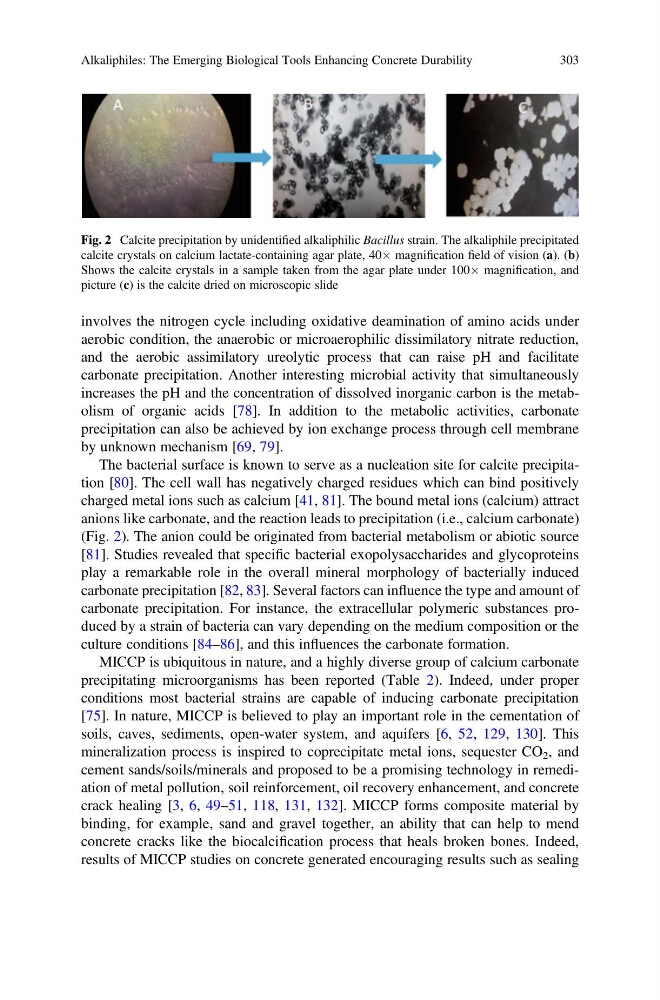
(Fig. 2). The anion could be originated from bacterial metabolism or abiotic source
[81]. Studies revealed that specific bacterial exopolysaccharides and glycoproteins
play a remarkable role in the overall mineral morphology of bacterially induced
carbonate precipitation [82, 83]. Several factors can influence the type and amount of
carbonate precipitation. For instance, the extracellular polymeric substances produced by a strain of bacteria can vary depending on the medium composition or the
culture conditions [84–86], and this influences the carbonate formation.
MICCP is ubiquitous in nature, and a highly diverse group of calcium carbonate
precipitating microorganisms has been reported (Table 2). Indeed, under proper
conditions most bacterial strains are capable of inducing carbonate precipitation
[75]. In nature, MICCP is believed to play an important role in the cementation of
soils, caves, sediments, open-water system, and aquifers [6, 52, 129, 130]. This
mineralization process is inspired to coprecipitate metal ions, sequester CO 2 , and
cement sands/soils/minerals and proposed to be a promising technology in remediation of metal pollution, soil reinforcement, oil recovery enhancement, and concrete
crack healing [3, 6, 49–51, 118, 131, 132]. MICCP forms composite material by
binding, for example, sand and gravel together, an ability that can help to mend
concrete cracks like the biocalcification process that heals broken bones. Indeed,
results of MICCP studies on concrete generated encouraging results such as sealing
Fig. 2 Calcite precipitation by unidentified alkaliphilic Bacillus strain. The alkaliphile precipitated
calcite crystals on calcium lactate-containing agar plate, 40Â magnification field of vision (a). (b)
Shows the calcite crystals in a sample taken from the agar plate under 100Â magnification, and
picture (c) is the calcite dried on microscopic slide
Alkaliphiles: The Emerging Biological Tools Enhancing Concrete Durability
303
aerobic condition, the anaerobic or microaerophilic dissimilatory nitrate reduction,
and the aerobic assimilatory ureolytic process that can raise pH and facilitate
carbonate precipitation. Another interesting microbial activity that simultaneously
increases the pH and the concentration of dissolved inorganic carbon is the metabolism of organic acids [78]. In addition to the metabolic activities, carbonate
precipitation can also be achieved by ion exchange process through cell membrane
by unknown mechanism [69, 79].
The bacterial surface is known to serve as a nucleation site for calcite precipitation [80]. The cell wall has negatively charged residues which can bind positively
charged metal ions such as calcium [41, 81]. The bound metal ions (calcium) attract
anions like carbonate, and the reaction leads to precipitation (i.e., calcium carbonate)
(Fig. 2). The anion could be originated from bacterial metabolism or abiotic source
[81]. Studies revealed that specific bacterial exopolysaccharides and glycoproteins
play a remarkable role in the overall mineral morphology of bacterially induced
carbonate precipitation [82, 83]. Several factors can influence the type and amount of
carbonate precipitation. For instance, the extracellular polymeric substances produced by a strain of bacteria can vary depending on the medium composition or the
culture conditions [84–86], and this influences the carbonate formation.
MICCP is ubiquitous in nature, and a highly diverse group of calcium carbonate
precipitating microorganisms has been reported (Table 2). Indeed, under proper
conditions most bacterial strains are capable of inducing carbonate precipitation
[75]. In nature, MICCP is believed to play an important role in the cementation of
soils, caves, sediments, open-water system, and aquifers [6, 52, 129, 130]. This
mineralization process is inspired to coprecipitate metal ions, sequester CO 2 , and
cement sands/soils/minerals and proposed to be a promising technology in remediation of metal pollution, soil reinforcement, oil recovery enhancement, and concrete
crack healing [3, 6, 49–51, 118, 131, 132]. MICCP forms composite material by
binding, for example, sand and gravel together, an ability that can help to mend
concrete cracks like the biocalcification process that heals broken bones. Indeed,
results of MICCP studies on concrete generated encouraging results such as sealing
Fig. 2 Calcite precipitation by unidentified alkaliphilic Bacillus strain. The alkaliphile precipitated
calcite crystals on calcium lactate-containing agar plate, 40Â magnification field of vision (a). (b)
Shows the calcite crystals in a sample taken from the agar plate under 100Â magnification, and
picture (c) is the calcite dried on microscopic slide
Alkaliphiles: The Emerging Biological Tools Enhancing Concrete Durability
303