

chemicals, heavy metals like chromium, etc [10]. Currently, chemical precipitation
methods are normally employed for the removal of chromium from the effluent, but
that leads to the formation of chrome-bearing solid wastes [11]. Leather processing
can be divided into four vital subprocesses, viz. pre-tanning or beam house operations, tanning, post-tanning and finishing. Figure 2 schematically summarizes the
possible steps in the production of leather through chromium tanning process and
waste generated although there may be a significant variation between tanneries,
depending on the kind of hide processed and quality of leather.
Legal requirements are slowly gaining momentum across the globe in forcing
chemical-based industries including tanneries to apply innovative techniques in
order to attain eco-friendly processing, waste reduction and waste recycling. The
attention of chemical-based manufacturing industries has focused towards
remodelling the processing procedures by incorporating recovery systems and
improving effluent treatment methods to make processing eco-friendly and less
costly and improve product quality. In order to overcome the hazards caused by
excessive use of toxic chemicals in tanneries and protect the environment, enzymes
have been identified as a realistic alternate for beam house operation and waste
management.
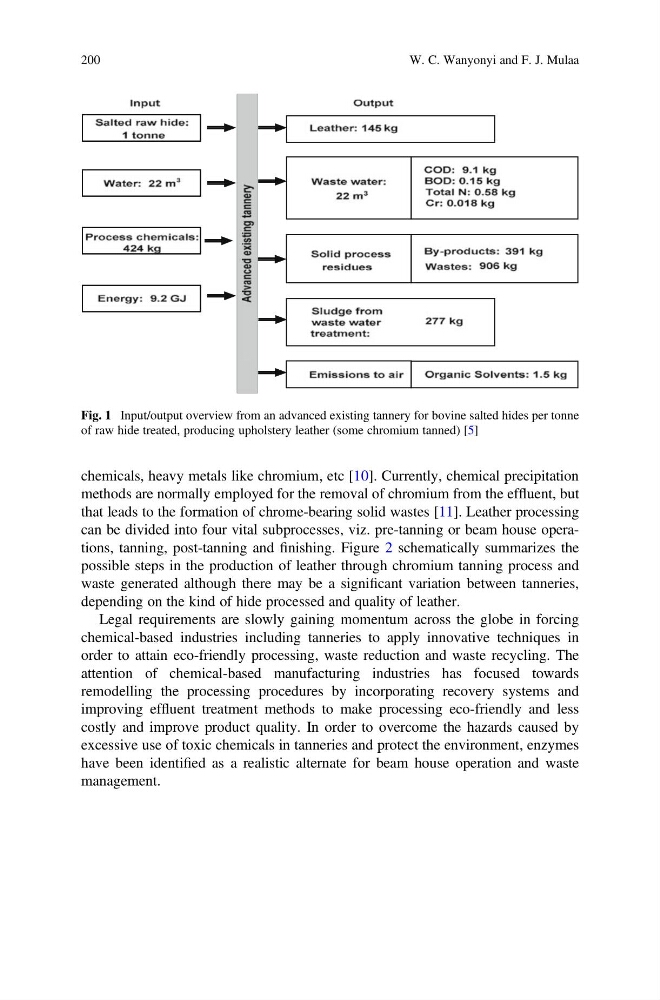
Fig. 1 Input/output overview from an advanced existing tannery for bovine salted hides per tonne
of raw hide treated, producing upholstery leather (some chromium tanned) [5]
200
W. C. Wanyonyi and F. J. Mulaa
methods are normally employed for the removal of chromium from the effluent, but
that leads to the formation of chrome-bearing solid wastes [11]. Leather processing
can be divided into four vital subprocesses, viz. pre-tanning or beam house operations, tanning, post-tanning and finishing. Figure 2 schematically summarizes the
possible steps in the production of leather through chromium tanning process and
waste generated although there may be a significant variation between tanneries,
depending on the kind of hide processed and quality of leather.
Legal requirements are slowly gaining momentum across the globe in forcing
chemical-based industries including tanneries to apply innovative techniques in
order to attain eco-friendly processing, waste reduction and waste recycling. The
attention of chemical-based manufacturing industries has focused towards
remodelling the processing procedures by incorporating recovery systems and
improving effluent treatment methods to make processing eco-friendly and less
costly and improve product quality. In order to overcome the hazards caused by
excessive use of toxic chemicals in tanneries and protect the environment, enzymes
have been identified as a realistic alternate for beam house operation and waste
management.
Fig. 1 Input/output overview from an advanced existing tannery for bovine salted hides per tonne
of raw hide treated, producing upholstery leather (some chromium tanned) [5]
200
W. C. Wanyonyi and F. J. Mulaa