

Theor Chem Acc (2015) 134:104
1 3
property gives the possibility to construct an approximate
matrix W for a larger number of hexagons using the matrix
elements obtained for a smaller number of hexagons. In
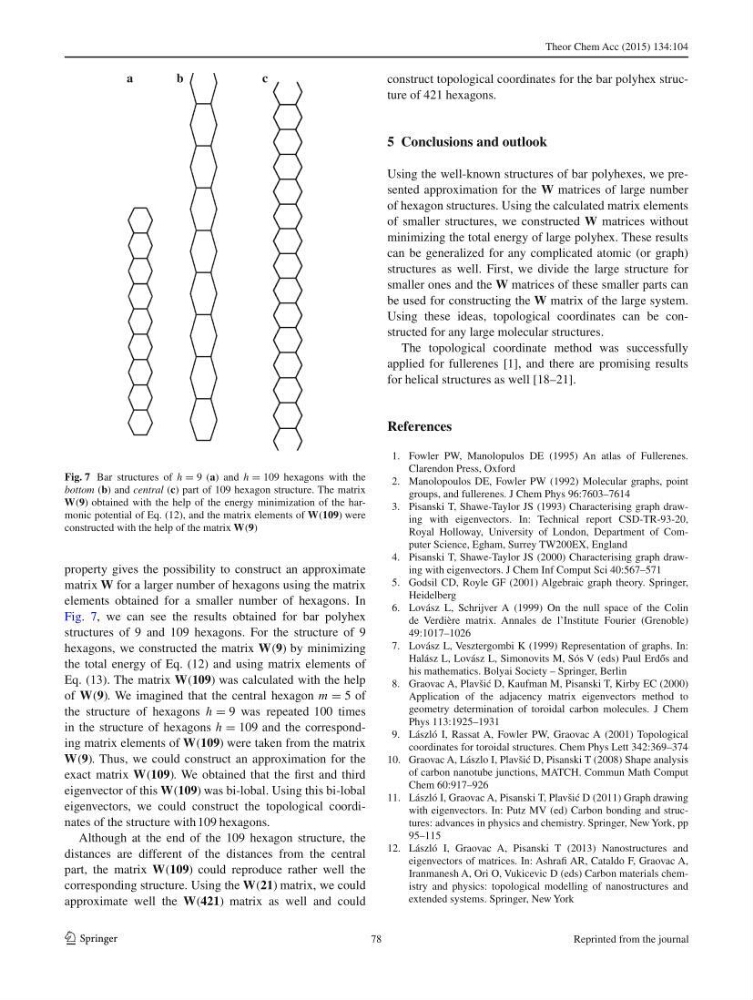
Fig. 7 , we can see the results obtained for bar polyhex
structures of 9 and 109 hexagons. For the structure of 9
hexagons, we constructed the matrix W(9) by minimizing
the total energy of Eq. ( 12 ) and using matrix elements of
Eq. ( 13 ). The matrix W(109) was calculated with the help
of W(9) . We imagined that the central hexagon m = 5 of
the structure of hexagons h = 9 was repeated 100 times
in the structure of hexagons h = 109 and the corresponding matrix elements of W(109) were taken from the matrix
W(9) . Thus, we could construct an approximation for the
exact matrix W(109) . We obtained that the fi rst and third
eigenvector of this W(109) was bi-lobal. Using this bi-lobal
eigenvectors, we could construct the topological coordinates of the structure with 109 hexagons.
Although at the end of the 109 hexagon structure, the
distances are different of the distances from the central
part, the matrix W(109) could reproduce rather well the
corresponding structure. Using the W(21) matrix, we could
approximate well the W(421) matrix as well and could
construct topological coordinates for the bar polyhex structure of 421 hexagons.
5 Conclusions and outlook
Using the well-known structures of bar polyhexes, we presented approximation for the W matrices of large number
of hexagon structures. Using the calculated matrix elements
of smaller structures, we constructed W matrices without
minimizing the total energy of large polyhex. These results
can be generalized for any complicated atomic (or graph)
structures as well. First, we divide the large structure for
smaller ones and the W matrices of these smaller parts can
be used for constructing the W matrix of the large system.
Using these ideas, topological coordinates can be constructed for any large molecular structures.
The topological coordinate method was successfully
applied for fullerenes [ 1 ], and there are promising results
for helical structures as well [ 18 – 21 ].
References
1. Fowler PW, Manolopulos DE (1995) An atlas of Fullerenes.
Clarendon Press, Oxford
2. Manolopoulos DE, Fowler PW (1992) Molecular graphs, point
groups, and fullerenes. J Chem Phys 96:7603–7614
3. Pisanski T, Shawe-Taylor JS (1993) Characterising graph drawing with eigenvectors. In: Technical report CSD-TR-93-20,
Royal Holloway, University of London, Department of Computer Science, Egham, Surrey TW200EX, England
4. Pisanski T, Shawe-Taylor JS (2000) Characterising graph drawing with eigenvectors. J Chem Inf Comput Sci 40:567–571
5. Godsil CD, Royle GF (2001) Algebraic graph theory. Springer,
Heidelberg
6. Lovász L, Schrijver A (1999) On the null space of the Colin
de Verdière matrix. Annales de l’Institute Fourier (Grenoble)
49:1017–1026
7. Lovász L, Vesztergombi K (1999) Representation of graphs. In:
Halász L, Lovász L, Simonovits M, Sós V (eds) Paul Erdős and
his mathematics. Bolyai Society – Springer, Berlin
8. Graovac A, Plavšić D, Kaufman M, Pisanski T, Kirby EC (2000)
Application of the adjacency matrix eigenvectors method to
geometry determination of toroidal carbon molecules. J Chem
Phys 113:1925–1931
9. László I, Rassat A, Fowler PW, Graovac A (2001) Topological
coordinates for toroidal structures. Chem Phys Lett 342:369–374
10. Graovac A, Lászlo I, Plavšić D, Pisanski T (2008) Shape analysis
of carbon nanotube junctions, MATCH. Commun Math Comput
Chem 60:917–926
11. László I, Graovac A, Pisanski T, Plavšić D (2011) Graph drawing
with eigenvectors. In: Putz MV (ed) Carbon bonding and structures: advances in physics and chemistry. Springer, New York, pp
95–115
12. László I, Graovac A, Pisanski T (2013) Nanostructures and
eigenvectors of matrices. In: Ashrafi AR, Cataldo F, Graovac A,
Iranmanesh A, Ori O, Vukicevic D (eds) Carbon materials chemistry and physics: topological modelling of nanostructures and
extended systems. Springer, New York
Fig. 7 Bar structures of h = 9 ( a ) and h = 109 hexagons with the
bottom ( b ) and central ( c ) part of 109 hexagon structure. The matrix
W(9) obtained with the help of the energy minimization of the harmonic potential of Eq. ( 12 ), and the matrix elements of W(109) were
constructed with the help of the matrix W(9)
78
Reprinted from the journal
1 3
property gives the possibility to construct an approximate
matrix W for a larger number of hexagons using the matrix
elements obtained for a smaller number of hexagons. In
Fig. 7 , we can see the results obtained for bar polyhex
structures of 9 and 109 hexagons. For the structure of 9
hexagons, we constructed the matrix W(9) by minimizing
the total energy of Eq. ( 12 ) and using matrix elements of
Eq. ( 13 ). The matrix W(109) was calculated with the help
of W(9) . We imagined that the central hexagon m = 5 of
the structure of hexagons h = 9 was repeated 100 times
in the structure of hexagons h = 109 and the corresponding matrix elements of W(109) were taken from the matrix
W(9) . Thus, we could construct an approximation for the
exact matrix W(109) . We obtained that the fi rst and third
eigenvector of this W(109) was bi-lobal. Using this bi-lobal
eigenvectors, we could construct the topological coordinates of the structure with 109 hexagons.
Although at the end of the 109 hexagon structure, the
distances are different of the distances from the central
part, the matrix W(109) could reproduce rather well the
corresponding structure. Using the W(21) matrix, we could
approximate well the W(421) matrix as well and could
construct topological coordinates for the bar polyhex structure of 421 hexagons.
5 Conclusions and outlook
Using the well-known structures of bar polyhexes, we presented approximation for the W matrices of large number
of hexagon structures. Using the calculated matrix elements
of smaller structures, we constructed W matrices without
minimizing the total energy of large polyhex. These results
can be generalized for any complicated atomic (or graph)
structures as well. First, we divide the large structure for
smaller ones and the W matrices of these smaller parts can
be used for constructing the W matrix of the large system.
Using these ideas, topological coordinates can be constructed for any large molecular structures.
The topological coordinate method was successfully
applied for fullerenes [ 1 ], and there are promising results
for helical structures as well [ 18 – 21 ].
References
1. Fowler PW, Manolopulos DE (1995) An atlas of Fullerenes.
Clarendon Press, Oxford
2. Manolopoulos DE, Fowler PW (1992) Molecular graphs, point
groups, and fullerenes. J Chem Phys 96:7603–7614
3. Pisanski T, Shawe-Taylor JS (1993) Characterising graph drawing with eigenvectors. In: Technical report CSD-TR-93-20,
Royal Holloway, University of London, Department of Computer Science, Egham, Surrey TW200EX, England
4. Pisanski T, Shawe-Taylor JS (2000) Characterising graph drawing with eigenvectors. J Chem Inf Comput Sci 40:567–571
5. Godsil CD, Royle GF (2001) Algebraic graph theory. Springer,
Heidelberg
6. Lovász L, Schrijver A (1999) On the null space of the Colin
de Verdière matrix. Annales de l’Institute Fourier (Grenoble)
49:1017–1026
7. Lovász L, Vesztergombi K (1999) Representation of graphs. In:
Halász L, Lovász L, Simonovits M, Sós V (eds) Paul Erdős and
his mathematics. Bolyai Society – Springer, Berlin
8. Graovac A, Plavšić D, Kaufman M, Pisanski T, Kirby EC (2000)
Application of the adjacency matrix eigenvectors method to
geometry determination of toroidal carbon molecules. J Chem
Phys 113:1925–1931
9. László I, Rassat A, Fowler PW, Graovac A (2001) Topological
coordinates for toroidal structures. Chem Phys Lett 342:369–374
10. Graovac A, Lászlo I, Plavšić D, Pisanski T (2008) Shape analysis
of carbon nanotube junctions, MATCH. Commun Math Comput
Chem 60:917–926
11. László I, Graovac A, Pisanski T, Plavšić D (2011) Graph drawing
with eigenvectors. In: Putz MV (ed) Carbon bonding and structures: advances in physics and chemistry. Springer, New York, pp
95–115
12. László I, Graovac A, Pisanski T (2013) Nanostructures and
eigenvectors of matrices. In: Ashrafi AR, Cataldo F, Graovac A,
Iranmanesh A, Ori O, Vukicevic D (eds) Carbon materials chemistry and physics: topological modelling of nanostructures and
extended systems. Springer, New York
Fig. 7 Bar structures of h = 9 ( a ) and h = 109 hexagons with the
bottom ( b ) and central ( c ) part of 109 hexagon structure. The matrix
W(9) obtained with the help of the energy minimization of the harmonic potential of Eq. ( 12 ), and the matrix elements of W(109) were
constructed with the help of the matrix W(9)
78
Reprinted from the journal