

because of environmental and safety concerns. Liquid-phase sulfiding can be
accomplished with or without the addition of organo-sulfur compounds such as
DMDS in the feedstocks. In the latter case, the feedstock is generally a gas oil-type
material that contains sulfur compounds in ranges from a few thousand to
20,000 ppm. The H 2 S necessary for the activation of the catalyst is generated by
the decomposition of the sulfur compounds.
In the 1960s and early 1970s, the preferred sulfiding procedure in the industry was
liquid phase with a sulfur-containing compound such as DMDS or DMS. The
addition of the sulfur compounds resulted in saving time when compared to either
vapor phase or liquid phase without spiking agents. Another advantage of liquidphase over gas-phase sulfiding is that all the catalyst particles were wet from the
beginning of the catalyst life; there was a small chance of catalyst bed channeling
which can occur if the catalyst particles are allowed to dry out. In situ sulfiding occurs
at temperatures between 450
F and 600
F (230–315
C) regardless of the method
used. Some catalyst manufacturers recommend the sulfiding be conducted at full
operating pressure, while others prefer it be done at pressures lower than the normal
operating pressure. Ammonia injection is practiced during the sulfiding of highactivity (high zeolite content) catalysts to prevent premature catalyst deactivation.
In the case of ex situ pre-sulfurization of catalyst, sulfur compounds are loaded
onto the catalyst. The activation occurs when the catalyst, which has been loaded in
the reactor, is heated up in the presence of hydrogen. The activation can be
conducted either in vapor or liquid phase. Generally, activation of ex situ
pre-sulfurized catalyst is accomplished faster than if the sulfiding is done in situ;
however, there is the additional expense due to the need for the ex situ
pre-sulfurization step. The economics vary from refiner to refiner; however,
ex situ pre-sulfurization is rarely used for hydrocracking catalysts.
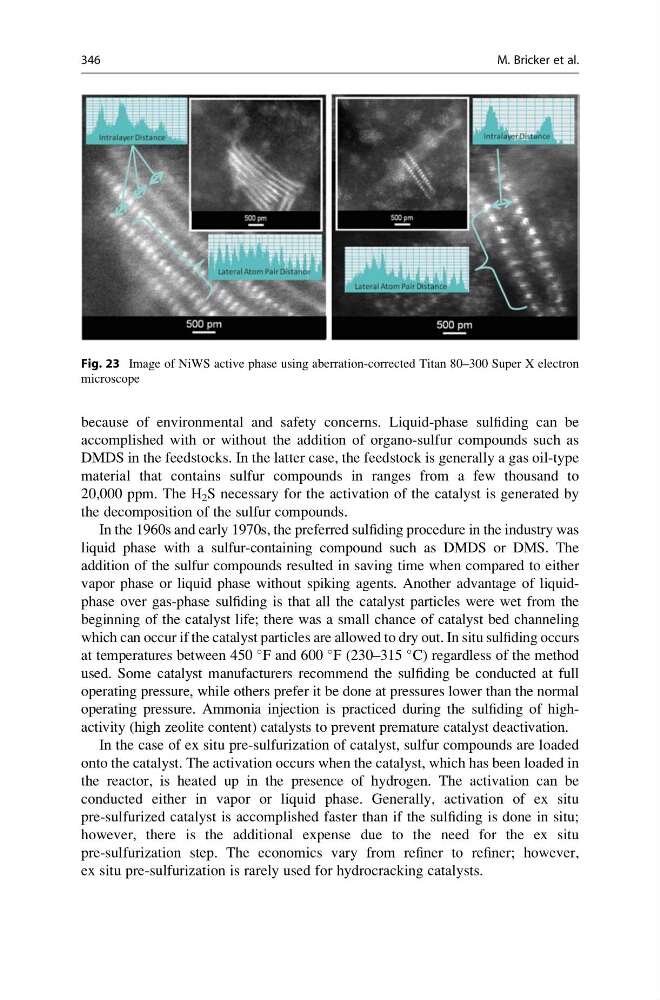
Fig. 23 Image of NiWS active phase using aberration-corrected Titan 80–300 Super X electron
microscope
346
M. Bricker et al.
accomplished with or without the addition of organo-sulfur compounds such as
DMDS in the feedstocks. In the latter case, the feedstock is generally a gas oil-type
material that contains sulfur compounds in ranges from a few thousand to
20,000 ppm. The H 2 S necessary for the activation of the catalyst is generated by
the decomposition of the sulfur compounds.
In the 1960s and early 1970s, the preferred sulfiding procedure in the industry was
liquid phase with a sulfur-containing compound such as DMDS or DMS. The
addition of the sulfur compounds resulted in saving time when compared to either
vapor phase or liquid phase without spiking agents. Another advantage of liquidphase over gas-phase sulfiding is that all the catalyst particles were wet from the
beginning of the catalyst life; there was a small chance of catalyst bed channeling
which can occur if the catalyst particles are allowed to dry out. In situ sulfiding occurs
at temperatures between 450
F and 600
F (230–315
C) regardless of the method
used. Some catalyst manufacturers recommend the sulfiding be conducted at full
operating pressure, while others prefer it be done at pressures lower than the normal
operating pressure. Ammonia injection is practiced during the sulfiding of highactivity (high zeolite content) catalysts to prevent premature catalyst deactivation.
In the case of ex situ pre-sulfurization of catalyst, sulfur compounds are loaded
onto the catalyst. The activation occurs when the catalyst, which has been loaded in
the reactor, is heated up in the presence of hydrogen. The activation can be
conducted either in vapor or liquid phase. Generally, activation of ex situ
pre-sulfurized catalyst is accomplished faster than if the sulfiding is done in situ;
however, there is the additional expense due to the need for the ex situ
pre-sulfurization step. The economics vary from refiner to refiner; however,
ex situ pre-sulfurization is rarely used for hydrocracking catalysts.
Fig. 23 Image of NiWS active phase using aberration-corrected Titan 80–300 Super X electron
microscope
346
M. Bricker et al.