

In the early 1980s, several new resid cracking designs were introduced. The
spent catalyst regeneration was staged in these designs and dense bed catalyst
coolers were optional. These coolers have also been used with single-stage regenerators for residual catalytic cracking units. The growth of this segment of the
catalytic cracking process is shown in Fig. 2. Over three million barrels per day of
on-purpose resid crackers have now been licensed, and another million barrels of
FCC capacity process some resid along with their normal gas oils. Typical yields
from resid cracking along with the feedstock properties are given in Table 2.
While the olefins in gasoline have become a concern in the gasoline pool, the
light olefins for petrochemicals are a valuable product, often exceeding the revenue
obtained for transportation fuels. As a consequence, distinctive processes for
making much higher amounts of propylene than a normal FCC unit have been
developed. The Deep Catalytic Cracking Process (1991) was the first commercialscale process that was designed to maximize propylene. Specially formulated
catalysts, more severe process conditions, and equipment made to handle the
unique product distribution are all components of this technology. Table 3 compares the yields from the DCC technology with those obtained.
Even more severe cracking conditions are used in the catalytic pyrolysis process
(2002), where the desire is to produce all petrochemical products, i.e., ethylene,
propylene, butenes, and aromatics. This process is really a substitute for a steam
cracking furnace in an ethylene plant. It allows the operator to use cheaper
feedstocks and vary the ratio of ethylene to propylene over a wider range than is
possible with only thermal cracking. Further discussion of FCC units designed for
petrochemicals is covered later in this chapter.
A diagram of the reactor-regenerator of a modern fluid cracking unit is shown in
Fig. 3. Hot-regenerated catalyst contacts the oil near the base of the reactor riser.
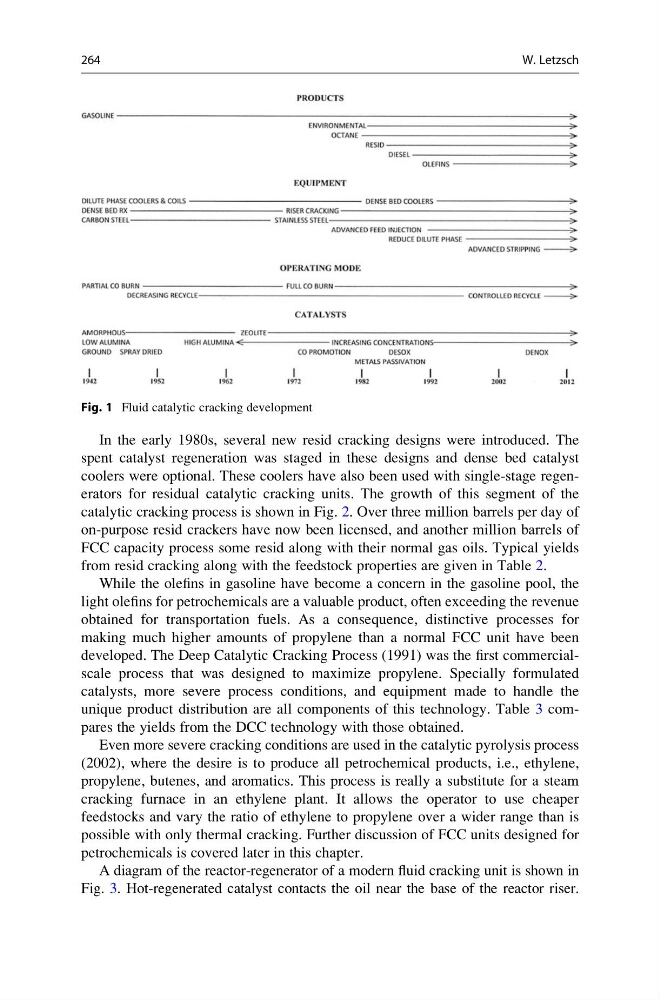
Fig. 1 Fluid catalytic cracking development
264
W. Letzsch
spent catalyst regeneration was staged in these designs and dense bed catalyst
coolers were optional. These coolers have also been used with single-stage regenerators for residual catalytic cracking units. The growth of this segment of the
catalytic cracking process is shown in Fig. 2. Over three million barrels per day of
on-purpose resid crackers have now been licensed, and another million barrels of
FCC capacity process some resid along with their normal gas oils. Typical yields
from resid cracking along with the feedstock properties are given in Table 2.
While the olefins in gasoline have become a concern in the gasoline pool, the
light olefins for petrochemicals are a valuable product, often exceeding the revenue
obtained for transportation fuels. As a consequence, distinctive processes for
making much higher amounts of propylene than a normal FCC unit have been
developed. The Deep Catalytic Cracking Process (1991) was the first commercialscale process that was designed to maximize propylene. Specially formulated
catalysts, more severe process conditions, and equipment made to handle the
unique product distribution are all components of this technology. Table 3 compares the yields from the DCC technology with those obtained.
Even more severe cracking conditions are used in the catalytic pyrolysis process
(2002), where the desire is to produce all petrochemical products, i.e., ethylene,
propylene, butenes, and aromatics. This process is really a substitute for a steam
cracking furnace in an ethylene plant. It allows the operator to use cheaper
feedstocks and vary the ratio of ethylene to propylene over a wider range than is
possible with only thermal cracking. Further discussion of FCC units designed for
petrochemicals is covered later in this chapter.
A diagram of the reactor-regenerator of a modern fluid cracking unit is shown in
Fig. 3. Hot-regenerated catalyst contacts the oil near the base of the reactor riser.
Fig. 1 Fluid catalytic cracking development
264
W. Letzsch