

26.4 Exploration Culture
Knowledge creation is a self-organising team effort
that requires a common purpose for all involved
(Fig. 26.7). The individuals should have the freedom
to improve their specialty skills to realise the full
knowledge creation potential of the team. This
requires a high degree of communication and cooperation. The greater the diversity of special
disciplines involved, the greater the knowledge generation potential of the team becomes. The relations
between the people involved in knowledge creation
need to be based on openness and trust.
Learning is a continuous process of action and
change. Knowledge changes in steps and the way
forward should not be shackled by past knowledge.
Continuous development of better practice is a must.
The skill to act should always be combined by the
strengthened will to believe in the improved concepts
that form the basis for stable activities. The learning
Gohta stacked prospects
1000
Amplitude anomalies
1500
2000
Amplitude anomalies
A
A'
A
A'
TWT
(ms)
Triassic 1
Triassic 2
P e r m i a n
Cross-section
N
7120/1-3 Gohta
7120/1-4
7120/1-1R2
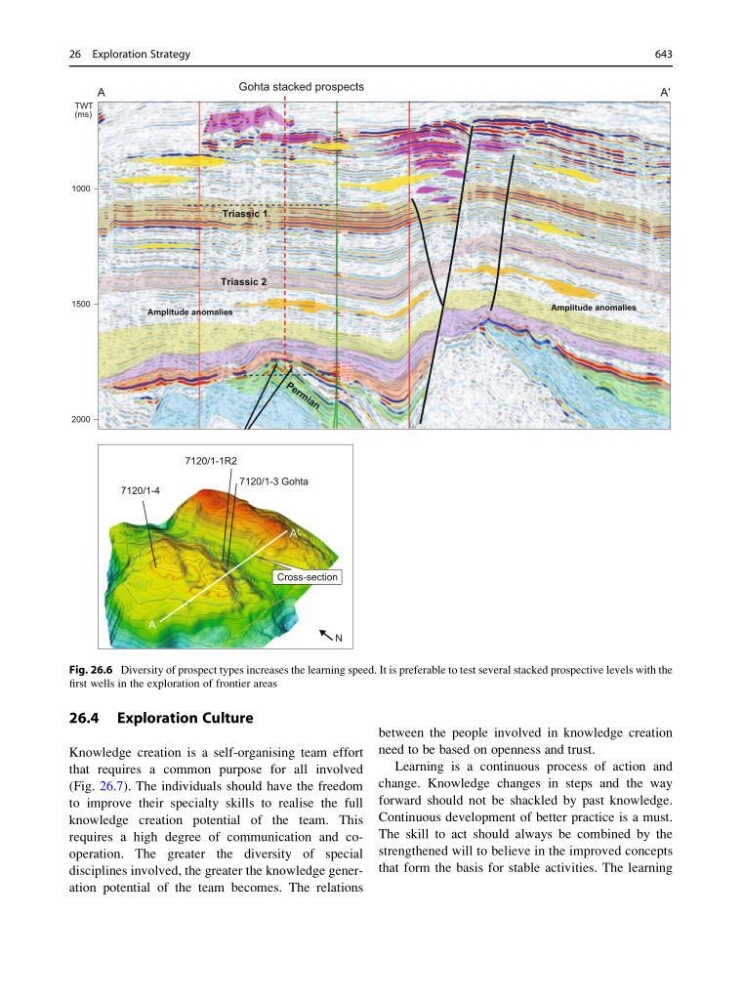
Fig. 26.6 Diversity of prospect types increases the learning speed. It is preferable to test several stacked prospective levels with the
first wells in the exploration of frontier areas
26 Exploration Strategy
643