

physics properties. The seismic reflections are physically explained by contrasts in elastic properties, and
rock physics models allow us to link the elastic properties to geological parameters. Hence, the application
of rock physics models can guide and improve on the
qualitative interpretation (e.g. Mavko et al. 2009,
Avseth et al. 2005). Moreover, if we understand the
link between geological parameters and rock physics
properties, we can avoid certain ambiguities in seismic
interpretation, particularly fluid/lithology, sand/shale
and porosity/saturation. During fluid substitution, it is
very common to assume that the rock type and porosity are constant, neglecting the possibility that lithology can change from the brine zone to the
hydrocarbon zone. The link between rock physics
and various geological parameters, including cement
volume, clay volume and degree of sorting, allow us to
perform lithology substitution from rock types
observed at a given well location to rock types
assumed to be present nearby. Hence, during quantitative seismic interpretation of a reservoir we can do
sensitivity analysis not only of fluid types, but also of
the reservoir quality.
The way in which geological trends in an area can
be used to constrain rock physics models is also investigated. Geological trends can be split into two categories: Depositional and Compactional. If we can
predict the expected change in seismic response as a
function of depositional environment or burial depth,
this will increase our ability to predict hydrocarbons,
especially in areas with little or no well log information. Understanding the geological constraints in an
area of exploration reduces the range of expected
variability in rock properties and hence reduces the
uncertainties in seismic reservoir prediction.
Figure 18.2 depicts this problem, where the only well
Well #1
Well #2
Well #3
Vp (km/s)
Vp (km/s)
Vp (km/s)
2.0 2.5 3.0 3.5
2.0 2.5 3.0 3.5
2.0 2.5 3.0 3.5
2.1
2.3
2.2
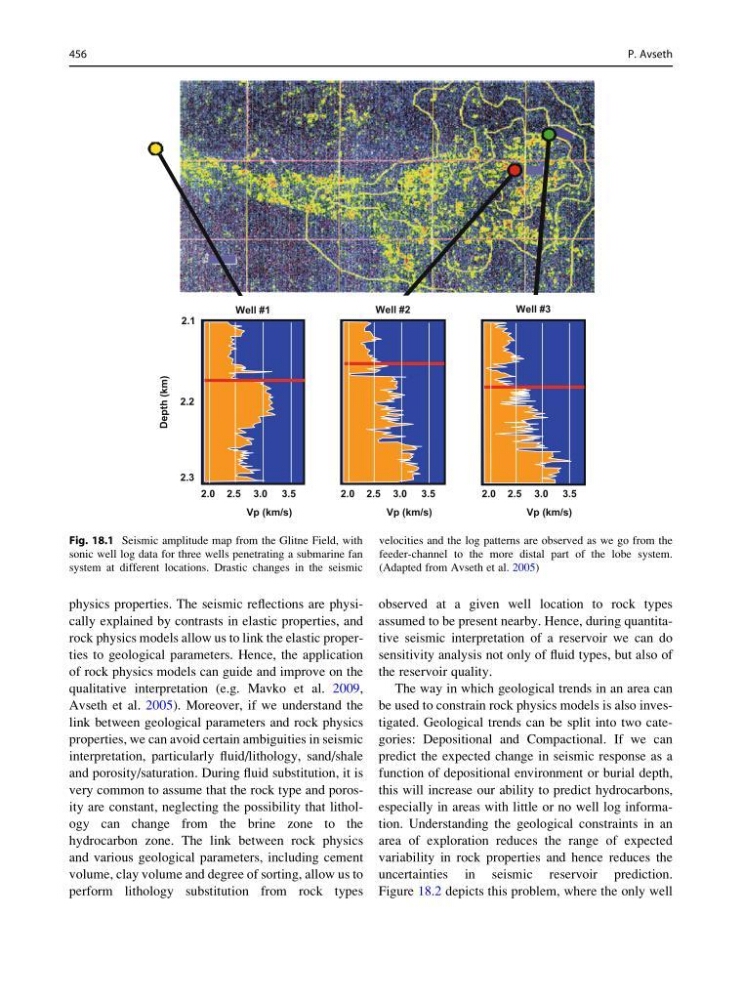
Fig. 18.1 Seismic amplitude map from the Glitne Field, with
sonic well log data for three wells penetrating a submarine fan
system at different locations. Drastic changes in the seismic
velocities and the log patterns are observed as we go from the
feeder-channel to the more distal part of the lobe system.
(Adapted from Avseth et al. 2005)
456
P. Avseth
rock physics models allow us to link the elastic properties to geological parameters. Hence, the application
of rock physics models can guide and improve on the
qualitative interpretation (e.g. Mavko et al. 2009,
Avseth et al. 2005). Moreover, if we understand the
link between geological parameters and rock physics
properties, we can avoid certain ambiguities in seismic
interpretation, particularly fluid/lithology, sand/shale
and porosity/saturation. During fluid substitution, it is
very common to assume that the rock type and porosity are constant, neglecting the possibility that lithology can change from the brine zone to the
hydrocarbon zone. The link between rock physics
and various geological parameters, including cement
volume, clay volume and degree of sorting, allow us to
perform lithology substitution from rock types
observed at a given well location to rock types
assumed to be present nearby. Hence, during quantitative seismic interpretation of a reservoir we can do
sensitivity analysis not only of fluid types, but also of
the reservoir quality.
The way in which geological trends in an area can
be used to constrain rock physics models is also investigated. Geological trends can be split into two categories: Depositional and Compactional. If we can
predict the expected change in seismic response as a
function of depositional environment or burial depth,
this will increase our ability to predict hydrocarbons,
especially in areas with little or no well log information. Understanding the geological constraints in an
area of exploration reduces the range of expected
variability in rock properties and hence reduces the
uncertainties in seismic reservoir prediction.
Figure 18.2 depicts this problem, where the only well
Well #1
Well #2
Well #3
Vp (km/s)
Vp (km/s)
Vp (km/s)
2.0 2.5 3.0 3.5
2.0 2.5 3.0 3.5
2.0 2.5 3.0 3.5
2.1
2.3
2.2
Fig. 18.1 Seismic amplitude map from the Glitne Field, with
sonic well log data for three wells penetrating a submarine fan
system at different locations. Drastic changes in the seismic
velocities and the log patterns are observed as we go from the
feeder-channel to the more distal part of the lobe system.
(Adapted from Avseth et al. 2005)
456
P. Avseth