

purposes depending on the nature of the data recorded.
Correlation from well to well is one of the oldest and
probably the most common use of logs. Correlation is
usually based on the shapes of the recorded curves
versus depth. It allows the subsurface geologist to
map formation depths, lateral distributions and
thicknesses, and then to identify conditions that could
trap hydrocarbons. Identification of the lithology of the
rock sequence is another important use. After acquiring
experience in an area it is possible for a log analyst to
make an educated guess as to lithology by looking at
the log from a new well. A set of logs run in a well will
usually mean different things to different professionals
(Table 16.1). Currently, over fifty different types of
these logging tools exist in order to meet various information needs and functions. Some of them are passive
measurement devices, others exert some influence on
the formation being traversed.
Pickett (1963) indicated some of the applications
for well logs in petroleum engineering (Table 16.2).
The applications fall into three categories: identification, estimation and production. Identification
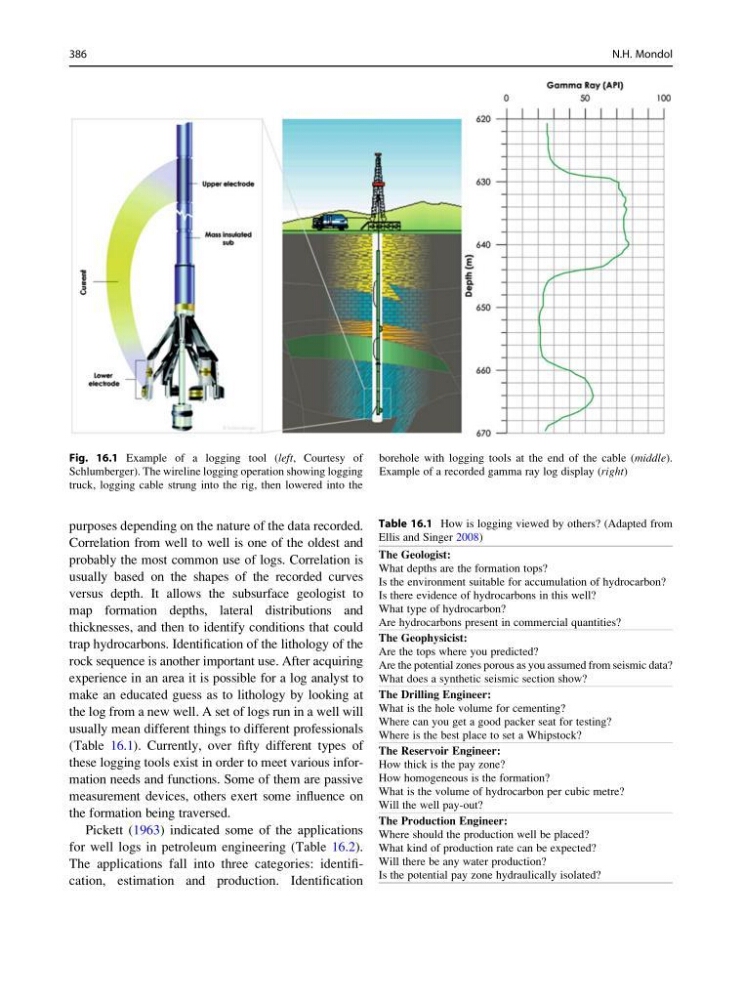
Fig. 16.1 Example of a logging tool (left, Courtesy of
Schlumberger). The wireline logging operation showing logging
truck, logging cable strung into the rig, then lowered into the
borehole with logging tools at the end of the cable (middle).
Example of a recorded gamma ray log display (right)
Table 16.1 How is logging viewed by others? (Adapted from
Ellis and Singer 2008)
The Geologist:
What depths are the formation tops?
Is the environment suitable for accumulation of hydrocarbon?
Is there evidence of hydrocarbons in this well?
What type of hydrocarbon?
Are hydrocarbons present in commercial quantities?
The Geophysicist:
Are the tops where you predicted?
Are the potential zones porous as you assumed from seismic data?
What does a synthetic seismic section show?
The Drilling Engineer:
What is the hole volume for cementing?
Where can you get a good packer seat for testing?
Where is the best place to set a Whipstock?
The Reservoir Engineer:
How thick is the pay zone?
How homogeneous is the formation?
What is the volume of hydrocarbon per cubic metre?
Will the well pay-out?
The Production Engineer:
Where should the production well be placed?
What kind of production rate can be expected?
Will there be any water production?
Is the potential pay zone hydraulically isolated?
386
N.H. Mondol
Correlation from well to well is one of the oldest and
probably the most common use of logs. Correlation is
usually based on the shapes of the recorded curves
versus depth. It allows the subsurface geologist to
map formation depths, lateral distributions and
thicknesses, and then to identify conditions that could
trap hydrocarbons. Identification of the lithology of the
rock sequence is another important use. After acquiring
experience in an area it is possible for a log analyst to
make an educated guess as to lithology by looking at
the log from a new well. A set of logs run in a well will
usually mean different things to different professionals
(Table 16.1). Currently, over fifty different types of
these logging tools exist in order to meet various information needs and functions. Some of them are passive
measurement devices, others exert some influence on
the formation being traversed.
Pickett (1963) indicated some of the applications
for well logs in petroleum engineering (Table 16.2).
The applications fall into three categories: identification, estimation and production. Identification
Fig. 16.1 Example of a logging tool (left, Courtesy of
Schlumberger). The wireline logging operation showing logging
truck, logging cable strung into the rig, then lowered into the
borehole with logging tools at the end of the cable (middle).
Example of a recorded gamma ray log display (right)
Table 16.1 How is logging viewed by others? (Adapted from
Ellis and Singer 2008)
The Geologist:
What depths are the formation tops?
Is the environment suitable for accumulation of hydrocarbon?
Is there evidence of hydrocarbons in this well?
What type of hydrocarbon?
Are hydrocarbons present in commercial quantities?
The Geophysicist:
Are the tops where you predicted?
Are the potential zones porous as you assumed from seismic data?
What does a synthetic seismic section show?
The Drilling Engineer:
What is the hole volume for cementing?
Where can you get a good packer seat for testing?
Where is the best place to set a Whipstock?
The Reservoir Engineer:
How thick is the pay zone?
How homogeneous is the formation?
What is the volume of hydrocarbon per cubic metre?
Will the well pay-out?
The Production Engineer:
Where should the production well be placed?
What kind of production rate can be expected?
Will there be any water production?
Is the potential pay zone hydraulically isolated?
386
N.H. Mondol