

Being a complex of very large molecules (polymer), kerogen is difficult to analyse, but upon heating
to 350–450
C in an inert atmosphere (pyrolysis) it will
break down into smaller components which can then
be analysed by means of gas chromatography and
mass spectrometry.
Kerogen has a wide range of compositions, dependant on the original organic composition, but may be
classified into 3 main types which may be plotted as a
function of the H/C ratio and the O/C ratio (Fig. 14.3)
Type I sapropelic kerogen is formed from organic
material with a high content of lipids with long aliphatic chains. It consists of spores and planktonic
algae, as well as animal matter, which have been
broken down microbially after deposition in the sediment. Sapropelic material which consists of fats, oils,
Sea level
Ox.
Red.
Photosynthesis phytoplankton, zooplankton
(consume phytoplankton)
Plankton eaten by higher marine organisms
Formation of pellets
Breakdown of organic material
oxygen minimum
Adsorption of dissolved organic material
onto clay minerals
Accumulation of pellets and other organic matter
Oxidation
Breakdown by burrowing organisms and bacteria
Preserved organic matter in sediment
Sea floor
Fig. 14.1 Formation of source rocks. Only a small fraction of the organic matter is preserved. The formation of organic-rich source
rocks requires restricted water circulation and oxygen supply
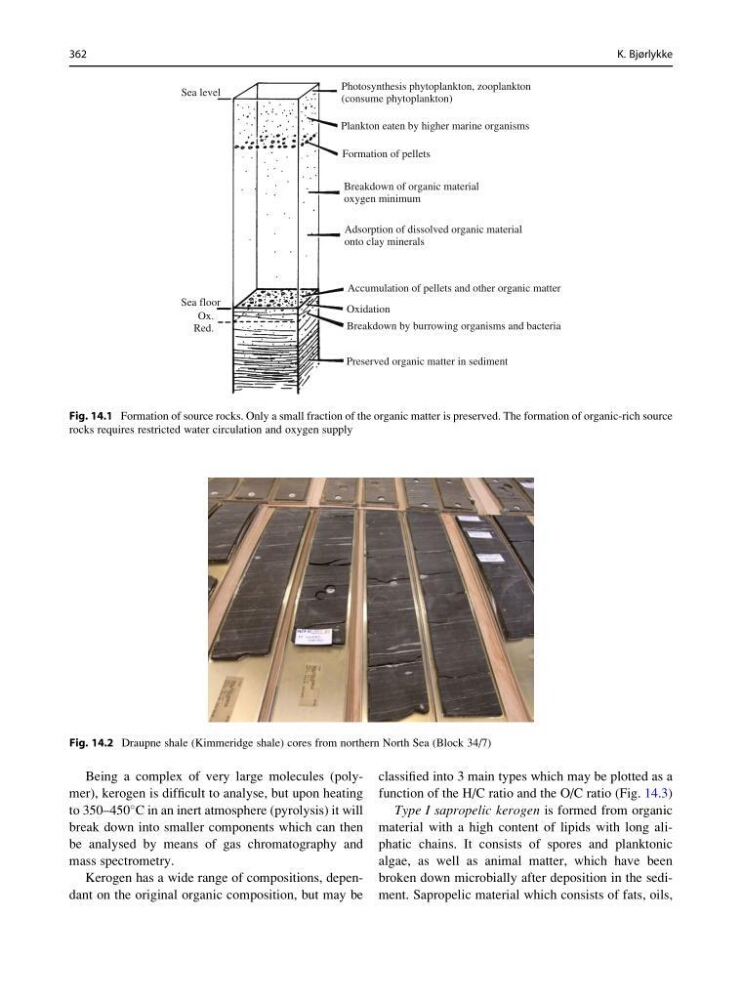
Fig. 14.2 Draupne shale (Kimmeridge shale) cores from northern North Sea (Block 34/7)
362
K. Bjørlykke
to 350–450
C in an inert atmosphere (pyrolysis) it will
break down into smaller components which can then
be analysed by means of gas chromatography and
mass spectrometry.
Kerogen has a wide range of compositions, dependant on the original organic composition, but may be
classified into 3 main types which may be plotted as a
function of the H/C ratio and the O/C ratio (Fig. 14.3)
Type I sapropelic kerogen is formed from organic
material with a high content of lipids with long aliphatic chains. It consists of spores and planktonic
algae, as well as animal matter, which have been
broken down microbially after deposition in the sediment. Sapropelic material which consists of fats, oils,
Sea level
Ox.
Red.
Photosynthesis phytoplankton, zooplankton
(consume phytoplankton)
Plankton eaten by higher marine organisms
Formation of pellets
Breakdown of organic material
oxygen minimum
Adsorption of dissolved organic material
onto clay minerals
Accumulation of pellets and other organic matter
Oxidation
Breakdown by burrowing organisms and bacteria
Preserved organic matter in sediment
Sea floor
Fig. 14.1 Formation of source rocks. Only a small fraction of the organic matter is preserved. The formation of organic-rich source
rocks requires restricted water circulation and oxygen supply
Fig. 14.2 Draupne shale (Kimmeridge shale) cores from northern North Sea (Block 34/7)
362
K. Bjørlykke