

5.9
Summary
Limestones are mostly organically precipitated except
in evaporitic environments. The evolution of calcareous organisms determines to a very large extent the
initial grain size and mineralogy of the sediments,
which in turn strongly influences the properties of
carbonate reservoirs. The depositional environment is
very important in controlling primary sorting of carbonate sand and the distribution of framework builders
like reefs.
Limestones compact mechanically as a function of
effective stress, but mineral dissolution and precipitation (chemical compaction) may also be important at
shallow depth (0–1 km). Thermodynamically unstable
aragonite dissolves at rather shallow depth which may
cause the formation of secondary mouldic porosity
and early cement. Sediments consisting of mostly calcite will compact mechanically until pressure solution
becomes an effective compaction process. Grain-tograin dissolution and stylolites then provide the
sources of cement reducing the primary porosity.
Dolomite forms in most cases near the surface
under evaporitic conditions, and under reducing condition in contact with seawater (as in reefs and atolls)
where the sulphate content is low. Dolomitisation of
calcite requires dissolution and reprecipitation and a
large-scale supply of magnesium and there is no reason that this in itself should cause increased porosity
even if dolomite is denser than calcite.
Dolomite is both mechanically and chemically
more stable (less soluble) than calcite and therefore
preserves more of its porosity during burial. Extensional fractures formed tectonically will tend to stay
open longer in dolomite than in limestones and may
therefore form important reservoirs.
Carbonate sediments may compact both mechanically and chemically also at shallow depth and low
temperatures. Early cementation due to dissolution of
aragonite and precipitation of calcite cement will
increase rock strength and prevent further mechanical
compaction. Carbonates are very complex with
respect to reservoir properties. This is because of the
great variation in the primary composition of the
sediments, which may be precipitated chemically or
biologically by many different types of organisms.
Expertise is required in disciplines ranging from
palaeontology to mineralogy and complex diagenetic
reactions.
Further Reading
Audet, M.D. 1995. Modelling of porosity evolution and
mechanical compaction of calcareous sediments. Sedimentology 42, 355–374.
Barth, T. and Bjørlykke, K. 1993. Organic acids from source
rock maturation; Generation potentials, transport
mechanisms and relevance for mineral diagenesis. Applied
Geochemistry 8, 325–337.
Bathurst, R.G.C. 1975. Carbonate Sediments and their Diagenesis. Elsevier, Amsterdam, 658 pp.
Mudstone with small amounts of calcite
Dissolved
calcite
Limestone
Mudstone with high organic
content and no carbonate
Porewater in
equilibrium with
calcite
Porewater
Under saturated
with respect to
calcite
Flow parallel with
bedding
Flow
perpendicular to
bedding
Concentrated
dissoluƟon
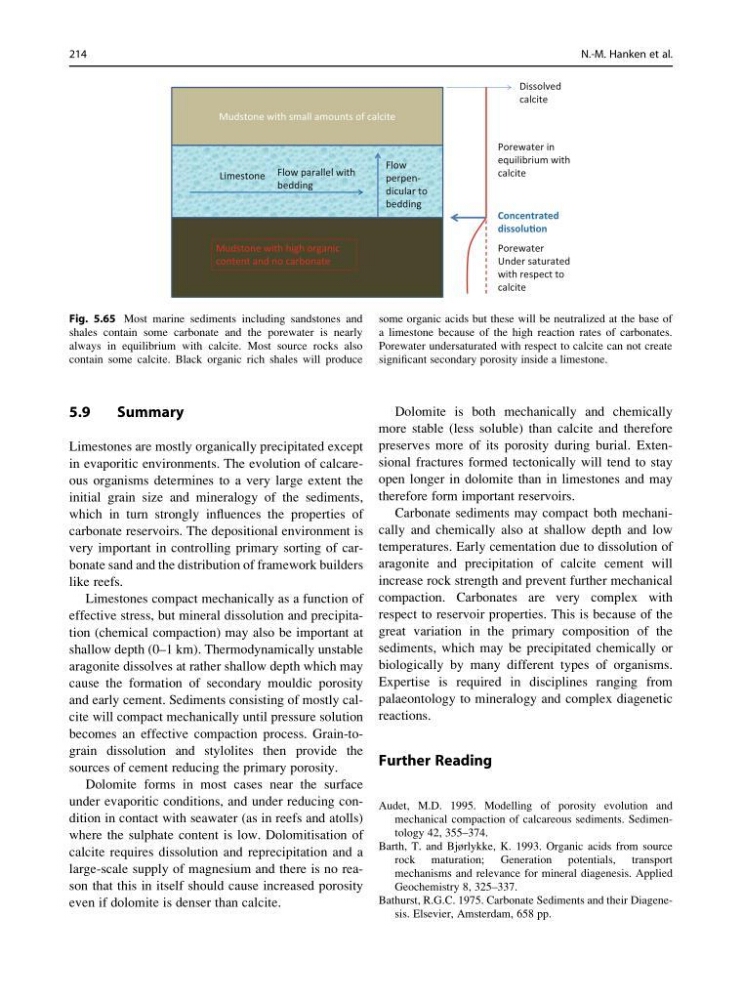
Fig. 5.65 Most marine sediments including sandstones and
shales contain some carbonate and the porewater is nearly
always in equilibrium with calcite. Most source rocks also
contain some calcite. Black organic rich shales will produce
some organic acids but these will be neutralized at the base of
a limestone because of the high reaction rates of carbonates.
Porewater undersaturated with respect to calcite can not create
significant secondary porosity inside a limestone.
214
N.-M. Hanken et al.
Summary
Limestones are mostly organically precipitated except
in evaporitic environments. The evolution of calcareous organisms determines to a very large extent the
initial grain size and mineralogy of the sediments,
which in turn strongly influences the properties of
carbonate reservoirs. The depositional environment is
very important in controlling primary sorting of carbonate sand and the distribution of framework builders
like reefs.
Limestones compact mechanically as a function of
effective stress, but mineral dissolution and precipitation (chemical compaction) may also be important at
shallow depth (0–1 km). Thermodynamically unstable
aragonite dissolves at rather shallow depth which may
cause the formation of secondary mouldic porosity
and early cement. Sediments consisting of mostly calcite will compact mechanically until pressure solution
becomes an effective compaction process. Grain-tograin dissolution and stylolites then provide the
sources of cement reducing the primary porosity.
Dolomite forms in most cases near the surface
under evaporitic conditions, and under reducing condition in contact with seawater (as in reefs and atolls)
where the sulphate content is low. Dolomitisation of
calcite requires dissolution and reprecipitation and a
large-scale supply of magnesium and there is no reason that this in itself should cause increased porosity
even if dolomite is denser than calcite.
Dolomite is both mechanically and chemically
more stable (less soluble) than calcite and therefore
preserves more of its porosity during burial. Extensional fractures formed tectonically will tend to stay
open longer in dolomite than in limestones and may
therefore form important reservoirs.
Carbonate sediments may compact both mechanically and chemically also at shallow depth and low
temperatures. Early cementation due to dissolution of
aragonite and precipitation of calcite cement will
increase rock strength and prevent further mechanical
compaction. Carbonates are very complex with
respect to reservoir properties. This is because of the
great variation in the primary composition of the
sediments, which may be precipitated chemically or
biologically by many different types of organisms.
Expertise is required in disciplines ranging from
palaeontology to mineralogy and complex diagenetic
reactions.
Further Reading
Audet, M.D. 1995. Modelling of porosity evolution and
mechanical compaction of calcareous sediments. Sedimentology 42, 355–374.
Barth, T. and Bjørlykke, K. 1993. Organic acids from source
rock maturation; Generation potentials, transport
mechanisms and relevance for mineral diagenesis. Applied
Geochemistry 8, 325–337.
Bathurst, R.G.C. 1975. Carbonate Sediments and their Diagenesis. Elsevier, Amsterdam, 658 pp.
Mudstone with small amounts of calcite
Dissolved
calcite
Limestone
Mudstone with high organic
content and no carbonate
Porewater in
equilibrium with
calcite
Porewater
Under saturated
with respect to
calcite
Flow parallel with
bedding
Flow
perpendicular to
bedding
Concentrated
dissoluƟon
Fig. 5.65 Most marine sediments including sandstones and
shales contain some carbonate and the porewater is nearly
always in equilibrium with calcite. Most source rocks also
contain some calcite. Black organic rich shales will produce
some organic acids but these will be neutralized at the base of
a limestone because of the high reaction rates of carbonates.
Porewater undersaturated with respect to calcite can not create
significant secondary porosity inside a limestone.
214
N.-M. Hanken et al.