

46
Channel Sandstone
�v
Ill
deposits. Mobile-channel belt deposits include
braided and meandering channels, and the various
types of channel deposits intermediate between
these well-known end members. The deposits are
sheet-like in geometry, with width/depth ratios exceeding 15, and commonly greater than 100.
In the 1980s, several important studies documented in considerable detail the internal architecture of ancient complex channel-fill and bar deposits. Okolo (1983) and Hopkins (!985) described
some well-exposed channels filled by vertical aggradation. Allen and Matter (!982) and Okolo (!983)
described other, more complex, channel fills. Other
writers, including Allen ( 1983a), Haszeldine
(!983a,b), Kirk (1983), and Ramos and Sapena
(1983) provided detailed two- and three-dimensional cross sections oflarge compound bars, revealing a range of complex structures enclosed by and
containing major bounding surfaces. These studies
provided the first data on the internal geometry and
facies architecture of compound bars comparable to
the modern side bars of Collinson (1970) and the
sand flats of Cant and Walker (1978). These are
macroforms (Jackson 1975), comparable to, and gradational with, point bars, in terms of their scale,
complexity, and depositional longevity. The discovery of the truly three-dimensional nature of these
deposits was one of the most signifi cant contributions to fl uvial studies of this period.
Historical Background
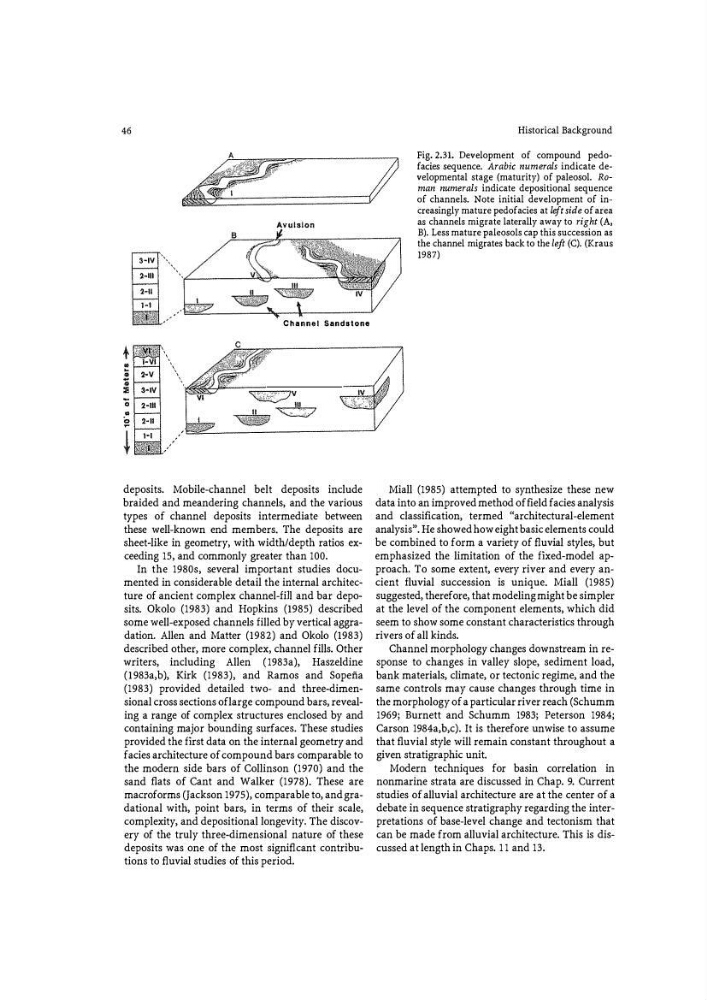
Fig. 2.31. Development of compound pedo�
fades sequence. Arabic numerals indicate de�
velopmental stage (maturity) of paleosol. Roman numerals indicate depositional sequence
of channels. Note initial development of increasingly mature pedofacies at left side of area
as channels migrate laterally away to right (A,
B). Less mature paleosols cap this succession as
the channel migrates back to the left (C). (Kraus
1987)
Miall (1985) attempted to synthesize these new
data into an improved method of field facies analysis
and classification, termed ((architectural-element
analysis". He showed how eight basic elements could
be combined to form a variety of fl uvial styles, but
emphasized the limitation of the fixed-model approach. To some extent, every river and every ancient fluvial succession is unique. Miall (1985)
suggested, therefore, that modeling might be simpler
at the level of the component elements, which did
seem to show some constant characteristics through
rivers of all kinds.
Channel morphology changes downstream in response to changes in valley slope, sediment load,
bank materials, climate, or tectonic regime, and the
same controls may cause changes through time in
the morphology of a particular river reach (Schumm
1969; Burnett and Schumm 1983; Peterson 1984;
Carson 1984a,b,c). It is therefore unwise to assume
that fluvial style will remain constant throughout a
given stratigraphic unit.
Modern techniques for basin correlation in
nonmarine strata are discussed in Chap. 9. Current
studies of alluvial architecture are at the center of a
debate in sequence stratigraphy regarding the interpretations of base-level change and tectonism that
can be made from alluvial architecture. This is discussed at length in Chaps. 11 and 13.
Channel Sandstone
�v
Ill
deposits. Mobile-channel belt deposits include
braided and meandering channels, and the various
types of channel deposits intermediate between
these well-known end members. The deposits are
sheet-like in geometry, with width/depth ratios exceeding 15, and commonly greater than 100.
In the 1980s, several important studies documented in considerable detail the internal architecture of ancient complex channel-fill and bar deposits. Okolo (1983) and Hopkins (!985) described
some well-exposed channels filled by vertical aggradation. Allen and Matter (!982) and Okolo (!983)
described other, more complex, channel fills. Other
writers, including Allen ( 1983a), Haszeldine
(!983a,b), Kirk (1983), and Ramos and Sapena
(1983) provided detailed two- and three-dimensional cross sections oflarge compound bars, revealing a range of complex structures enclosed by and
containing major bounding surfaces. These studies
provided the first data on the internal geometry and
facies architecture of compound bars comparable to
the modern side bars of Collinson (1970) and the
sand flats of Cant and Walker (1978). These are
macroforms (Jackson 1975), comparable to, and gradational with, point bars, in terms of their scale,
complexity, and depositional longevity. The discovery of the truly three-dimensional nature of these
deposits was one of the most signifi cant contributions to fl uvial studies of this period.
Historical Background
Fig. 2.31. Development of compound pedo�
fades sequence. Arabic numerals indicate de�
velopmental stage (maturity) of paleosol. Roman numerals indicate depositional sequence
of channels. Note initial development of increasingly mature pedofacies at left side of area
as channels migrate laterally away to right (A,
B). Less mature paleosols cap this succession as
the channel migrates back to the left (C). (Kraus
1987)
Miall (1985) attempted to synthesize these new
data into an improved method of field facies analysis
and classification, termed ((architectural-element
analysis". He showed how eight basic elements could
be combined to form a variety of fl uvial styles, but
emphasized the limitation of the fixed-model approach. To some extent, every river and every ancient fluvial succession is unique. Miall (1985)
suggested, therefore, that modeling might be simpler
at the level of the component elements, which did
seem to show some constant characteristics through
rivers of all kinds.
Channel morphology changes downstream in response to changes in valley slope, sediment load,
bank materials, climate, or tectonic regime, and the
same controls may cause changes through time in
the morphology of a particular river reach (Schumm
1969; Burnett and Schumm 1983; Peterson 1984;
Carson 1984a,b,c). It is therefore unwise to assume
that fluvial style will remain constant throughout a
given stratigraphic unit.
Modern techniques for basin correlation in
nonmarine strata are discussed in Chap. 9. Current
studies of alluvial architecture are at the center of a
debate in sequence stratigraphy regarding the interpretations of base-level change and tectonism that
can be made from alluvial architecture. This is discussed at length in Chaps. 11 and 13.