

A
472
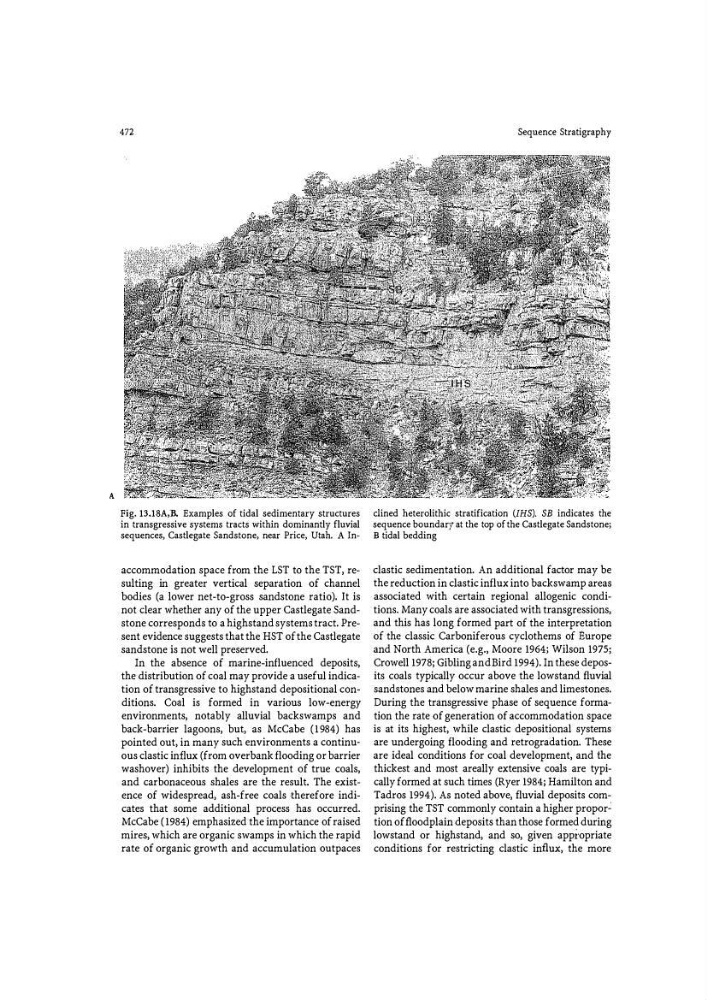
Fig. 13.18A,B. Examples of tidal sedimentary structures
in transgressive systems tracts within dominantly fluvial
sequences, Castlegate Sandstone, near Price, Utah. A Inaccommodation space from the LST to the TST, resulting in greater vertical separation of channel
bodies (a lower net-to-gross sandstone ratio). It is
not clear whether any of the upper Castlegate Sandstone corresponds to a highstand systems tract. Present evidence suggests that the HST of the Castlegate
sandstone is not well preserved.
In the absence of marine-influenced deposits,
the distribution of coal may provide a useful indication of transgressive to highstand depositional conditions. Coal is formed in various low-energy
environments, notably alluvial backswamps and
back-barrier lagoons, but, as McCabe (1984) has
pointed out, in many such environments a continu�
ous clastic influx (from overbank flooding or barrier
washover) inhibits the development of true coals,
and carbonaceous shales are the result. The existence of widespread, ash-free coals therefore indicates that some additional process has occurred.
McCabe (1984) emphasized the importance of raised
mires, which are organic swamps in which the rapid
rate of organic growth and accumulation outpaces
Sequence Stratigraphy
dined heterolithic stratification (JHS). SB indicates the
sequence boundary at the top of the Castlegate Sandstone;
B tidal bedding
clastic sedimentation. An additional factor may be
the reduction in clastic influx into backswamp areas
associated with certain regional allogenic conditions. Many coals are associated with transgressions,
and this has long formed part of the interpretation
of the classic Carboniferous cyclothems of Europe
and North America (e.g., Moore 1964; Wilson 1975;
Crowell 1978; Gibling and Bird 1994). In these deposits coals typically occur above the lowstand fluvial
sandstones and below marine shales and limestones.
During the transgressive phase of sequence formation the rate of generation of accommodation space
is at its highest, while clastic depositional systems
are undergoing flooding and retrogradation. These
are ideal conditions for coal development, and the
thickest and most areally extensive coals are typically formed at such times (Ryer 1984; Hamilton and
Tadros 1994). As noted above, fluvial deposits comprising the TST commonly contain a higher proper�
tion of fl oodplain deposits than those formed duriug
lowstand or highstand, and so, given appi:opriate
conditions for restricting clastic influx, the more
472
Fig. 13.18A,B. Examples of tidal sedimentary structures
in transgressive systems tracts within dominantly fluvial
sequences, Castlegate Sandstone, near Price, Utah. A Inaccommodation space from the LST to the TST, resulting in greater vertical separation of channel
bodies (a lower net-to-gross sandstone ratio). It is
not clear whether any of the upper Castlegate Sandstone corresponds to a highstand systems tract. Present evidence suggests that the HST of the Castlegate
sandstone is not well preserved.
In the absence of marine-influenced deposits,
the distribution of coal may provide a useful indication of transgressive to highstand depositional conditions. Coal is formed in various low-energy
environments, notably alluvial backswamps and
back-barrier lagoons, but, as McCabe (1984) has
pointed out, in many such environments a continu�
ous clastic influx (from overbank flooding or barrier
washover) inhibits the development of true coals,
and carbonaceous shales are the result. The existence of widespread, ash-free coals therefore indicates that some additional process has occurred.
McCabe (1984) emphasized the importance of raised
mires, which are organic swamps in which the rapid
rate of organic growth and accumulation outpaces
Sequence Stratigraphy
dined heterolithic stratification (JHS). SB indicates the
sequence boundary at the top of the Castlegate Sandstone;
B tidal bedding
clastic sedimentation. An additional factor may be
the reduction in clastic influx into backswamp areas
associated with certain regional allogenic conditions. Many coals are associated with transgressions,
and this has long formed part of the interpretation
of the classic Carboniferous cyclothems of Europe
and North America (e.g., Moore 1964; Wilson 1975;
Crowell 1978; Gibling and Bird 1994). In these deposits coals typically occur above the lowstand fluvial
sandstones and below marine shales and limestones.
During the transgressive phase of sequence formation the rate of generation of accommodation space
is at its highest, while clastic depositional systems
are undergoing flooding and retrogradation. These
are ideal conditions for coal development, and the
thickest and most areally extensive coals are typically formed at such times (Ryer 1984; Hamilton and
Tadros 1994). As noted above, fluvial deposits comprising the TST commonly contain a higher proper�
tion of fl oodplain deposits than those formed duriug
lowstand or highstand, and so, given appi:opriate
conditions for restricting clastic influx, the more