

458
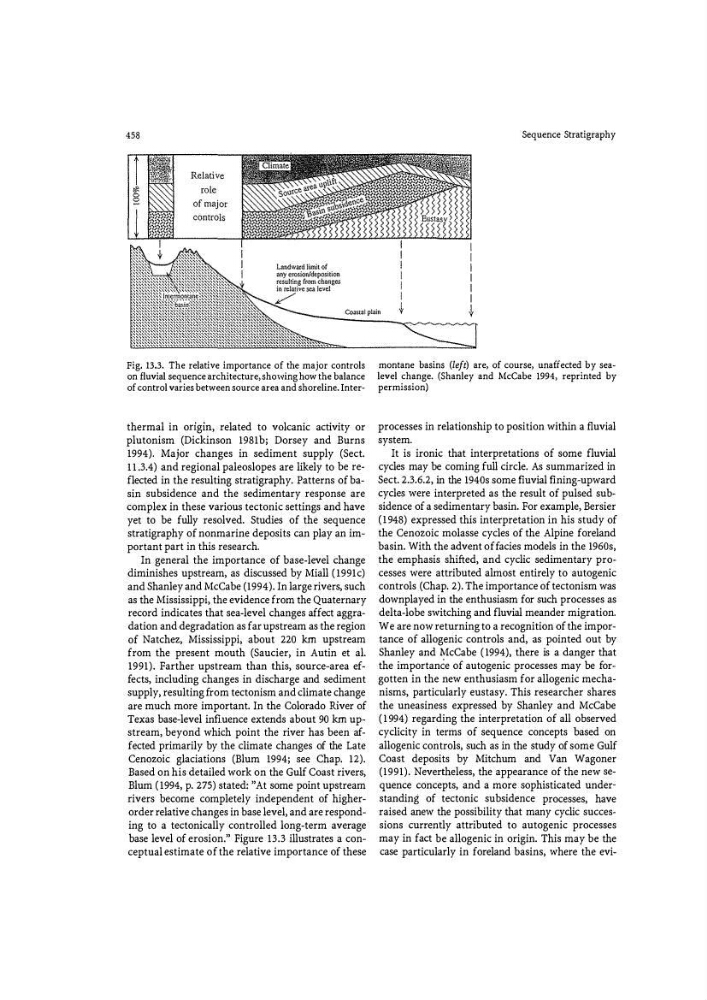
Fig. 13.3. The relative importance of the major controls
on fluvial sequence architecture, sho-wing how the balance
of control varies between source area and shoreline. Interthermal in ongm, related to volcanic activity or
plutonism (Dickinson 1981b; Dorsey and Burns
1994). Major changes in sediment supply (Sect.
11.3.4) and regional paleoslopes are likely to be reflected in the resulting stratigraphy. Patterns of basin subsidence and the sedimentary response are
complex in these various tectonic settings and have
yet to be fully resolved. Studies of the sequence
stratigraphy of nonmarine deposits can play an important part in this research.
In general the importance of base-level change
diminishes upstream, as discussed by Miall ( 1991 c)
and Shanley and McCabe (1994). In large rivers, such
as the Mississippi, the evidence from the Quaternary
record indicates that sea-level changes affect aggradation and degradation as far upstream as the region
of Natchez, Mississippi, about 220 km upstream
from the present mouth (Saucier, in Autin et al.
1991). Farther upstream than this, source-area effe cts, including changes in discharge and sediment
supply, resulting fr om tectonism and climate change
are much more important. In the Colorado River of
Texas base-level influence extends about 90 km upstream, beyond which point the river has been affected primarily by the climate changes of the Late
Cenozoic glaciations (Blum 1994; see Chap. 12).
Based on his detailed work on the Gulf Coast rivers,
Blum (1994, p. 275) stated: "At some point upstream
rivers become completely independent of higherorder relative changes in base level, and are responding to a tectonically controlled long-term average
base level of erosion." Figure 13.3 illustrates a conceptual estimate of the relative importance of these
Sequence Stratigraphy
montane basins (left) are, of course, unaffected by sealevel change. (Shanley and McCabe 1994, reprinted by
permission)
processes in relationship to position within a fluvial
system.
It is ironic that interpretations of some fluvial
cycles may be coming full circle. As summarized in
Sect. 2.3.6.2, in the 1940s some fl uvial fi ning-upward
cycles were interpreted as the result of pulsed subsidence of a sedimentary basin. For example, Bersier
(1948) expressed this interpretation in his study of
the Cenozoic molasse cycles of the Alpine foreland
basin. With the advent offacies models in the 1960s,
the emphasis shifted, and cyclic sedimentary processes were attributed almost entirely to autogenic
controls (Chap. 2). The importance of tectonism was
downplayed in the enthusiasm for such processes as
delta-lobe switching and fluvial meander migration.
We are now returning to a recognition of the importance of allogenic controls and, as pointed out by
Shanley and McCabe (1994), there is a danger that
the importanCe of autogenic processes may be fo rgotten in the new enthusiasm for allogenic mechanisms, particularly eustasy. This researcher shares
the uneasiness expressed by Shanley and McCabe
(1994) regarding the interpretation of all observed
cyclicity in terms of sequence concepts based on
allogenic controls, such as in the study of some Gulf
Coast deposits by Mitchum and Van Wagoner
(1991). Nevertheless, the appearance of the new sequence concepts, and a more sophisticated under�
standing of tectonic subsidence processes, have
raised anew the possibility that many cyclic succes�
sions currently attributed to autogenic processes
may in fact be allogenic in origin. This may be the
case particularly in foreland basins, where the evi-
Fig. 13.3. The relative importance of the major controls
on fluvial sequence architecture, sho-wing how the balance
of control varies between source area and shoreline. Interthermal in ongm, related to volcanic activity or
plutonism (Dickinson 1981b; Dorsey and Burns
1994). Major changes in sediment supply (Sect.
11.3.4) and regional paleoslopes are likely to be reflected in the resulting stratigraphy. Patterns of basin subsidence and the sedimentary response are
complex in these various tectonic settings and have
yet to be fully resolved. Studies of the sequence
stratigraphy of nonmarine deposits can play an important part in this research.
In general the importance of base-level change
diminishes upstream, as discussed by Miall ( 1991 c)
and Shanley and McCabe (1994). In large rivers, such
as the Mississippi, the evidence from the Quaternary
record indicates that sea-level changes affect aggradation and degradation as far upstream as the region
of Natchez, Mississippi, about 220 km upstream
from the present mouth (Saucier, in Autin et al.
1991). Farther upstream than this, source-area effe cts, including changes in discharge and sediment
supply, resulting fr om tectonism and climate change
are much more important. In the Colorado River of
Texas base-level influence extends about 90 km upstream, beyond which point the river has been affected primarily by the climate changes of the Late
Cenozoic glaciations (Blum 1994; see Chap. 12).
Based on his detailed work on the Gulf Coast rivers,
Blum (1994, p. 275) stated: "At some point upstream
rivers become completely independent of higherorder relative changes in base level, and are responding to a tectonically controlled long-term average
base level of erosion." Figure 13.3 illustrates a conceptual estimate of the relative importance of these
Sequence Stratigraphy
montane basins (left) are, of course, unaffected by sealevel change. (Shanley and McCabe 1994, reprinted by
permission)
processes in relationship to position within a fluvial
system.
It is ironic that interpretations of some fluvial
cycles may be coming full circle. As summarized in
Sect. 2.3.6.2, in the 1940s some fl uvial fi ning-upward
cycles were interpreted as the result of pulsed subsidence of a sedimentary basin. For example, Bersier
(1948) expressed this interpretation in his study of
the Cenozoic molasse cycles of the Alpine foreland
basin. With the advent offacies models in the 1960s,
the emphasis shifted, and cyclic sedimentary processes were attributed almost entirely to autogenic
controls (Chap. 2). The importance of tectonism was
downplayed in the enthusiasm for such processes as
delta-lobe switching and fluvial meander migration.
We are now returning to a recognition of the importance of allogenic controls and, as pointed out by
Shanley and McCabe (1994), there is a danger that
the importanCe of autogenic processes may be fo rgotten in the new enthusiasm for allogenic mechanisms, particularly eustasy. This researcher shares
the uneasiness expressed by Shanley and McCabe
(1994) regarding the interpretation of all observed
cyclicity in terms of sequence concepts based on
allogenic controls, such as in the study of some Gulf
Coast deposits by Mitchum and Van Wagoner
(1991). Nevertheless, the appearance of the new sequence concepts, and a more sophisticated under�
standing of tectonic subsidence processes, have
raised anew the possibility that many cyclic succes�
sions currently attributed to autogenic processes
may in fact be allogenic in origin. This may be the
case particularly in foreland basins, where the evi-