

164
Architectural Elements Formed Within Channels
FULLY DEVELOPED
DEPOSITIONAL FACI ES
TRANSITIONAL DEPOSITIONAL FACI ES
9CURRENT
DISPERSION
o• so• 1oo•
----'HIGH' FLOW
� � � • 'LOW" FLOW
CR0$5- DUNE HEIGHT (CMJ
STAAT, 0 2:5 50 75
'0
·®
9
7>
•
!
z
•
! 7
'
�
"
0
·J
w
'
�
/
•
� 6
T
· �
/
X 5"
'
@
�
i
•
X
"
w
>
0
•
0
''
� 4�
':
- -MLWP
/
,,
z
(
"
.:
10
w
'
�
� 3� �
'•
:'
• 4
z
�
w
•
"
'
"
'
'
w
"
'
.
�
3
�
@
"
'
'
,_
0
'
•
'
'
'
u
'
.
w
' .
j
. ,
1' -
·'
·'4
-3 0 ' 6
0 50 100 150
MEAN SIZE (PHI)
MEAN VEL, (CM/SECJ
-- 'HIGH" FLOW
- 'LOW' FLOW
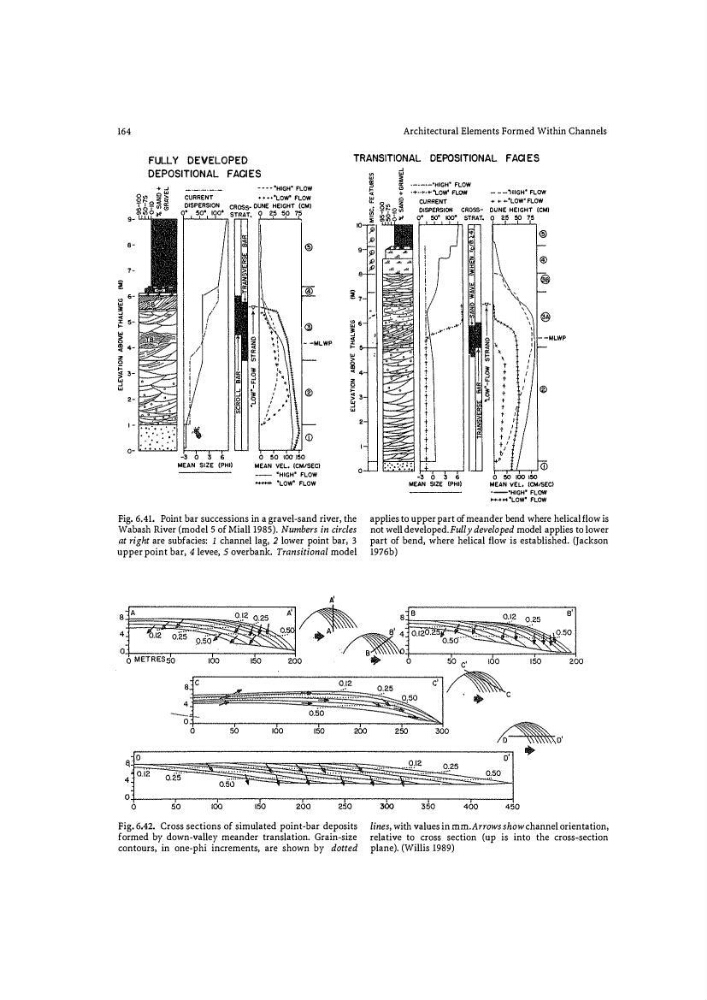
Fig. 6.41. Point bar successions in a gravel-sand river, the
Wabash River (model S of Miall l985). Numbers in circles
at right are subfacies: 1 channel lag, 2 lower point bar, 3
upper point bar, 4 levee, 5 overbank. Transitional model
8 A
Fig. 6.42. Cross sections of simulated point�bar deposits
formed by down-valley meander translation. Grain-size
contours, in one-phi increments, are shown by dotted
'
0
"
ID
w
•
� ·-·-•-'NIGH' FLOW
�
0
·+·,.,.·+ 'LOW" flJJW
- - -"HIGH' FLOW
•
w
CURRENT
ot- + ... 'LOW' FLOW
"
DUNE HEIGHT (CMJ
0 " 50 75
•
®
z
X
•
>
•
'
'
'
'
� •
�i
•
+
•
'
'
'
�
t
-3 0 3 6
0 w 100 150
MEAN SIZE (PHI)
MEAN VEL. (CMtSECl
--'HIGH' FLOW
H+H 'LOW" FLOW
applies to upper part of meander bend where helical flow is
not well developed. Fully developed model applies to lower
part of bend, where helical flow is established. (Jackson
1976b)
lines, with values in mm.Arrows show channel orientation,
relative to cross section (up is into the cross-section
plane). (Willis 1989)
Architectural Elements Formed Within Channels
FULLY DEVELOPED
DEPOSITIONAL FACI ES
TRANSITIONAL DEPOSITIONAL FACI ES
9CURRENT
DISPERSION
o• so• 1oo•
----'HIGH' FLOW
� � � • 'LOW" FLOW
CR0$5- DUNE HEIGHT (CMJ
STAAT, 0 2:5 50 75
'0
·®
9
7>
•
!
z
•
! 7
'
�
"
0
·J
w
'
�
/
•
� 6
T
· �
/
X 5"
'
@
�
i
•
X
"
w
>
0
•
0
''
� 4�
':
- -MLWP
/
,,
z
(
"
.:
10
w
'
�
� 3� �
'•
:'
• 4
z
�
w
•
"
'
"
'
'
w
"
'
.
�
3
�
@
"
'
'
,_
0
'
•
'
'
'
u
'
.
w
' .
j
. ,
1' -
·'
·'4
-3 0 ' 6
0 50 100 150
MEAN SIZE (PHI)
MEAN VEL, (CM/SECJ
-- 'HIGH" FLOW
- 'LOW' FLOW
Fig. 6.41. Point bar successions in a gravel-sand river, the
Wabash River (model S of Miall l985). Numbers in circles
at right are subfacies: 1 channel lag, 2 lower point bar, 3
upper point bar, 4 levee, 5 overbank. Transitional model
8 A
Fig. 6.42. Cross sections of simulated point�bar deposits
formed by down-valley meander translation. Grain-size
contours, in one-phi increments, are shown by dotted
'
0
"
ID
w
•
� ·-·-•-'NIGH' FLOW
�
0
·+·,.,.·+ 'LOW" flJJW
- - -"HIGH' FLOW
•
w
CURRENT
ot- + ... 'LOW' FLOW
"
DUNE HEIGHT (CMJ
0 " 50 75
•
®
z
X
•
>
•
'
'
'
'
� •
�i
•
+
•
'
'
'
�
t
-3 0 3 6
0 w 100 150
MEAN SIZE (PHI)
MEAN VEL. (CMtSECl
--'HIGH' FLOW
H+H 'LOW" FLOW
applies to upper part of meander bend where helical flow is
not well developed. Fully developed model applies to lower
part of bend, where helical flow is established. (Jackson
1976b)
lines, with values in mm.Arrows show channel orientation,
relative to cross section (up is into the cross-section
plane). (Willis 1989)