

!56
(A)
� Potential rising stage erosion. falling stage depasitkln
[:=J Potential rising stage dep
(B) DOWNSTREAM PART OF CURVED CHANNEL OR CONFLUENCE
Architectural Elements Formed Within Channels
falling stage erosion
CURVED CHANNEL OR CONFLUENCE ENTRANCE
rising stage deposit
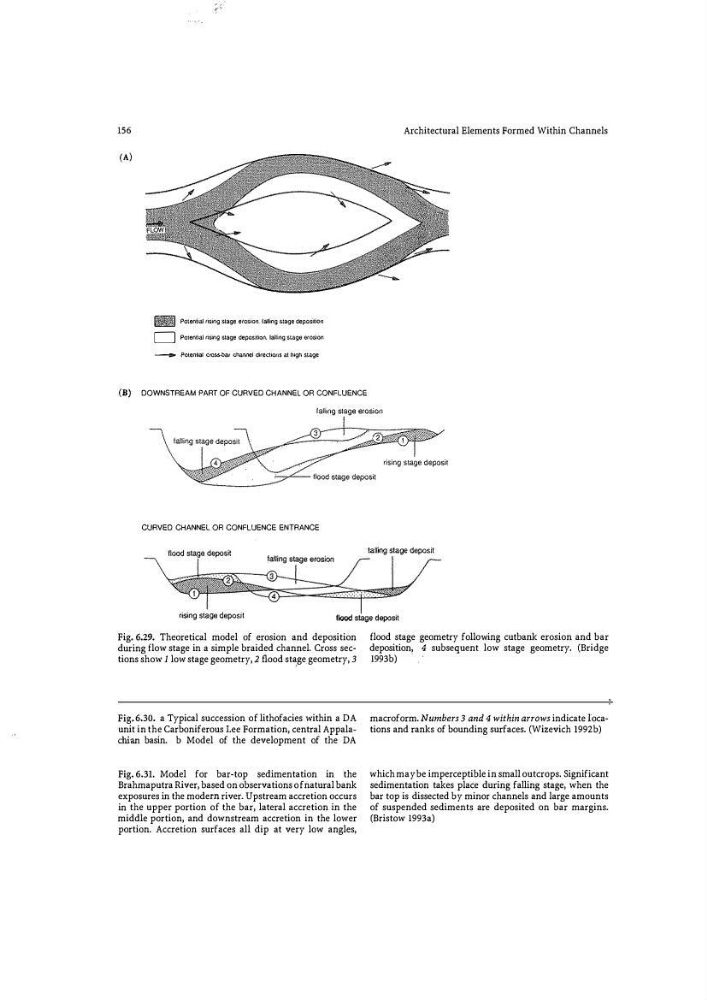
Fig. 6.29. Theoretical model of erosion and deposition
during flow stage in a simple braided channel. Cross sec�
tions show l low stage geometry, 2 flood st � ge geometry, 3
Fig. 6.30. a Typical succession of lithofacies within a DA
unit in the Carboniferous Lee Formation, central Appalachian basin. b Model of the development of the DA
Fig. 6.31. Model for bar� top sedimentation in the
Brahmaputra River, based on observations of natural bank
exposures in the modern river. Upstream accretion occurs
in the upper portion of the bar, lateral accretion in the
middle portion, and downstream accretion in the lower
portion. Accretion surfaces all dip at very low angles,
tal!ing stage deposit
flood stage geometry following cutbank erosion and bar
deposition, 4 subsequent low stage geometry. (Bridge
1993b)
.
macroform. Numbers 3 and 4 within arrows indicate locations and ranks of bounding surfaces. (Wizevich 1992b)
which may be imperceptible in small outcrops. Significant
sedimentation takes place during falling stage, when the
bar top is dissected by minor channels and large amounts
of suspended sediments are deposited on bar margins.
(Bristow 1993a)
(A)
� Potential rising stage erosion. falling stage depasitkln
[:=J Potential rising stage dep
(B) DOWNSTREAM PART OF CURVED CHANNEL OR CONFLUENCE
Architectural Elements Formed Within Channels
falling stage erosion
CURVED CHANNEL OR CONFLUENCE ENTRANCE
rising stage deposit
Fig. 6.29. Theoretical model of erosion and deposition
during flow stage in a simple braided channel. Cross sec�
tions show l low stage geometry, 2 flood st � ge geometry, 3
Fig. 6.30. a Typical succession of lithofacies within a DA
unit in the Carboniferous Lee Formation, central Appalachian basin. b Model of the development of the DA
Fig. 6.31. Model for bar� top sedimentation in the
Brahmaputra River, based on observations of natural bank
exposures in the modern river. Upstream accretion occurs
in the upper portion of the bar, lateral accretion in the
middle portion, and downstream accretion in the lower
portion. Accretion surfaces all dip at very low angles,
tal!ing stage deposit
flood stage geometry following cutbank erosion and bar
deposition, 4 subsequent low stage geometry. (Bridge
1993b)
.
macroform. Numbers 3 and 4 within arrows indicate locations and ranks of bounding surfaces. (Wizevich 1992b)
which may be imperceptible in small outcrops. Significant
sedimentation takes place during falling stage, when the
bar top is dissected by minor channels and large amounts
of suspended sediments are deposited on bar margins.
(Bristow 1993a)