

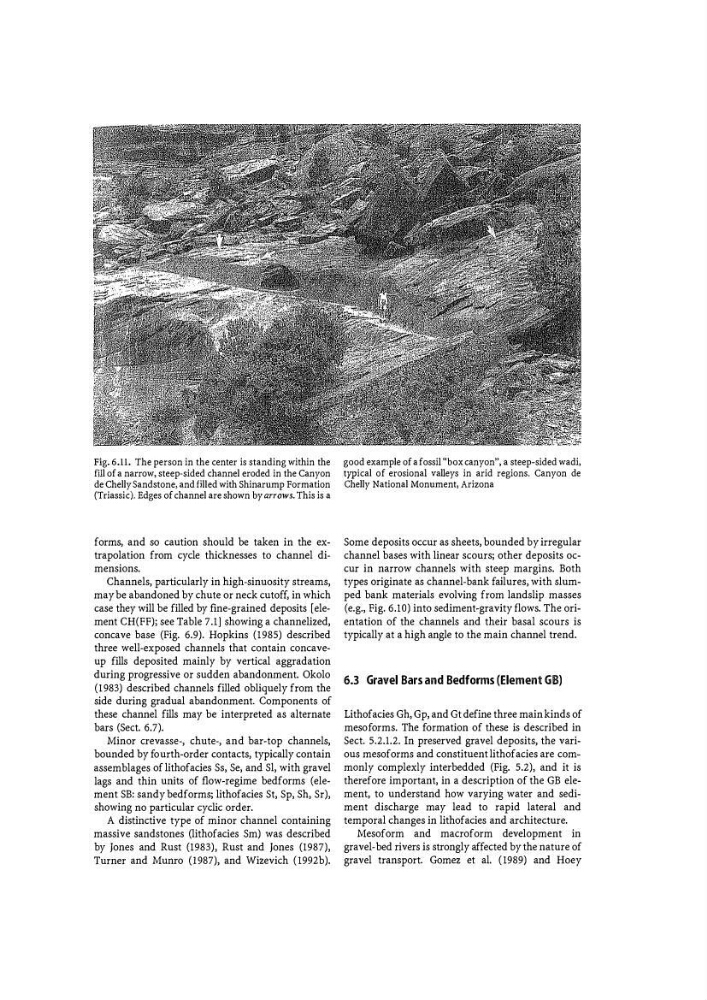
Fig. 6.11. The person in the center is standing within the
fill of a narrow, steep�sided channel eroded in the Canyon
de Chelly Sandstone, and fllled with Shinarump Formation
(Triassic). Edges of channel are shown by arrows. This is a
forms, and so caution should be taken in the extrapolation from cycle thicknesses to channel dimensions.
Channels, particularly in high-sinuosity streams,
may be abandoned by chute or neck cutoff, in which
case they will be filled by fi ne-grained deposits [ element CH(FF); see Table 7.!] showing a channelized,
concave base (Fig. 6.9). Hopkins (!985) described
three well-exposed channels that contain concaveup fills deposited mainly by vertical aggradation
during progressive or sudden abandonment. Okolo
(!983) described channels filled obliquely from the
side during gradual abandonment. Components of
these channel fills may be interpreted as alternate
bars (Sect. 6.7).
Minor crevasse-, chute-, and bar-top channels,
bounded by fo urth-order contacts, typically contain
assemblages of lithofacies Ss, Se, and Sl, with gravel
lags and thin units of fl ow-regime bedforms (element SB: sandy bedforms; lithofacies St, Sp, Sh, Sr),
showing no particular cyclic order.
A distinctive type of minor channel containing
massive sandstones (lithofacies Sm) was described
by )ones and Rust (!983), Rust and )ones (!987),
Turner and Munro (1987), and Wizevich (!992b).
good example of a fossil "box canyon", a steep-sided wadi,
typical of erosional valleys in arid regions. Canyon de
Chelly National Monument, Arizona
Some deposits occur as sheets, bounded by irregular
channel bases with linear scours; other deposits occur in narrow channels with steep margins. Both
types originate as channel-bank failures, with slumped bank materials evolving from landslip masses
(e.g., Fig. 6.!0) into sediment-gravity flows. The orientation of the channels and their basal scours is
typically at a high angle to the main channel trend.
6.3 Gravel Bars and Bedforms (Element Gil)
Lithofacies Gh, Gp, and Gt define three main kinds of
meso forms. The fo rmation of these is described in
Sect. 5.2.1.2. In preserved gravel deposits, the various mesoforms and constituent lithofacies are com�
manly complexly interbedded (Fig. 5.2), and it is
therefore important, in a description of the GB element, to understand how varying water and sediment discharge may lead to rapid lateral and
temporal changes in lithofacies and architecture.
Mesoform and macroform development in
gravel-bed rivers is strongly affected by the nature of
gravel transport. Gomez et al. ( !989) and Hoey
fill of a narrow, steep�sided channel eroded in the Canyon
de Chelly Sandstone, and fllled with Shinarump Formation
(Triassic). Edges of channel are shown by arrows. This is a
forms, and so caution should be taken in the extrapolation from cycle thicknesses to channel dimensions.
Channels, particularly in high-sinuosity streams,
may be abandoned by chute or neck cutoff, in which
case they will be filled by fi ne-grained deposits [ element CH(FF); see Table 7.!] showing a channelized,
concave base (Fig. 6.9). Hopkins (!985) described
three well-exposed channels that contain concaveup fills deposited mainly by vertical aggradation
during progressive or sudden abandonment. Okolo
(!983) described channels filled obliquely from the
side during gradual abandonment. Components of
these channel fills may be interpreted as alternate
bars (Sect. 6.7).
Minor crevasse-, chute-, and bar-top channels,
bounded by fo urth-order contacts, typically contain
assemblages of lithofacies Ss, Se, and Sl, with gravel
lags and thin units of fl ow-regime bedforms (element SB: sandy bedforms; lithofacies St, Sp, Sh, Sr),
showing no particular cyclic order.
A distinctive type of minor channel containing
massive sandstones (lithofacies Sm) was described
by )ones and Rust (!983), Rust and )ones (!987),
Turner and Munro (1987), and Wizevich (!992b).
good example of a fossil "box canyon", a steep-sided wadi,
typical of erosional valleys in arid regions. Canyon de
Chelly National Monument, Arizona
Some deposits occur as sheets, bounded by irregular
channel bases with linear scours; other deposits occur in narrow channels with steep margins. Both
types originate as channel-bank failures, with slumped bank materials evolving from landslip masses
(e.g., Fig. 6.!0) into sediment-gravity flows. The orientation of the channels and their basal scours is
typically at a high angle to the main channel trend.
6.3 Gravel Bars and Bedforms (Element Gil)
Lithofacies Gh, Gp, and Gt define three main kinds of
meso forms. The fo rmation of these is described in
Sect. 5.2.1.2. In preserved gravel deposits, the various mesoforms and constituent lithofacies are com�
manly complexly interbedded (Fig. 5.2), and it is
therefore important, in a description of the GB element, to understand how varying water and sediment discharge may lead to rapid lateral and
temporal changes in lithofacies and architecture.
Mesoform and macroform development in
gravel-bed rivers is strongly affected by the nature of
gravel transport. Gomez et al. ( !989) and Hoey