

116
High water sta.ge
Risen water stage
{a)
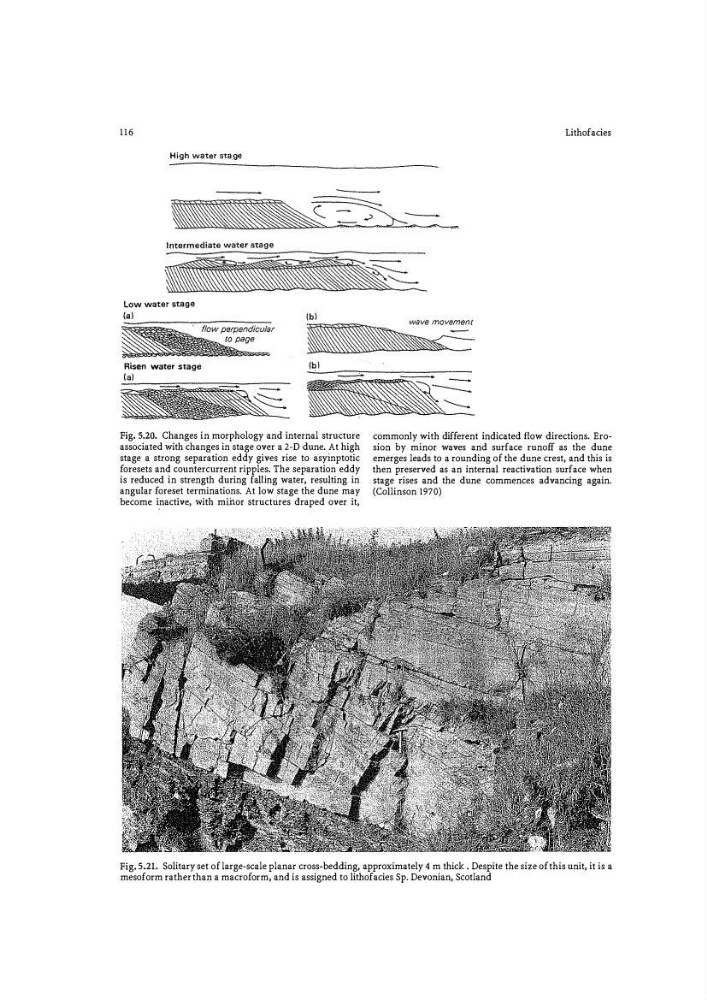
Fig. 5.20. Changes in morphology and internal structure
associated with changes in stage over a 2�0 dune. At high
stage a strong separation eddy gives rise to asyinptotic
fo resets and countercurrent ripples. The separation eddy
is reduced in strength during falling water, resulting in
angular fo reset terminations. At low stage the dune may
become inactive, with mfuor structures draped over it,
Lithofacies
-
commonly with different indicated flow directions. Erosion by minor waves and surface runoff as the dune
emerges leads to a rounding of the dune crest, and this is
then preserved as an internal reactivation surface when
stage rises and the dune commences advancing again.
(Collinson 1970)
Fig. 5.21. Solitary set of large-scale planar cross-bedding, approximately 4 m thick . Despite the size of this unit, it is a
mesoform rather than a macro form, and is assigned to lithofacies Sp. Devonian, Scotland
High water sta.ge
Risen water stage
{a)
Fig. 5.20. Changes in morphology and internal structure
associated with changes in stage over a 2�0 dune. At high
stage a strong separation eddy gives rise to asyinptotic
fo resets and countercurrent ripples. The separation eddy
is reduced in strength during falling water, resulting in
angular fo reset terminations. At low stage the dune may
become inactive, with mfuor structures draped over it,
Lithofacies
-
commonly with different indicated flow directions. Erosion by minor waves and surface runoff as the dune
emerges leads to a rounding of the dune crest, and this is
then preserved as an internal reactivation surface when
stage rises and the dune commences advancing again.
(Collinson 1970)
Fig. 5.21. Solitary set of large-scale planar cross-bedding, approximately 4 m thick . Despite the size of this unit, it is a
mesoform rather than a macro form, and is assigned to lithofacies Sp. Devonian, Scotland