

100
Lithofacies
CH AR A CT ER IST ICS OF FL U IO-SEQIMENT MIX
L AMI NAR
TUR BUL ENT
Oil(
H IGH ---LOW ---- -. . 10 %)
NON -NEWT ONIAN� BI NGH AM
NEWT ONIAN
�FL U IDAL
COH ES IVE
COHES !ON L ES S
VISCOUS ,H IGH YIEL D S TREN G TH 'Ill!(
.... . NON- VI S COUS , LOW YIEL D STRENG TH
FL OW TY P E
DE BR I S FL OWS�H Y P ER CONCENTR ATE O GR AIN FL OW S �FL U ID FL OWS
DOMI NANT
CL AS T- SU P P OR T
ME CH ANIS M
BU OY ANC Y
�
-
----J )IIo �
DI
S
S
T
P
R
ER
ES
S
S
IVE •011(>01- -- --)l lo� TUR BUL ENCE
YIEL D STR ENG TH "'<�!;"
LOS E S
'
t:
'!
00
t
� SH E Ers
+
u.
o CH AN NEL S
t;
!
g
i �
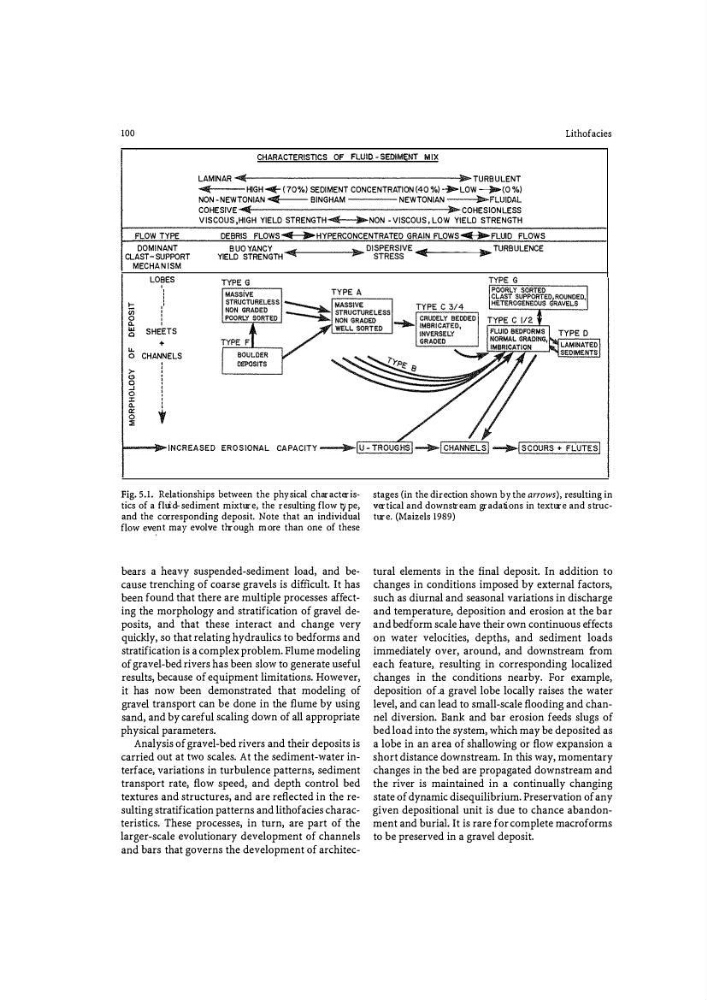
Fig. 5.1. Relationships between the ph ysical characteris�
tics of a fluid-sedimen t mixture, the resulting flow type,
and the corresponding deposit. Note that an individual
flow eve .
nt may evolve through more than one of these
bears a heavy suspended-sediment load, and because trenching of coarse gravels is difficult. It has
been found that there are multiple processes affecting the morphology and stratification of gravel deposits, and that these interact and change very
quickly, so that relating hydraulics to bedforms and
stratification is a complex problem. Flume modeling
of gravel-bed rivers has been slow to generate useful
results, because of equipment limitations. However,
it has now been demonstrated that modeling of
gravel transport can be done in the fl ume by using
sand, and by careful scaling down of all appropriate
physical parameters.
Analysis of gravel-bed rivers and their deposits is
carried out at two scales. At the sediment-water interface, variations in turbulence patterns, sediment
transport rate, flow speed, and depth control bed
textures and structures, and are reflected in the resulting stratification patterns and lithofacies characteristics. These processes, in turn, are part of the
larger-scale evolutionary development of channels
and bars that governs the development of architecstages (in the di rection shown by the arrows), resulting in
vertical and downstream gradations in texture and structure. (Maizels 1989)
tural elements in the final deposit. In addition to
changes in conditions imposed by external factors,
such as diurnal and seasonal variations in discharge
and temperature, deposition and erosion at the bar
and bedform scale have their own continuous effects
on water velocities, depths, and sediment loads
immediately over, around, and downstream from
each fe ature, resulting in corresponding localized
changes in the conditions nearby. For example,
deposition of a gravel lobe locally raises the water
level, and can lead to small-scale flooding and channel diversion. Bank and bar erosion feeds slugs of
bed load into the system, which may be deposited as
a lobe in an area of shallowing or flow expansion a
short distance downstream. In this way, momentary
changes in the bed are propagated downstream and
the river is maintained in a continually changing
state of dynamic disequilibrium. Preservation of any
given depositional unit is due to chance abandonment and buriaL It is rare for complete macroforms
to be preserved in a gravel deposit.
Lithofacies
CH AR A CT ER IST ICS OF FL U IO-SEQIMENT MIX
L AMI NAR
TUR BUL ENT
Oil(
H IGH --
NON -NEWT ONIAN� BI NGH AM
NEWT ONIAN
�FL U IDAL
COH ES IVE
COHES !ON L ES S
VISCOUS ,H IGH YIEL D S TREN G TH 'Ill!(
.... . NON- VI S COUS , LOW YIEL D STRENG TH
FL OW TY P E
DE BR I S FL OWS�H Y P ER CONCENTR ATE O GR AIN FL OW S �FL U ID FL OWS
DOMI NANT
CL AS T- SU P P OR T
ME CH ANIS M
BU OY ANC Y
�
-
----J )IIo �
DI
S
S
T
P
R
ER
ES
S
S
IVE •011(>01- -- --)l lo� TUR BUL ENCE
YIEL D STR ENG TH "'<�!;"
LOS E S
'
t:
'!
00
t
� SH E Ers
+
u.
o CH AN NEL S
t;
!
g
i �
Fig. 5.1. Relationships between the ph ysical characteris�
tics of a fluid-sedimen t mixture, the resulting flow type,
and the corresponding deposit. Note that an individual
flow eve .
nt may evolve through more than one of these
bears a heavy suspended-sediment load, and because trenching of coarse gravels is difficult. It has
been found that there are multiple processes affecting the morphology and stratification of gravel deposits, and that these interact and change very
quickly, so that relating hydraulics to bedforms and
stratification is a complex problem. Flume modeling
of gravel-bed rivers has been slow to generate useful
results, because of equipment limitations. However,
it has now been demonstrated that modeling of
gravel transport can be done in the fl ume by using
sand, and by careful scaling down of all appropriate
physical parameters.
Analysis of gravel-bed rivers and their deposits is
carried out at two scales. At the sediment-water interface, variations in turbulence patterns, sediment
transport rate, flow speed, and depth control bed
textures and structures, and are reflected in the resulting stratification patterns and lithofacies characteristics. These processes, in turn, are part of the
larger-scale evolutionary development of channels
and bars that governs the development of architecstages (in the di rection shown by the arrows), resulting in
vertical and downstream gradations in texture and structure. (Maizels 1989)
tural elements in the final deposit. In addition to
changes in conditions imposed by external factors,
such as diurnal and seasonal variations in discharge
and temperature, deposition and erosion at the bar
and bedform scale have their own continuous effects
on water velocities, depths, and sediment loads
immediately over, around, and downstream from
each fe ature, resulting in corresponding localized
changes in the conditions nearby. For example,
deposition of a gravel lobe locally raises the water
level, and can lead to small-scale flooding and channel diversion. Bank and bar erosion feeds slugs of
bed load into the system, which may be deposited as
a lobe in an area of shallowing or flow expansion a
short distance downstream. In this way, momentary
changes in the bed are propagated downstream and
the river is maintained in a continually changing
state of dynamic disequilibrium. Preservation of any
given depositional unit is due to chance abandonment and buriaL It is rare for complete macroforms
to be preserved in a gravel deposit.