

More about Discovery Process Models
81
data set was divided into three time windows that were evaluated
by LDSCV to compare the following estimates: (1) number of pools,
(2) expected resource, (3) play resource distribution, and (4) sizes of
the largest undiscovered pools. This approach allows us to examine
the growth behavior of pool in-place booked reserves, as well as the
appreciation and depreciation effects on petroleum resource evaluation results.
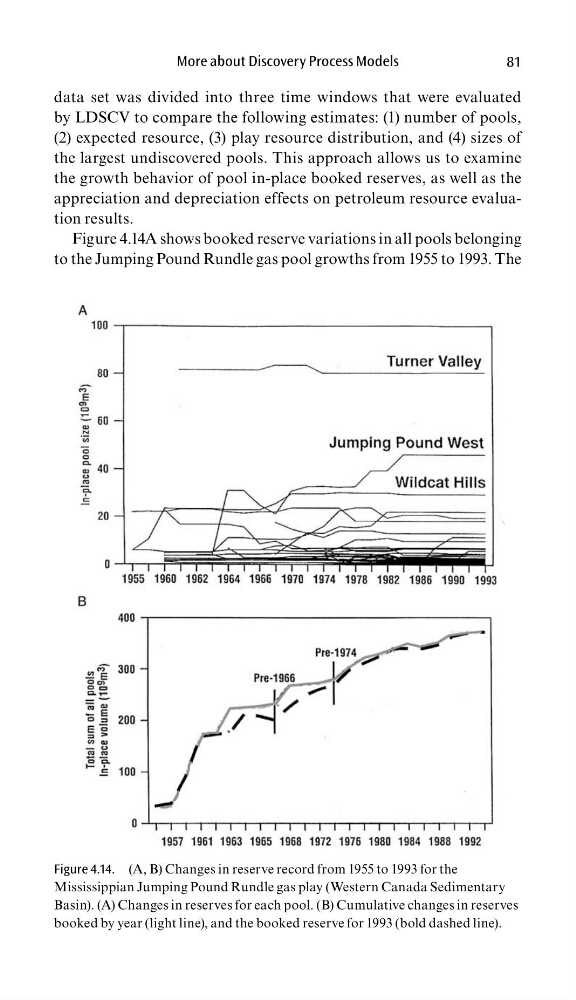
Figure 4.14A shows booked reserve variations in all pools belonging
to the Jumping Pound Rundle gas pool growths from 1955 to 1993. The
Figure 4.14. (A, B) Changes in reserve record from 1955 to 1993 for the
Mississippian Jumping Pound Rundle gas play (Western Canada Sedimentary
Basin). (A) Changes in reserves for each pool. (B) Cumulative changes in reserves
booked by year (light line), and the booked reserve for 1993 (bold dashed line).
81
data set was divided into three time windows that were evaluated
by LDSCV to compare the following estimates: (1) number of pools,
(2) expected resource, (3) play resource distribution, and (4) sizes of
the largest undiscovered pools. This approach allows us to examine
the growth behavior of pool in-place booked reserves, as well as the
appreciation and depreciation effects on petroleum resource evaluation results.
Figure 4.14A shows booked reserve variations in all pools belonging
to the Jumping Pound Rundle gas pool growths from 1955 to 1993. The
Figure 4.14. (A, B) Changes in reserve record from 1955 to 1993 for the
Mississippian Jumping Pound Rundle gas play (Western Canada Sedimentary
Basin). (A) Changes in reserves for each pool. (B) Cumulative changes in reserves
booked by year (light line), and the booked reserve for 1993 (bold dashed line).