

6.3 Optimization Experiments
187
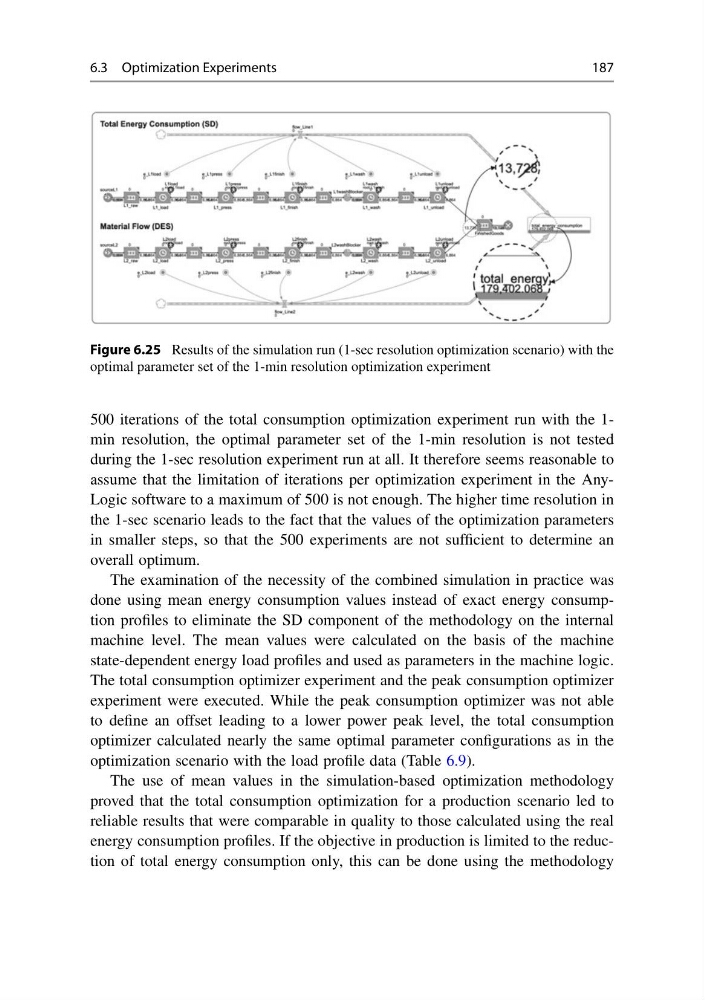
Figure 6.25 Results of the simulation run (1-sec resolution optimization scenario) with the
optimal parameter set of the 1-min resolution optimization experiment
500 iterations of the total consumption optimization experiment run with the 1min resolution, the optimal parameter set of the 1-min resolution is not tested
during the 1-sec resolution experiment run at all. It therefore seems reasonable to
assume that the limitation of iterations per optimization experiment in the AnyLogic software to a maximum of 500 is not enough. The higher time resolution in
the 1-sec scenario leads to the fact that the values of the optimization parameters
in smaller steps, so that the 500 experiments are not sufficient to determine an
overall optimum.
The examination of the necessity of the combined simulation in practice was
done using mean energy consumption values instead of exact energy consumption profiles to eliminate the SD component of the methodology on the internal
machine level. The mean values were calculated on the basis of the machine
state-dependent energy load profiles and used as parameters in the machine logic.
The total consumption optimizer experiment and the peak consumption optimizer
experiment were executed. While the peak consumption optimizer was not able
to define an offset leading to a lower power peak level, the total consumption
optimizer calculated nearly the same optimal parameter configurations as in the
optimization scenario with the load profile data (Table 6.9).
The use of mean values in the simulation-based optimization methodology
proved that the total consumption optimization for a production scenario led to
reliable results that were comparable in quality to those calculated using the real
energy consumption profiles. If the objective in production is limited to the reduction of total energy consumption only, this can be done using the methodology
187
Figure 6.25 Results of the simulation run (1-sec resolution optimization scenario) with the
optimal parameter set of the 1-min resolution optimization experiment
500 iterations of the total consumption optimization experiment run with the 1min resolution, the optimal parameter set of the 1-min resolution is not tested
during the 1-sec resolution experiment run at all. It therefore seems reasonable to
assume that the limitation of iterations per optimization experiment in the AnyLogic software to a maximum of 500 is not enough. The higher time resolution in
the 1-sec scenario leads to the fact that the values of the optimization parameters
in smaller steps, so that the 500 experiments are not sufficient to determine an
overall optimum.
The examination of the necessity of the combined simulation in practice was
done using mean energy consumption values instead of exact energy consumption profiles to eliminate the SD component of the methodology on the internal
machine level. The mean values were calculated on the basis of the machine
state-dependent energy load profiles and used as parameters in the machine logic.
The total consumption optimizer experiment and the peak consumption optimizer
experiment were executed. While the peak consumption optimizer was not able
to define an offset leading to a lower power peak level, the total consumption
optimizer calculated nearly the same optimal parameter configurations as in the
optimization scenario with the load profile data (Table 6.9).
The use of mean values in the simulation-based optimization methodology
proved that the total consumption optimization for a production scenario led to
reliable results that were comparable in quality to those calculated using the real
energy consumption profiles. If the objective in production is limited to the reduction of total energy consumption only, this can be done using the methodology