

6.1 Presentation of the Practical Area of Application
157
not connected to the enterprise resource planning (ERP) system. In the context of
this work, the linkage between Bosch energy data and production data has been
made, to use the energy data for energy efficiency optimizations of non-valueadding production times of machines and the prevention of energy peaks during
production.
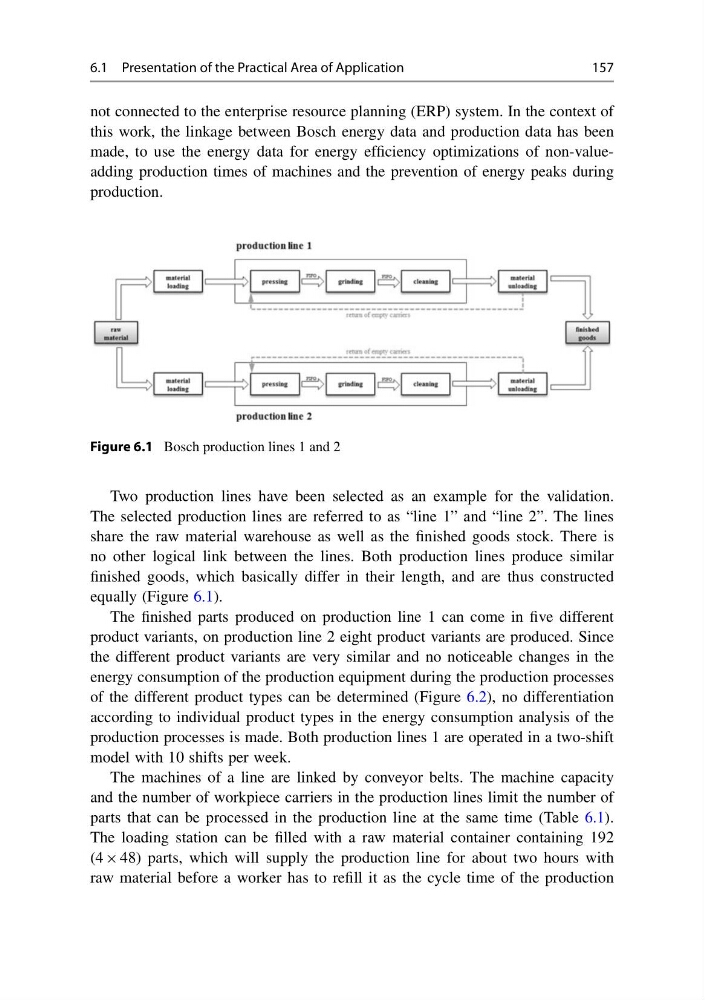
Figure 6.1 Bosch production lines 1 and 2
Two production lines have been selected as an example for the validation.
The selected production lines are referred to as “line 1” and “line 2”. The lines
share the raw material warehouse as well as the finished goods stock. There is
no other logical link between the lines. Both production lines produce similar
finished goods, which basically differ in their length, and are thus constructed
equally (Figure 6.1).
The finished parts produced on production line 1 can come in five different
product variants, on production line 2 eight product variants are produced. Since
the different product variants are very similar and no noticeable changes in the
energy consumption of the production equipment during the production processes
of the different product types can be determined (Figure 6.2), no differentiation
according to individual product types in the energy consumption analysis of the
production processes is made. Both production lines 1 are operated in a two-shift
model with 10 shifts per week.
The machines of a line are linked by conveyor belts. The machine capacity
and the number of workpiece carriers in the production lines limit the number of
parts that can be processed in the production line at the same time (Table 6.1).
The loading station can be filled with a raw material container containing 192
(4 × 48) parts, which will supply the production line for about two hours with
raw material before a worker has to refill it as the cycle time of the production
157
not connected to the enterprise resource planning (ERP) system. In the context of
this work, the linkage between Bosch energy data and production data has been
made, to use the energy data for energy efficiency optimizations of non-valueadding production times of machines and the prevention of energy peaks during
production.
Figure 6.1 Bosch production lines 1 and 2
Two production lines have been selected as an example for the validation.
The selected production lines are referred to as “line 1” and “line 2”. The lines
share the raw material warehouse as well as the finished goods stock. There is
no other logical link between the lines. Both production lines produce similar
finished goods, which basically differ in their length, and are thus constructed
equally (Figure 6.1).
The finished parts produced on production line 1 can come in five different
product variants, on production line 2 eight product variants are produced. Since
the different product variants are very similar and no noticeable changes in the
energy consumption of the production equipment during the production processes
of the different product types can be determined (Figure 6.2), no differentiation
according to individual product types in the energy consumption analysis of the
production processes is made. Both production lines 1 are operated in a two-shift
model with 10 shifts per week.
The machines of a line are linked by conveyor belts. The machine capacity
and the number of workpiece carriers in the production lines limit the number of
parts that can be processed in the production line at the same time (Table 6.1).
The loading station can be filled with a raw material container containing 192
(4 × 48) parts, which will supply the production line for about two hours with
raw material before a worker has to refill it as the cycle time of the production