

3.4 Analysis
197
0
2
3
0
257
238
389
2
0
50
100
150
200
250
300
350
400
450
Grand Theory
Middle Range Theory
Programme Theory
Mathmatically orientated
Grand Theory
Middle Range Theory
Programme Theory
Mathmatically orientated
Critical theory
Problem-solving theory
Critical and Problem Solving Theories
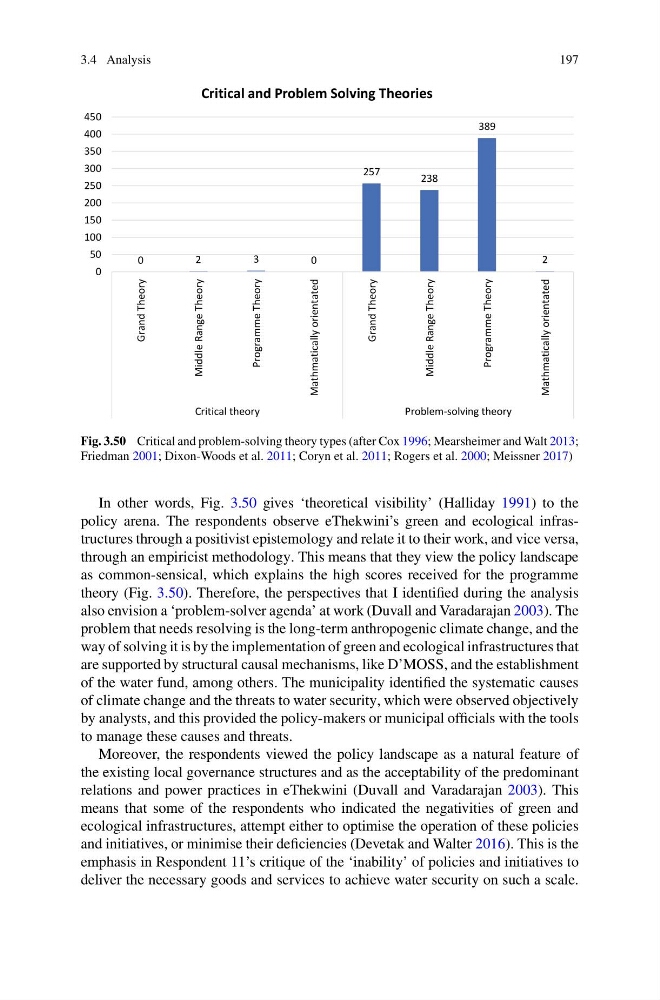
Fig. 3.50 Critical and problem-solving theory types (after Cox 1996; Mearsheimer and Walt 2013;
Friedman 2001; Dixon-Woods et al. 2011; Coryn et al. 2011; Rogers et al. 2000; Meissner 2017)
In other words, Fig. 3.50 gives ‘theoretical visibility’ (Halliday 1991) to the
policy arena. The respondents observe eThekwini’s green and ecological infrastructures through a positivist epistemology and relate it to their work, and vice versa,
through an empiricist methodology. This means that they view the policy landscape
as common-sensical, which explains the high scores received for the programme
theory (Fig. 3.50). Therefore, the perspectives that I identified during the analysis
also envision a ‘problem-solver agenda’ at work (Duvall and Varadarajan 2003). The
problem that needs resolving is the long-term anthropogenic climate change, and the
way of solving it is by the implementation of green and ecological infrastructures that
are supported by structural causal mechanisms, like D’MOSS, and the establishment
of the water fund, among others. The municipality identified the systematic causes
of climate change and the threats to water security, which were observed objectively
by analysts, and this provided the policy-makers or municipal officials with the tools
to manage these causes and threats.
Moreover, the respondents viewed the policy landscape as a natural feature of
the existing local governance structures and as the acceptability of the predominant
relations and power practices in eThekwini (Duvall and Varadarajan 2003). This
means that some of the respondents who indicated the negativities of green and
ecological infrastructures, attempt either to optimise the operation of these policies
and initiatives, or minimise their deficiencies (Devetak and Walter 2016). This is the
emphasis in Respondent 11’s critique of the ‘inability’ of policies and initiatives to
deliver the necessary goods and services to achieve water security on such a scale.
197
0
2
3
0
257
238
389
2
0
50
100
150
200
250
300
350
400
450
Grand Theory
Middle Range Theory
Programme Theory
Mathmatically orientated
Grand Theory
Middle Range Theory
Programme Theory
Mathmatically orientated
Critical theory
Problem-solving theory
Critical and Problem Solving Theories
Fig. 3.50 Critical and problem-solving theory types (after Cox 1996; Mearsheimer and Walt 2013;
Friedman 2001; Dixon-Woods et al. 2011; Coryn et al. 2011; Rogers et al. 2000; Meissner 2017)
In other words, Fig. 3.50 gives ‘theoretical visibility’ (Halliday 1991) to the
policy arena. The respondents observe eThekwini’s green and ecological infrastructures through a positivist epistemology and relate it to their work, and vice versa,
through an empiricist methodology. This means that they view the policy landscape
as common-sensical, which explains the high scores received for the programme
theory (Fig. 3.50). Therefore, the perspectives that I identified during the analysis
also envision a ‘problem-solver agenda’ at work (Duvall and Varadarajan 2003). The
problem that needs resolving is the long-term anthropogenic climate change, and the
way of solving it is by the implementation of green and ecological infrastructures that
are supported by structural causal mechanisms, like D’MOSS, and the establishment
of the water fund, among others. The municipality identified the systematic causes
of climate change and the threats to water security, which were observed objectively
by analysts, and this provided the policy-makers or municipal officials with the tools
to manage these causes and threats.
Moreover, the respondents viewed the policy landscape as a natural feature of
the existing local governance structures and as the acceptability of the predominant
relations and power practices in eThekwini (Duvall and Varadarajan 2003). This
means that some of the respondents who indicated the negativities of green and
ecological infrastructures, attempt either to optimise the operation of these policies
and initiatives, or minimise their deficiencies (Devetak and Walter 2016). This is the
emphasis in Respondent 11’s critique of the ‘inability’ of policies and initiatives to
deliver the necessary goods and services to achieve water security on such a scale.