

3.4 Analysis
179
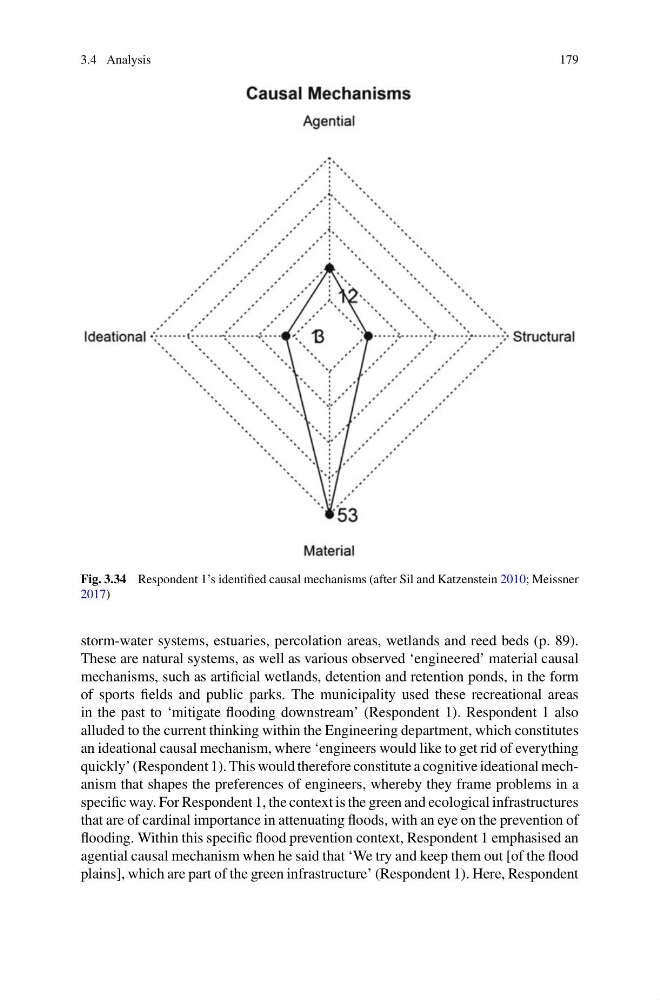
Fig. 3.34 Respondent 1’s identified causal mechanisms (after Sil and Katzenstein 2010; Meissner
2017)
storm-water systems, estuaries, percolation areas, wetlands and reed beds (p. 89).
These are natural systems, as well as various observed ‘engineered’ material causal
mechanisms, such as artificial wetlands, detention and retention ponds, in the form
of sports fields and public parks. The municipality used these recreational areas
in the past to ‘mitigate flooding downstream’ (Respondent 1). Respondent 1 also
alluded to the current thinking within the Engineering department, which constitutes
an ideational causal mechanism, where ‘engineers would like to get rid of everything
quickly’ (Respondent 1). This would therefore constitute a cognitive ideational mechanism that shapes the preferences of engineers, whereby they frame problems in a
specific way. For Respondent 1, the context is the green and ecological infrastructures
that are of cardinal importance in attenuating floods, with an eye on the prevention of
flooding. Within this specific flood prevention context, Respondent 1 emphasised an
agential causal mechanism when he said that ‘We try and keep them out [of the flood
plains], which are part of the green infrastructure’ (Respondent 1). Here, Respondent
179
Fig. 3.34 Respondent 1’s identified causal mechanisms (after Sil and Katzenstein 2010; Meissner
2017)
storm-water systems, estuaries, percolation areas, wetlands and reed beds (p. 89).
These are natural systems, as well as various observed ‘engineered’ material causal
mechanisms, such as artificial wetlands, detention and retention ponds, in the form
of sports fields and public parks. The municipality used these recreational areas
in the past to ‘mitigate flooding downstream’ (Respondent 1). Respondent 1 also
alluded to the current thinking within the Engineering department, which constitutes
an ideational causal mechanism, where ‘engineers would like to get rid of everything
quickly’ (Respondent 1). This would therefore constitute a cognitive ideational mechanism that shapes the preferences of engineers, whereby they frame problems in a
specific way. For Respondent 1, the context is the green and ecological infrastructures
that are of cardinal importance in attenuating floods, with an eye on the prevention of
flooding. Within this specific flood prevention context, Respondent 1 emphasised an
agential causal mechanism when he said that ‘We try and keep them out [of the flood
plains], which are part of the green infrastructure’ (Respondent 1). Here, Respondent